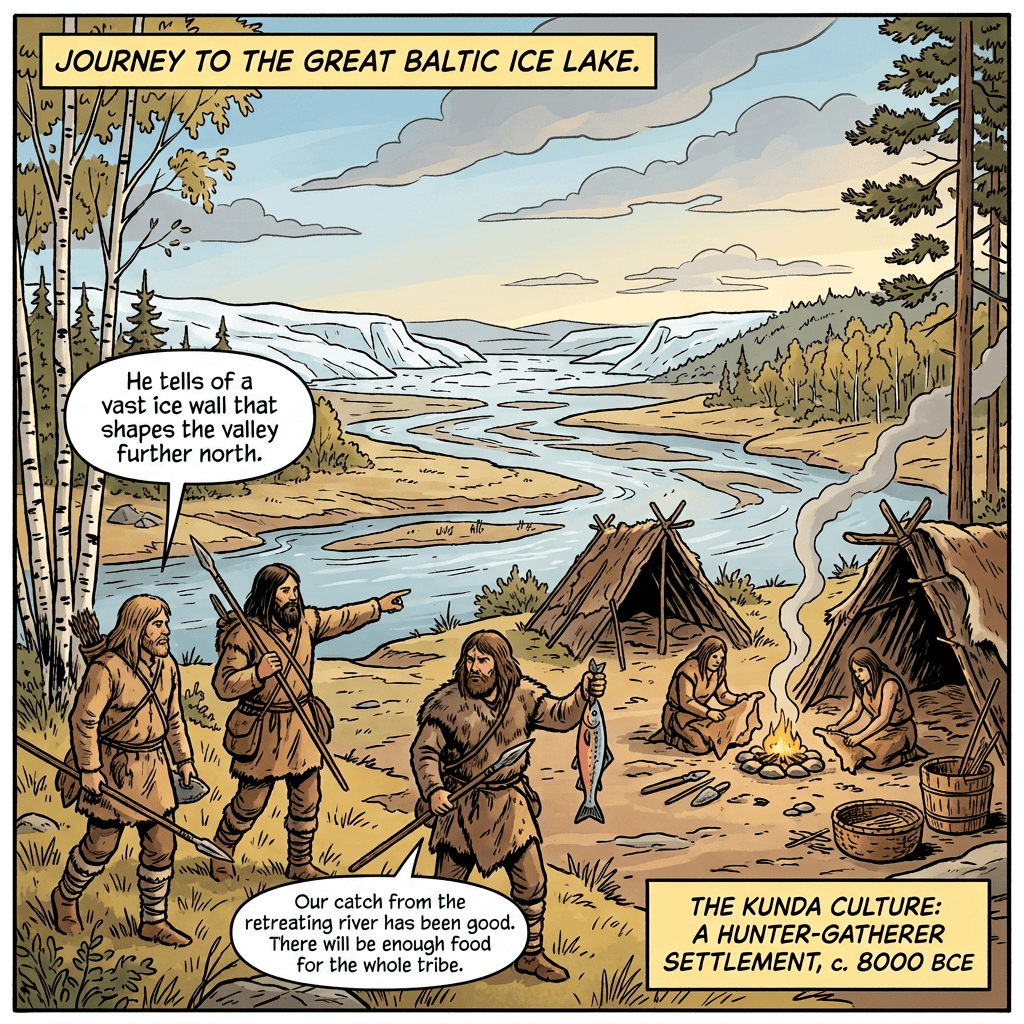
The Ice Age in modern Latvia ended 14,000 to 12,000 years ago. 11,000 to 12,000 people come here. They hunt deer and live in the rivers of the Baltic Sea. According to the map of the Baltic Sea, the sea is land. Discover the 12th stone age in Schlaspiel.
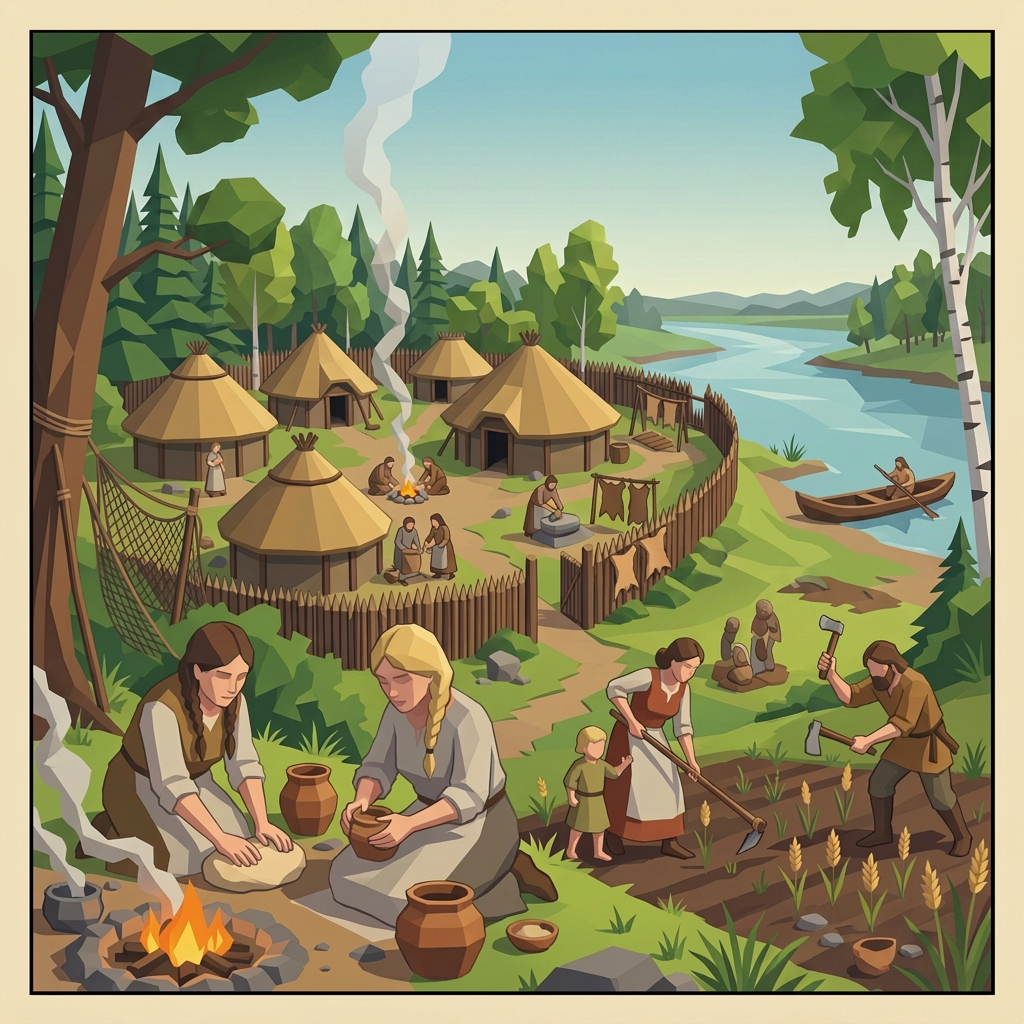
Stone Age (9000-5400 BC) hunter-gatherer population. Hunting grounds and houses were built in the Lyon area. 25 fruits, seeds, bones and wood were found at the feeding site.Modern pottery (5400-4100 BC) marks the beginning of agriculture.
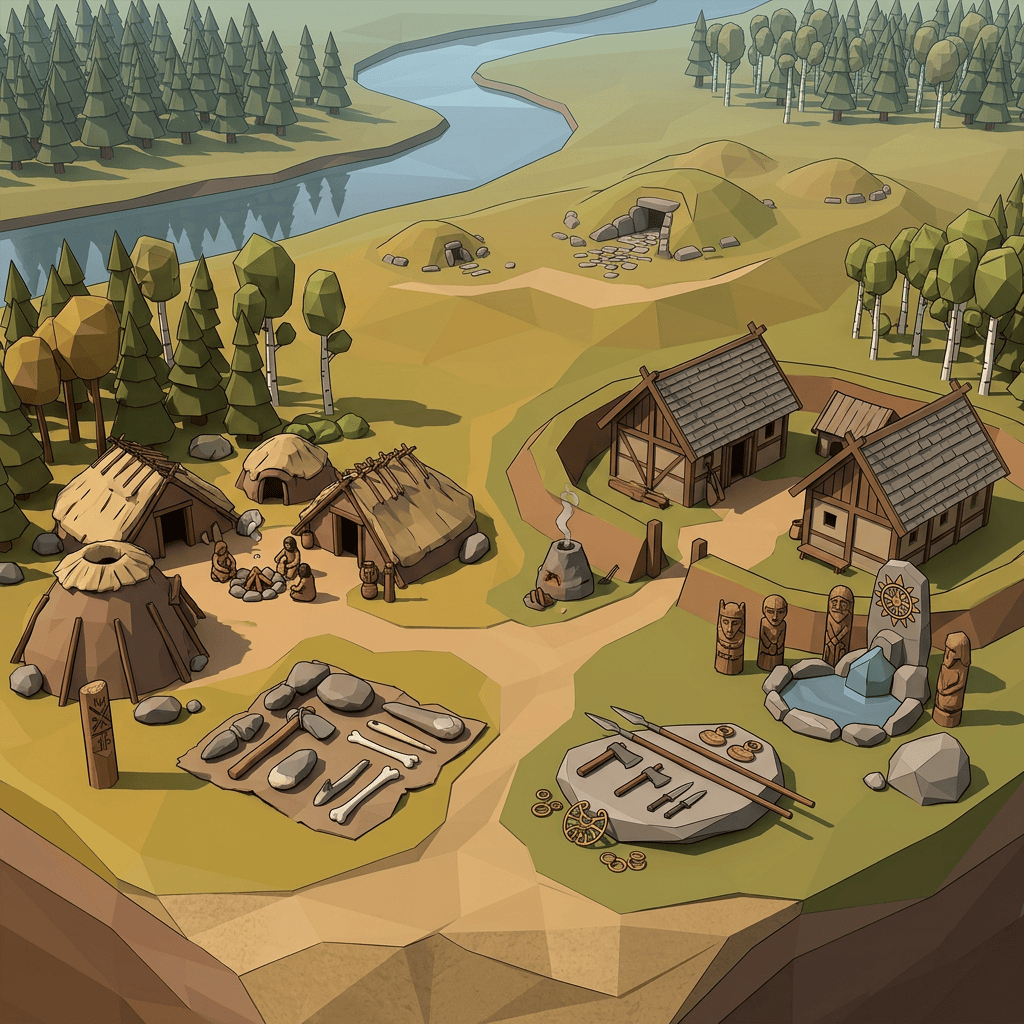
The Norpa culture arose in the region during the Stone Age (4100-2900 BC). He lives in Finland. Family and Norwegian political culture in Estonia and Finland. Paleolithic (2900-1800 BC) Latvian ancestors lived in many places in Latvia from the 3rd century. Early Iron Age (400-800 BC) Europeans, Blacks, Latvians, Finns, Pedagogues, Estonians and Benders soon became missionaries.
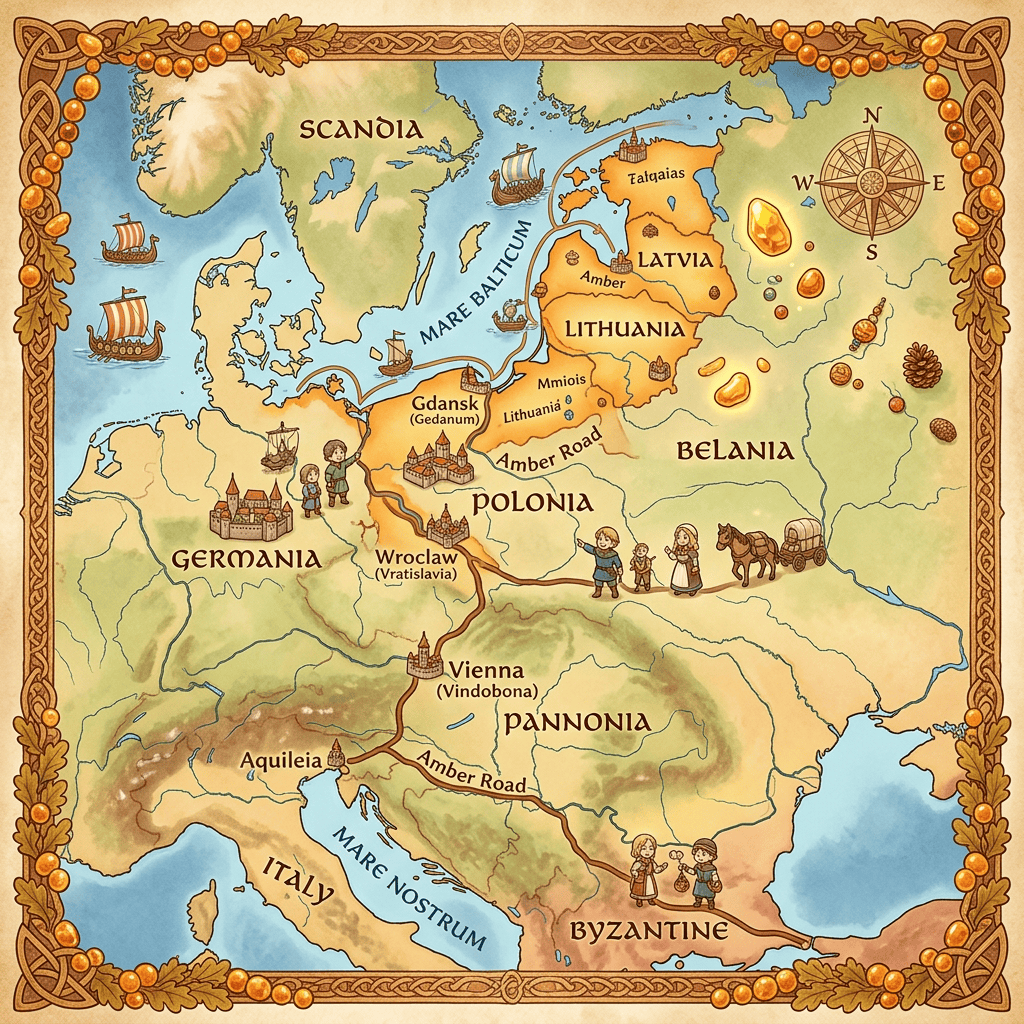
Today, the country known as Latvia is famous for its wealth. Famous trade routes ran from Varga through Greece to Tagavia, Latvia, Old Russian Byzantium, Kiev and Scandinavia. Political changes in Latvia 750-800 Dusenko, a famous poet and businessman, begins to spread Western and Scandinavian ideas in Latvia. He helped transform the country into today’s Latvia. This is an age-old problem. The Latvian coast is known throughout Europe for its gold deposits. And now known as Latvian amber (red), between the 5th and 15th centuries it was more valuable than gold in Greece and the ancient Roman Empire. And the Amber Railway carried electricity across southern Europe.
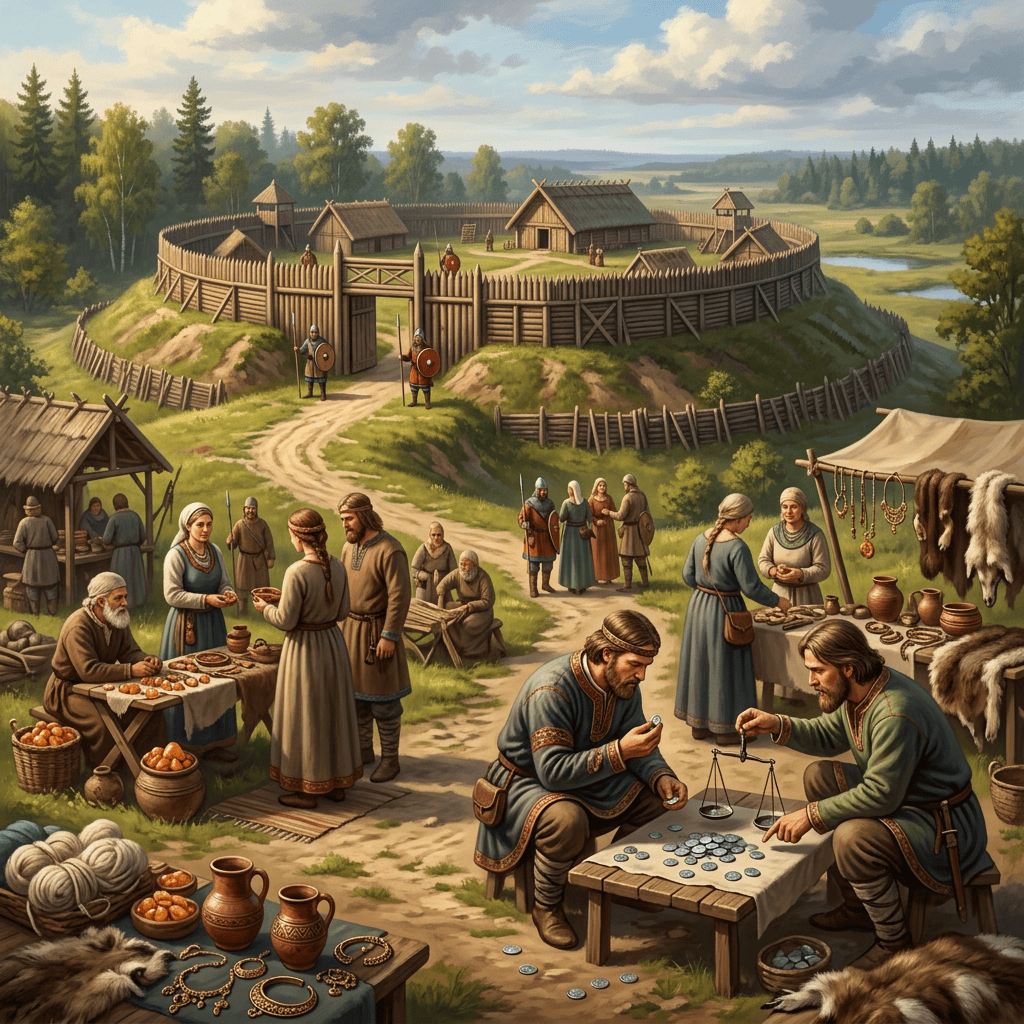
During the Vandal period, the Kingdom of Gotland was established in Scandinavia around Garbin. 650-850 BC Many stories are told of his escape from the Swedish kingdom. By the end of the Iron Age (AD 800-1200), all three groups developed storage facilities and helped improve the quality of local culture by improving flower technology and production methods. Arab and Anglo-Saxon coins are found today in Western Europe. They built a network of walls to control and protect their territory.
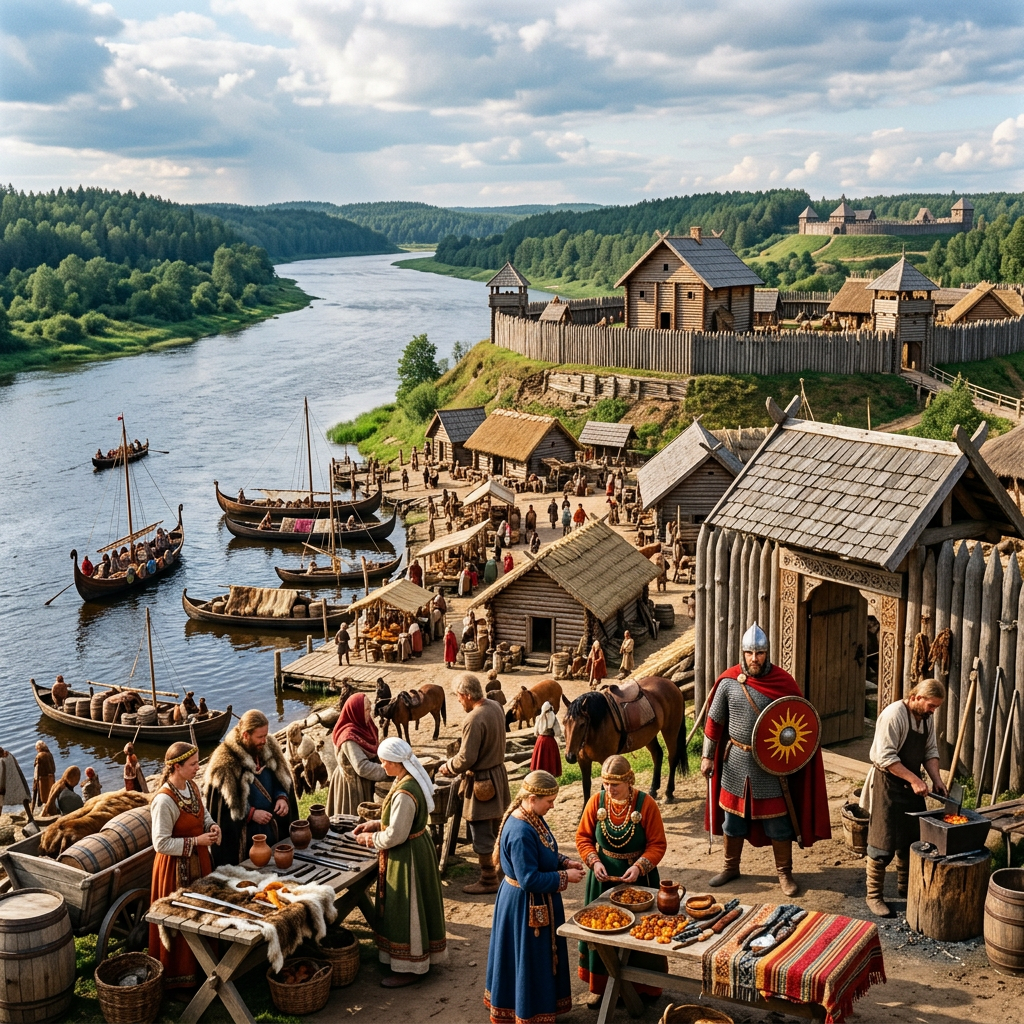
In the 11th century, on the northern border of Latvia and Lithuania, many ancient kingdoms and economies were formed today: Latvia, Latvia, Chile, and Azalea (Latin-Libya).
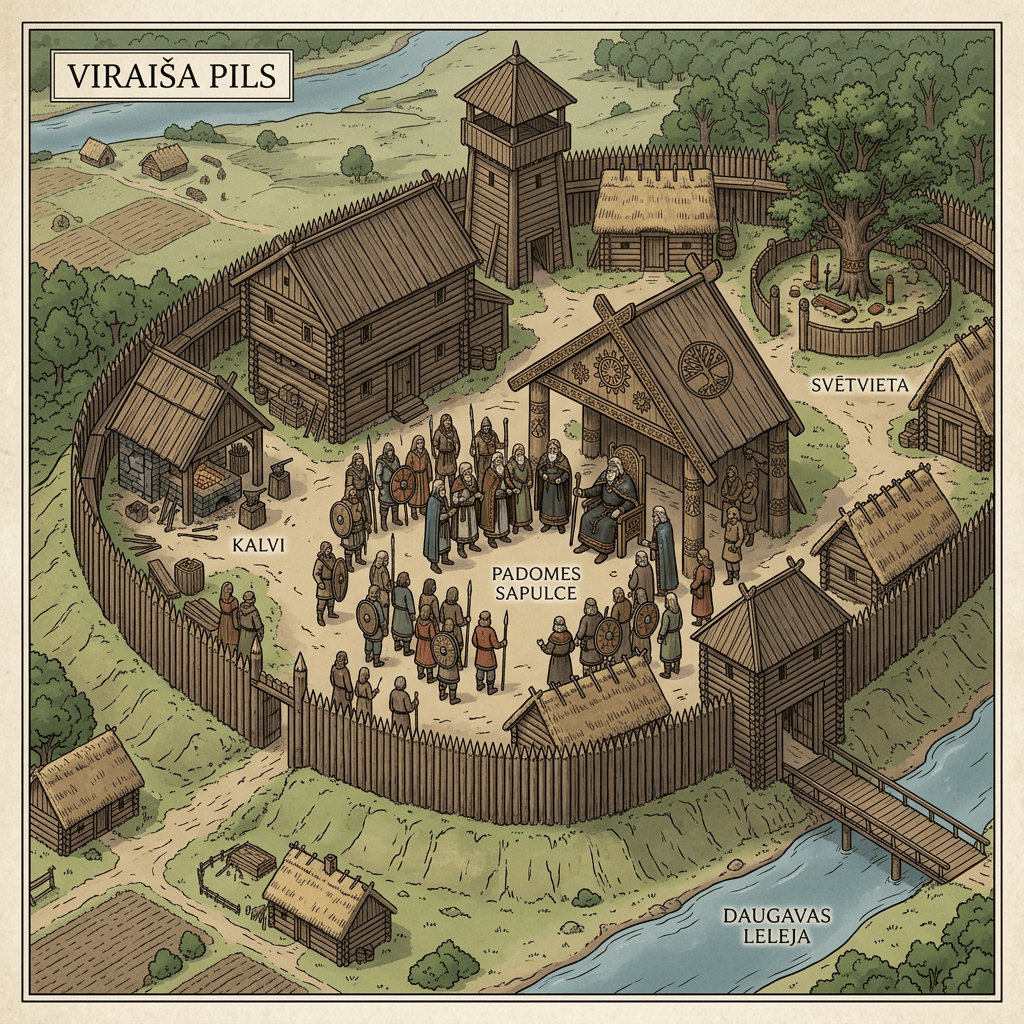
Most of them are from Lathgum, where my grandfather was a politician. The Lucia dynasty, belonging to the Rashgir-Politsky sect of the Greek Orthodox Church, ruled the first lowland kingdom, Rashgir. Visvardes Horik (King of Herzegovina) is the last king mentioned in Hinriks Annall (1200-early 1300). When the kingdom was divided in 1211, part of the kingdom was called “Leitia” (after Queen Letitia), possibly the first written language.
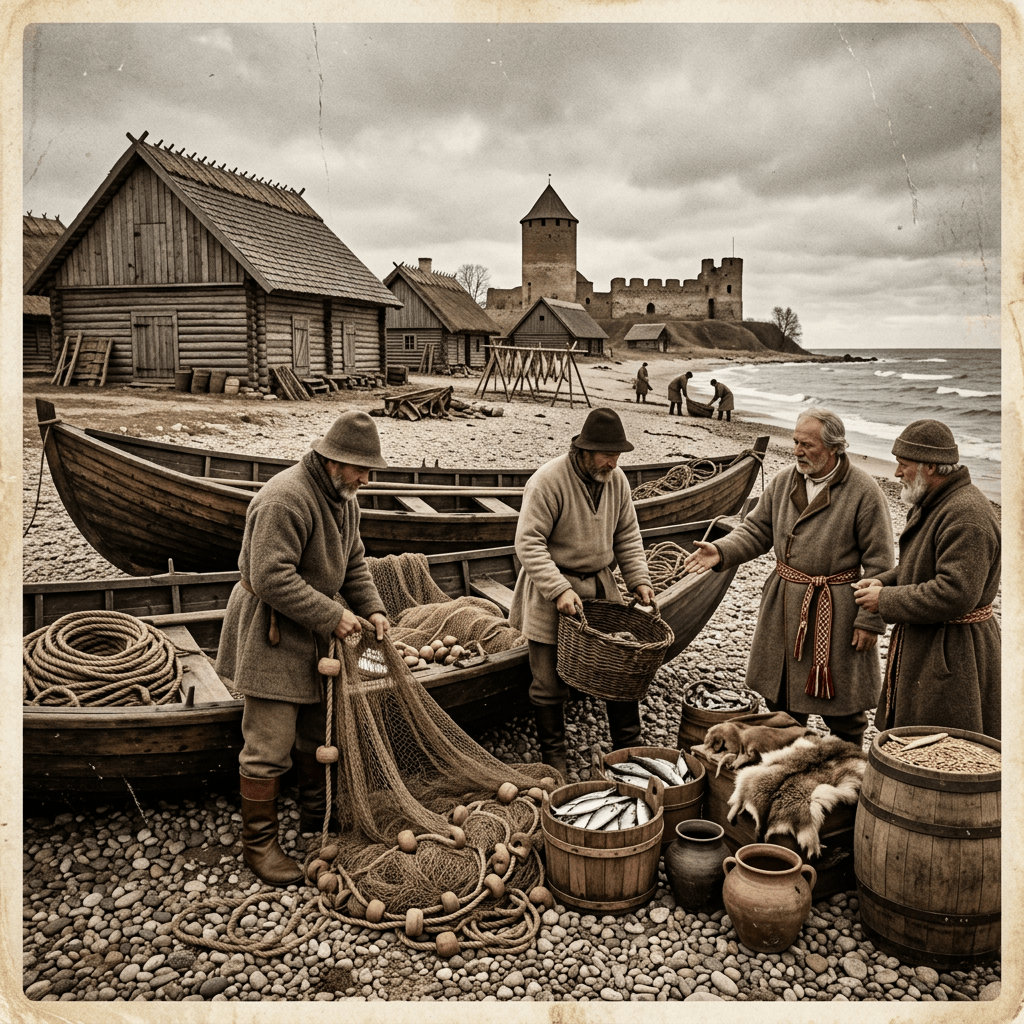
However, some countries, such as Lithuania and the Kura River, practice hunting and fishing in the sea. The region west of the Baltic Sea is called “Baltic Scandinavia.” The servants and workers of Simakli, Oksin and Jermak supported the kulaks against the Germans. Leo’s family lived on the shores of Regency Bay, fishing and trading. The German name for this place is Loveland.
Before the German occupation at the end of the 19th century, 135,000 Balts and approximately 20,000 Libyans settled in Latvia in the last twelve years.
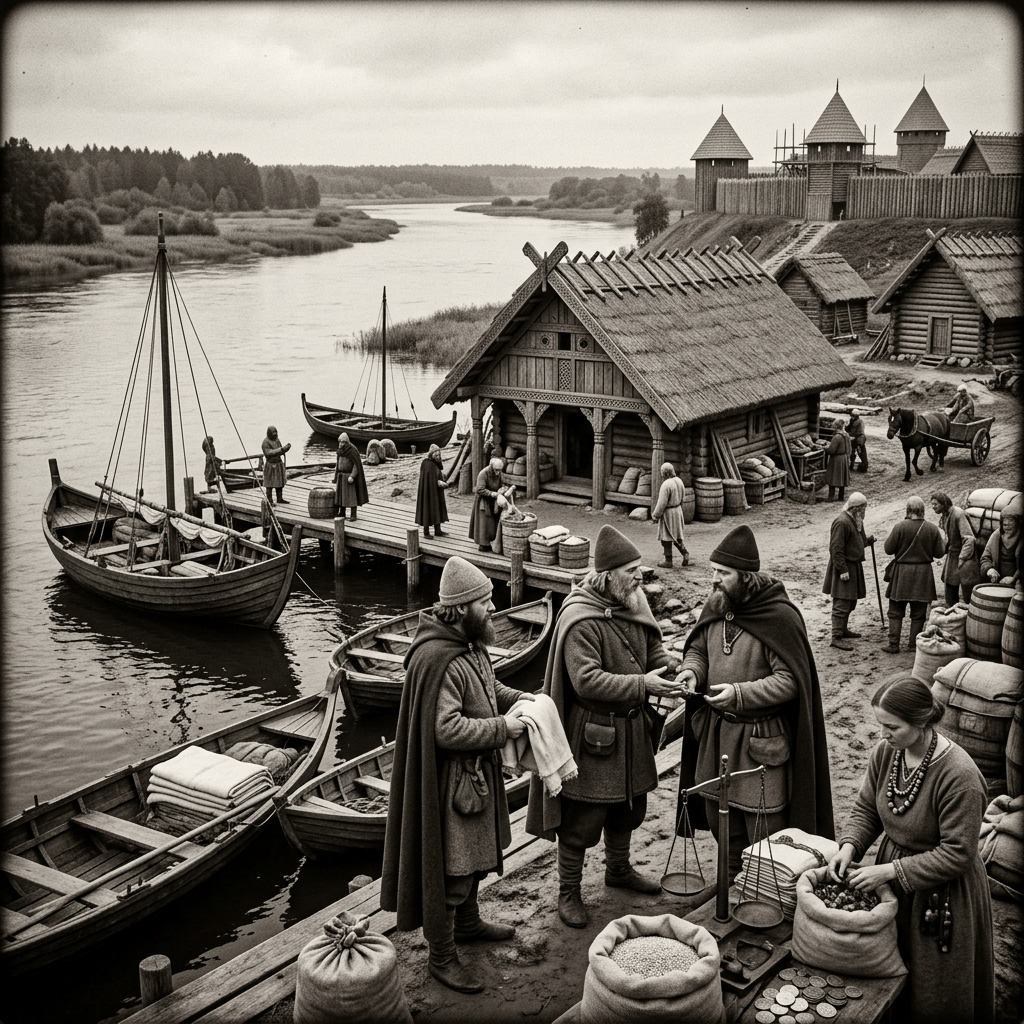
In the 12th century, European traders came to trade on the river Kava, Latvia’s largest river. Among the Actinids were German traders and missionaries who wanted to explore the Baltic Sea and Phoenicia.
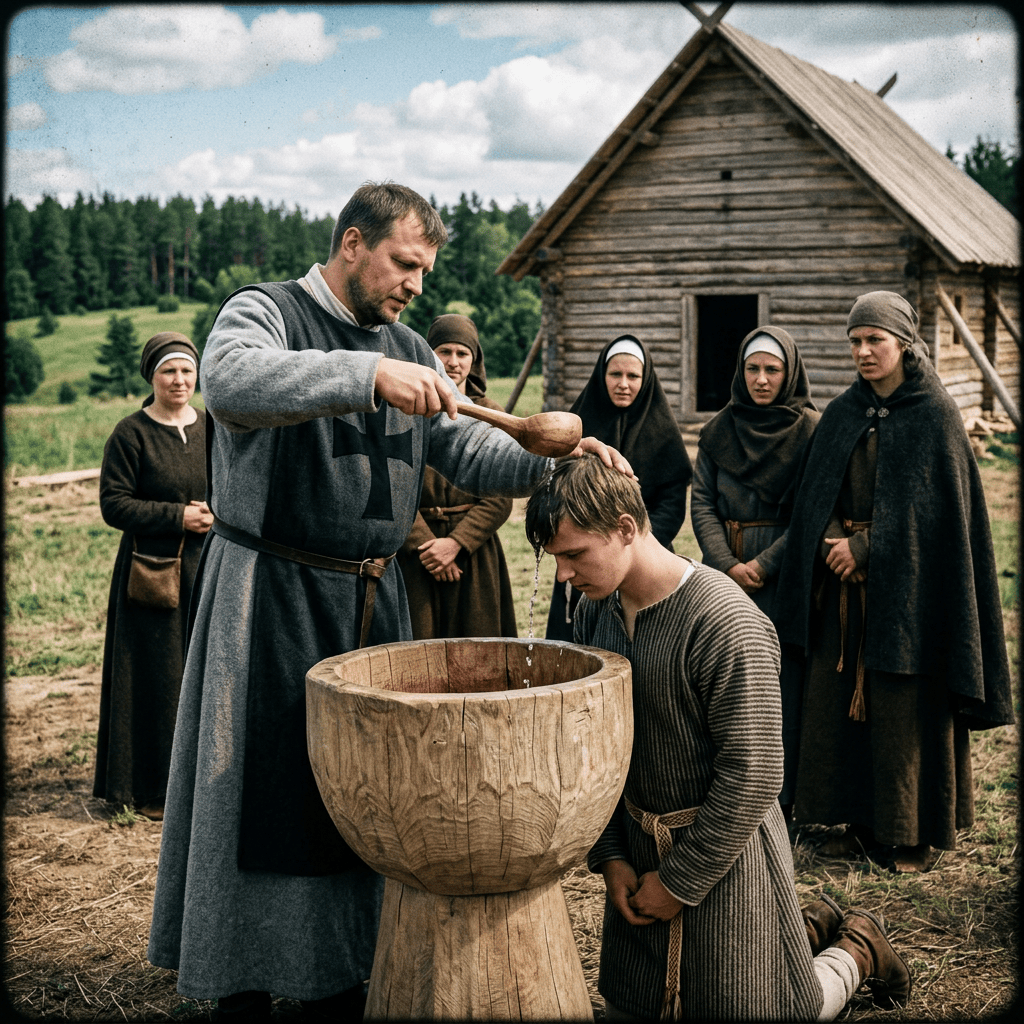
In the early 1980s, St. Consider Menard Livonia. They do not want to deal with new beliefs and behaviour. In fact, the history of baptism begins with Pope Paul III. Back to Celestine. In 1195, Rome decided to start the War of the Lions and strengthen the pagans. He is a secretary. Berthold was killed by a nobleman in 1198 in Hanover near today’s Riga.
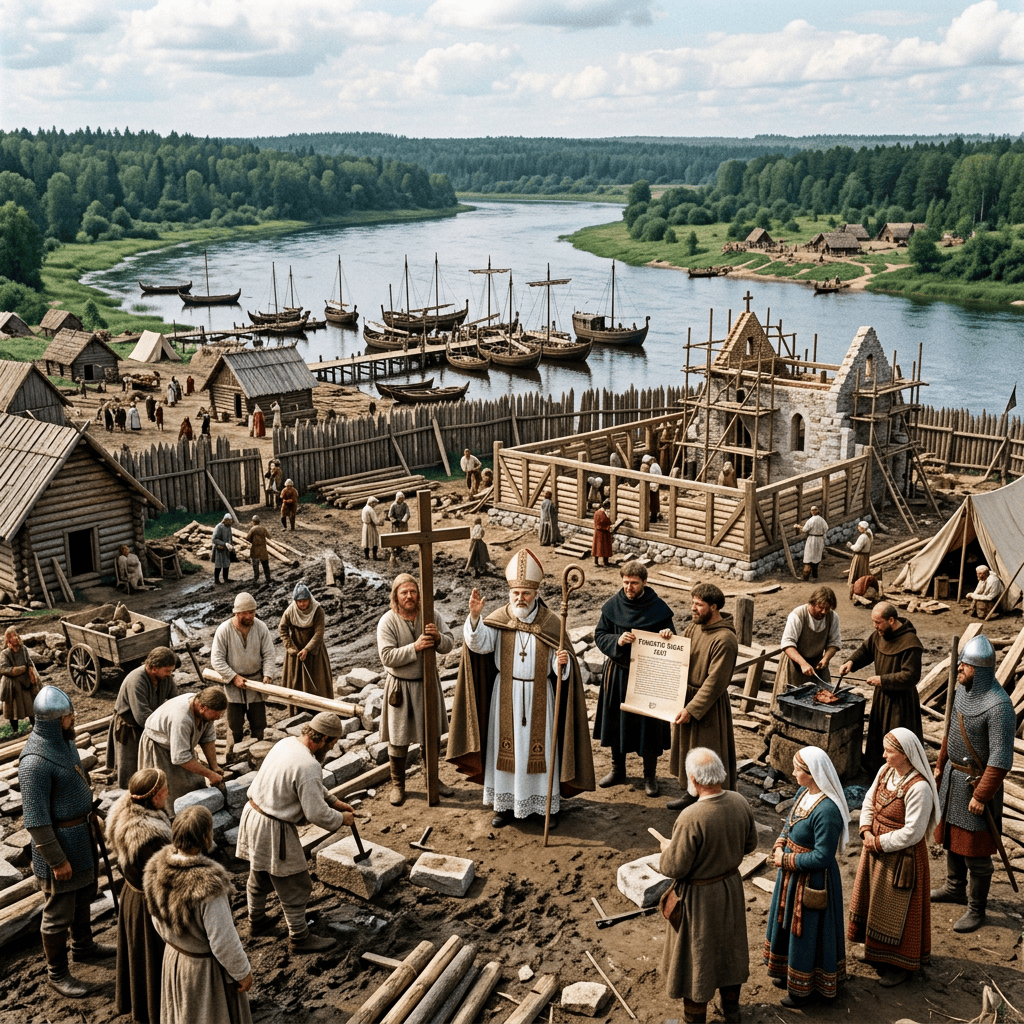
The city was founded in 1201 by the famous Henry Levant. He replaced the Archbishop of Riga, Albert Barthold, who fought for the independence of the region in the 102nd century for 30 years, and Riga became the largest city in the world. on the south side of the Baltic Sea.
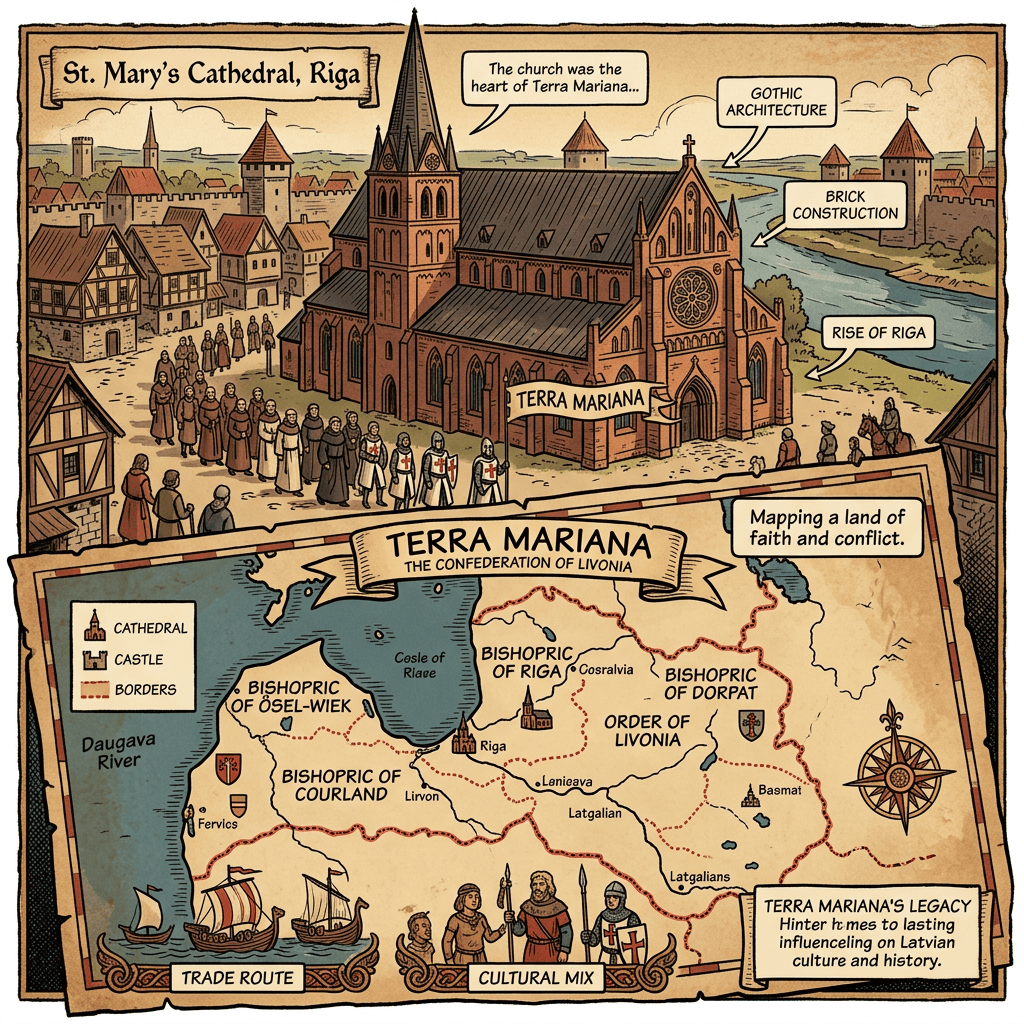
In 1207, the Kingdom of Terra Mariana was founded in Livonia. Currently, many churches and religious institutions on the Latvian-Estonian border are under papal jurisdiction. Livonia was founded in 1228.
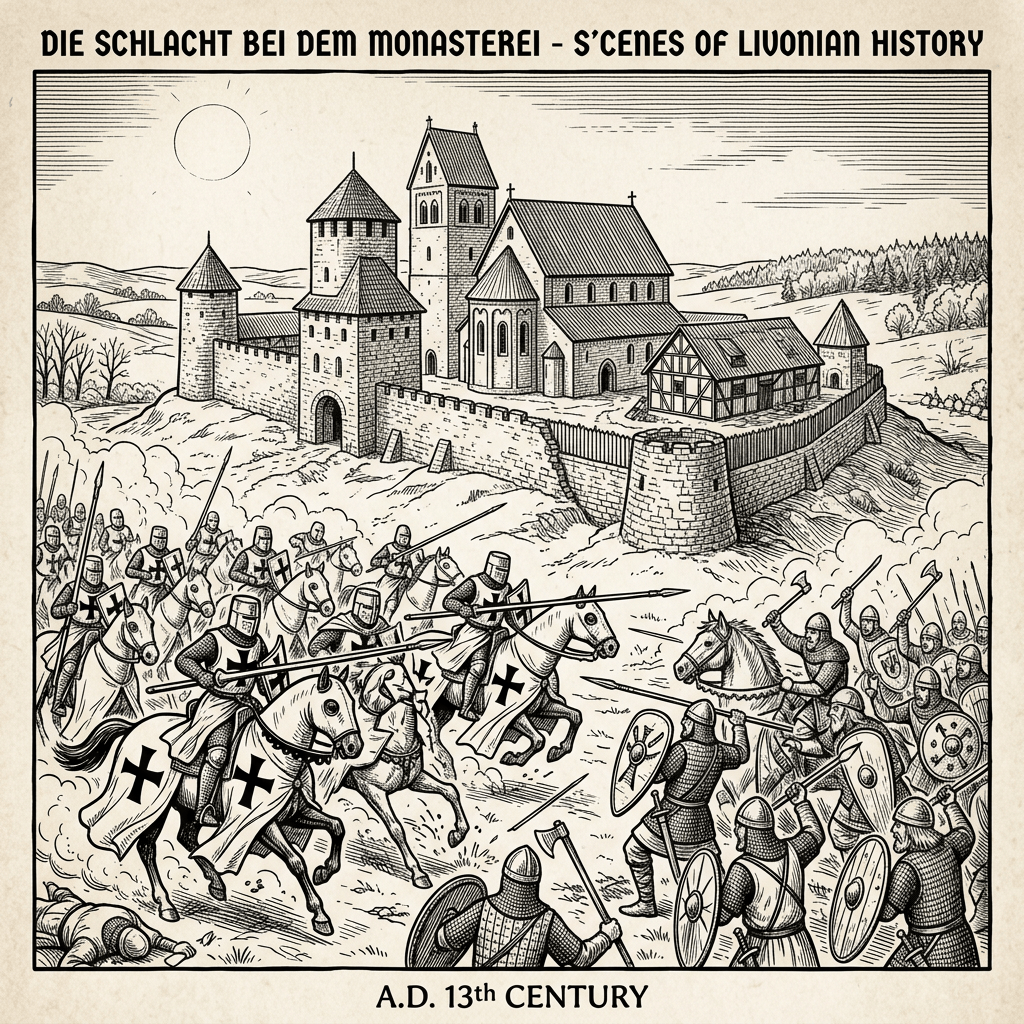
The Lyon club was founded in 1202 and became famous. 1207 in Livonia and 1214 in Lisgaard. After Saul’s defeat in 1236, Sher tried to enter the Church through monks. War. The Derby of 1260 ended Germany’s hopes of establishing a border between Prussia and Corinth.
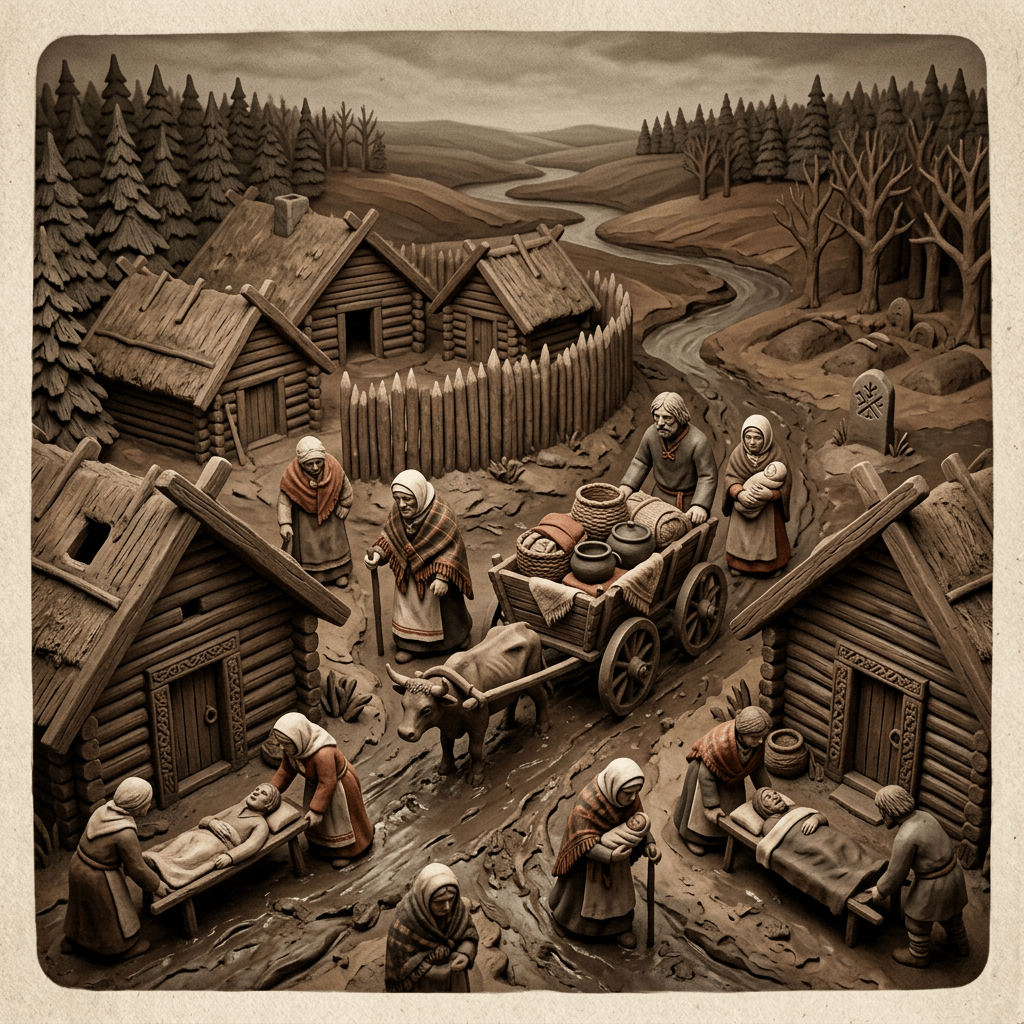
At the end of the 13th century, the Cygar family disappeared (in 1290, many Cigars left the territory of Germany and Lithuania), and most of the East German lands were located there. leave the book. The disease is transmitted directly.
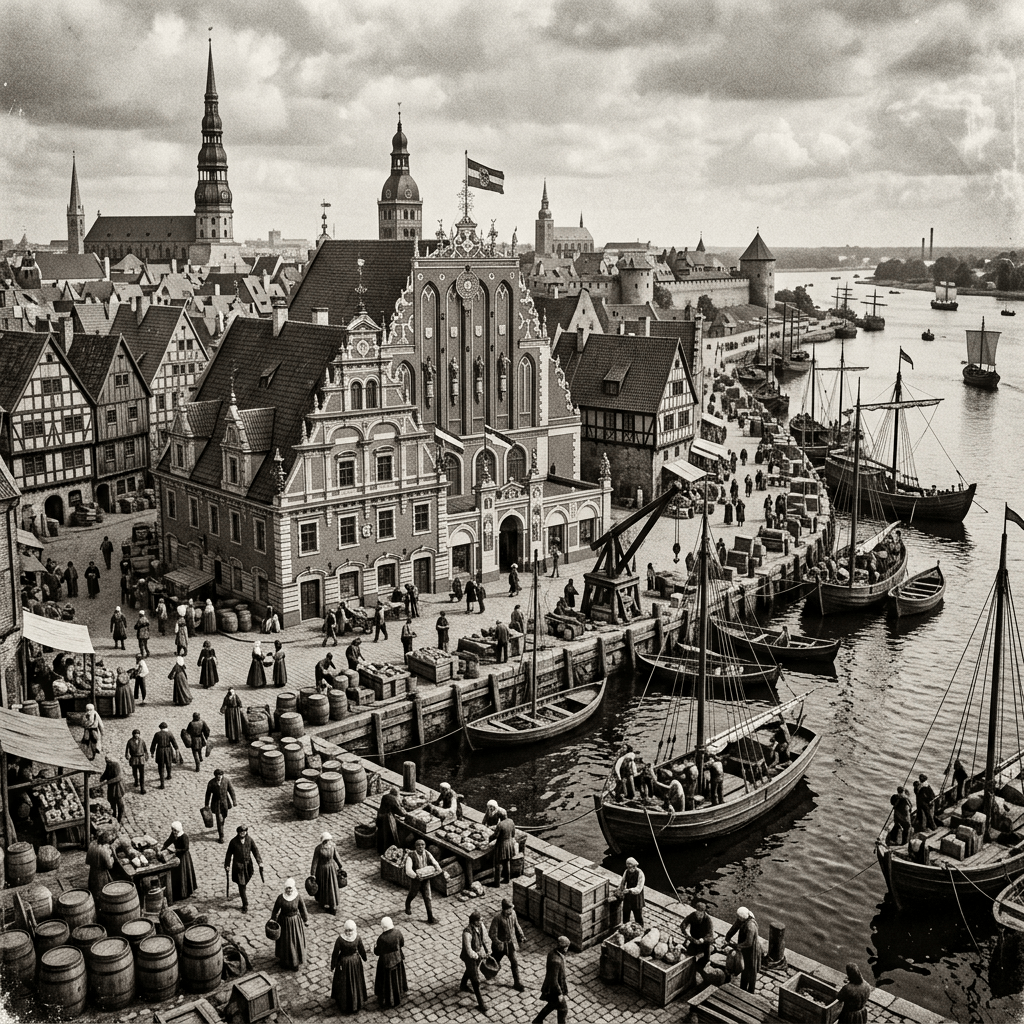
In 1282 Riga (later Zurich, Limburg, Gegens, and Wormla) joined the North German Alliance. Hanseatic League Riga began to develop cultural ties with Western Europe. It became the most important trading center of Loba and Temur.
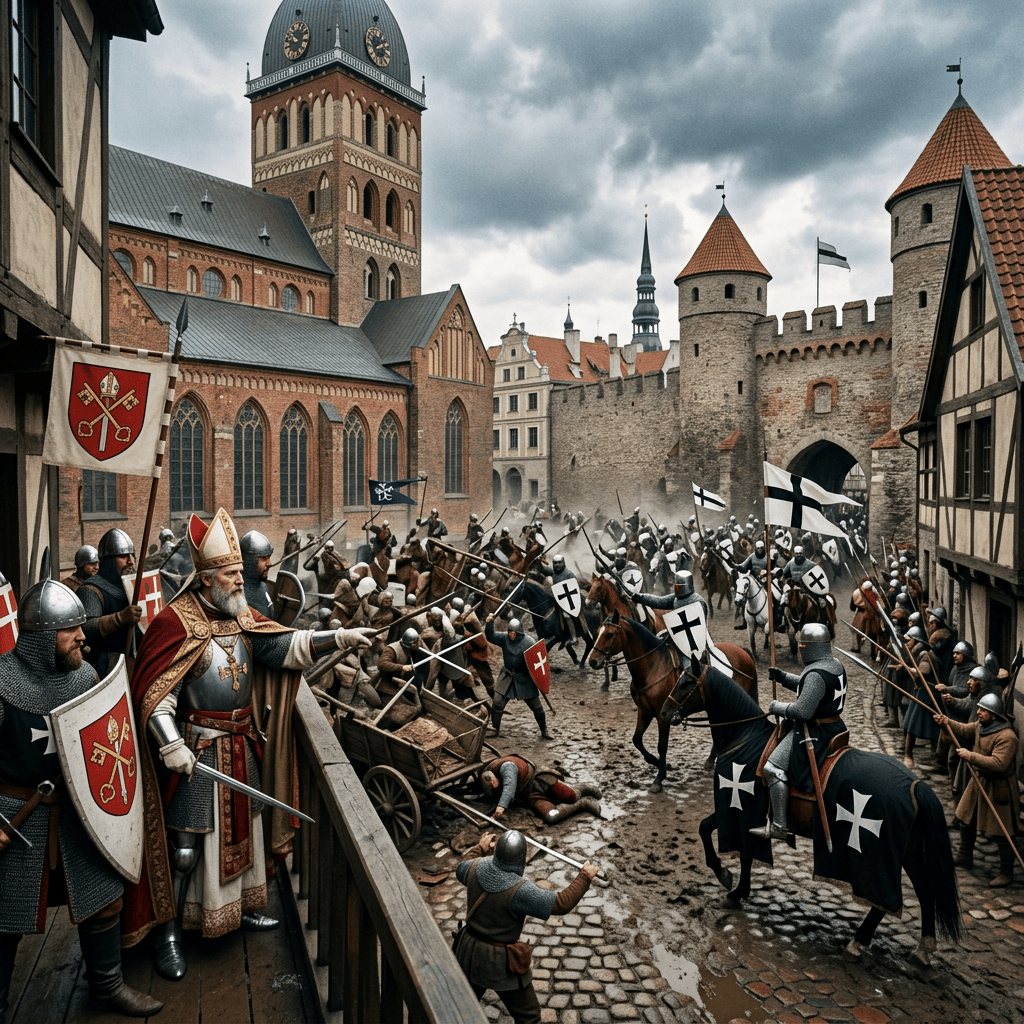
The Leonid Civil War lasted from 1297 to 1330 and began with a conflict between the Bishop of Riga and the Knights of Lyon.People have a lot of freedom and power. But because of their traditional religion, they have to pay taxes and serve as soldiers.
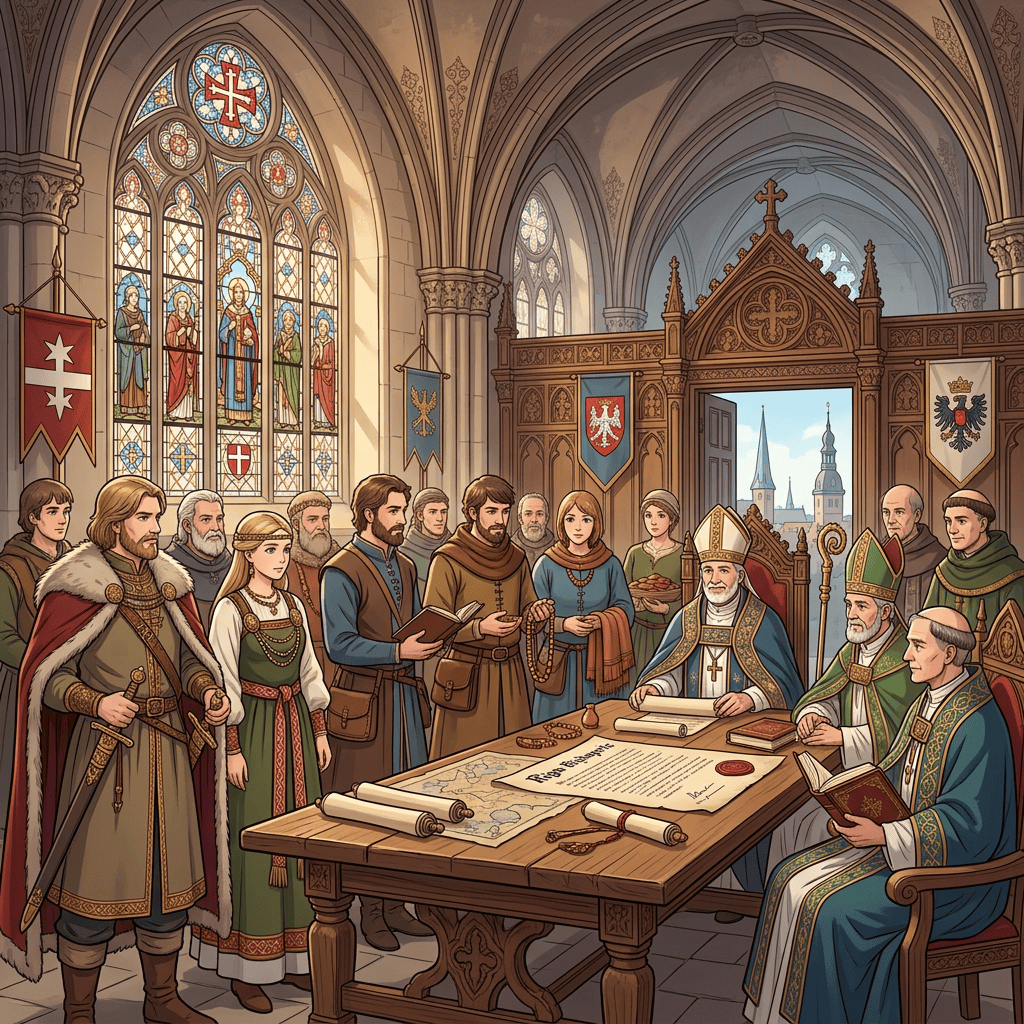
Over time, the people of the Baltic countries often leave behind a legacy of heroes, from kings to bishops. Your children are your children and all rights remain the same. During the Middle Ages, Baltic Germans became the dominant rulers of Lithuania as merchants and landowners. Famous and influential politicians must protect what they trust. But it should.
In the 19th century, wages increased from four to six days a week. When he tried to escape to Riga in 1494, he ordered the peasants to leave their fields and become slaves.
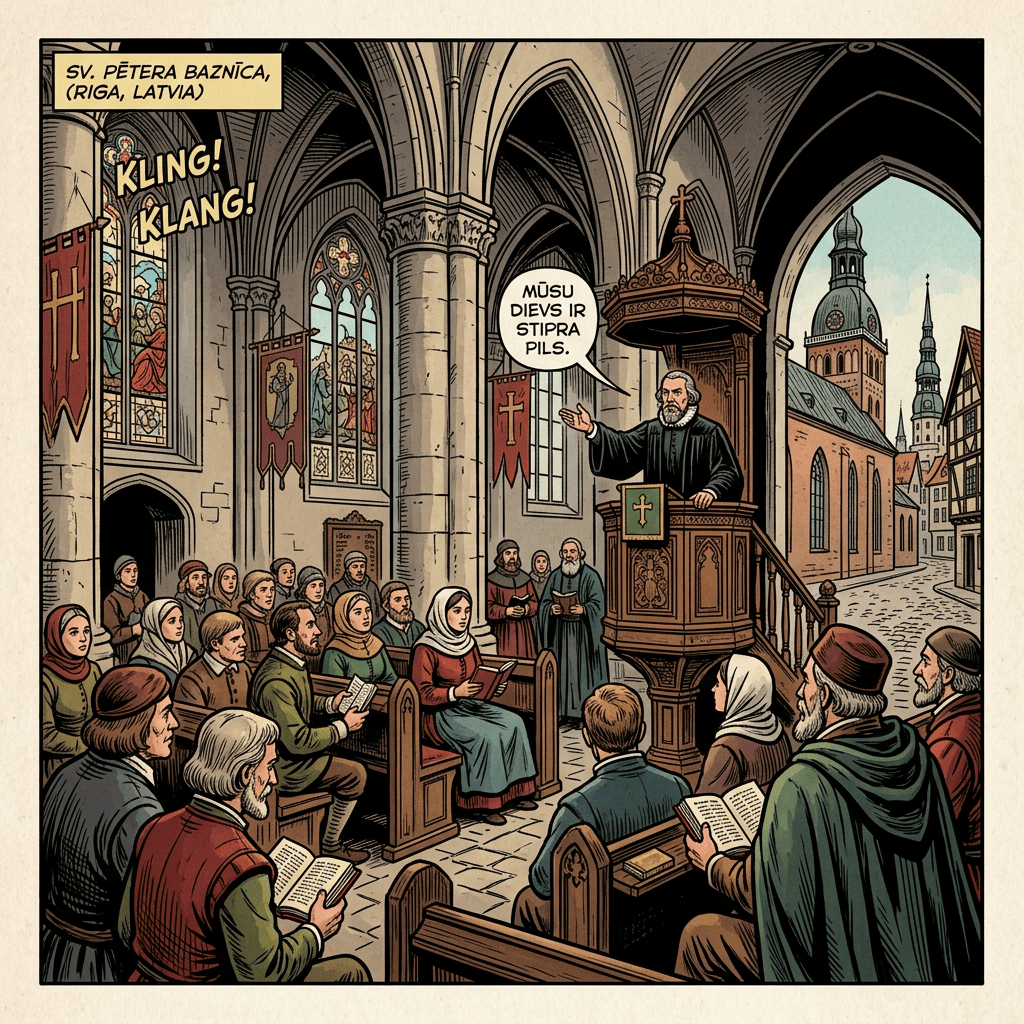
The Living Church was born in 1521 when Luther welcomed Andrew. Christianity was preserved. Protestants attacked the Catholic Church in 1524 and achieved freedom of religion in 1525. Founded and served the first church in Latvia. Protestantism spread to many cities. In the middle of the 16th century, the Lutherans attracted many people.
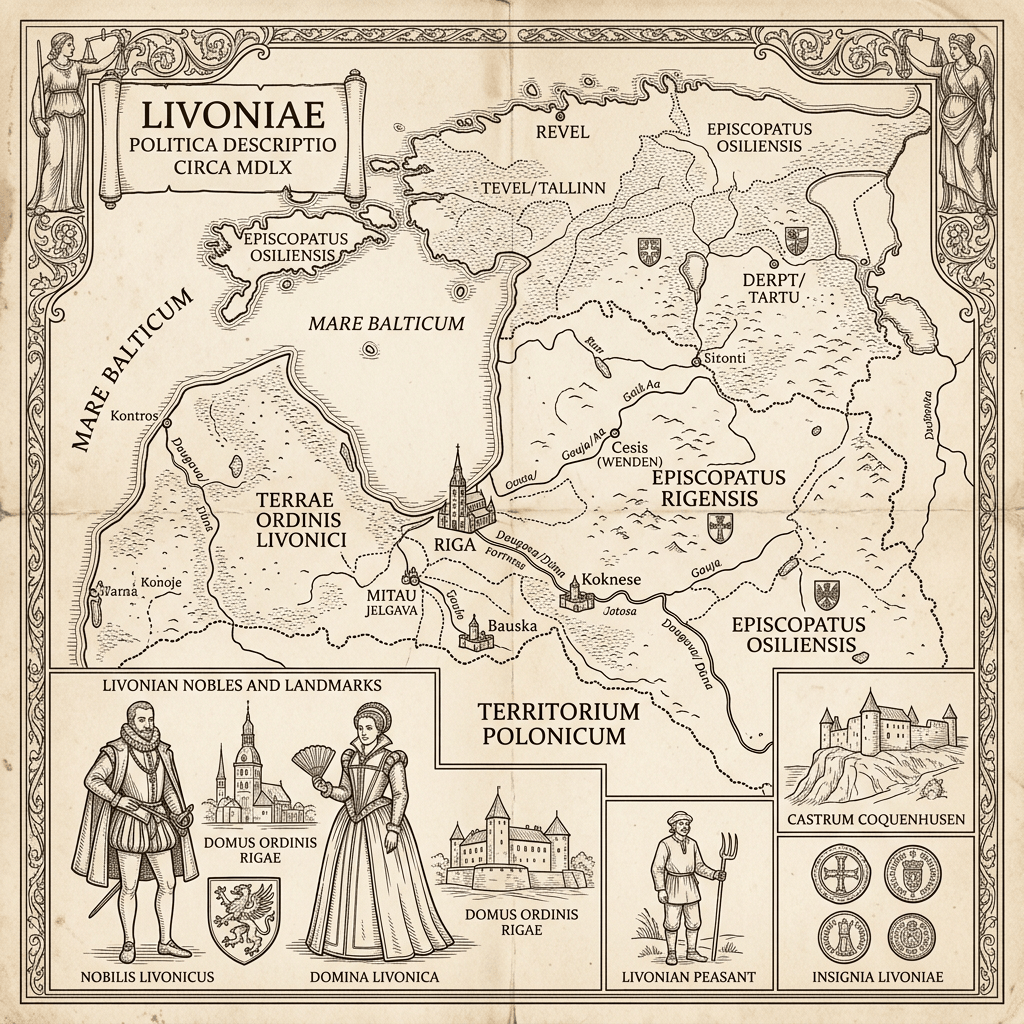
The Kingdom of Lebanon existed between 1558 and 1582, ending with the Lebanon War. The Treaty of Valencia abolished the Lebanese constitution in 1561. The following year, he became the second king of Poland. She married Henrik. Sigismund decided to retain the Grand Duke of Lithuania. the last, William of Brandenburg, last bishop of Riga; Riga became an independent city, and the entire territory was divided between Poland and Lithuania. Prince Cronin and Nut Island (Cernan). Regions of Lithuania) and regions. British Imperial Guard (Lithuanian Station) Livonia; Cut it out.
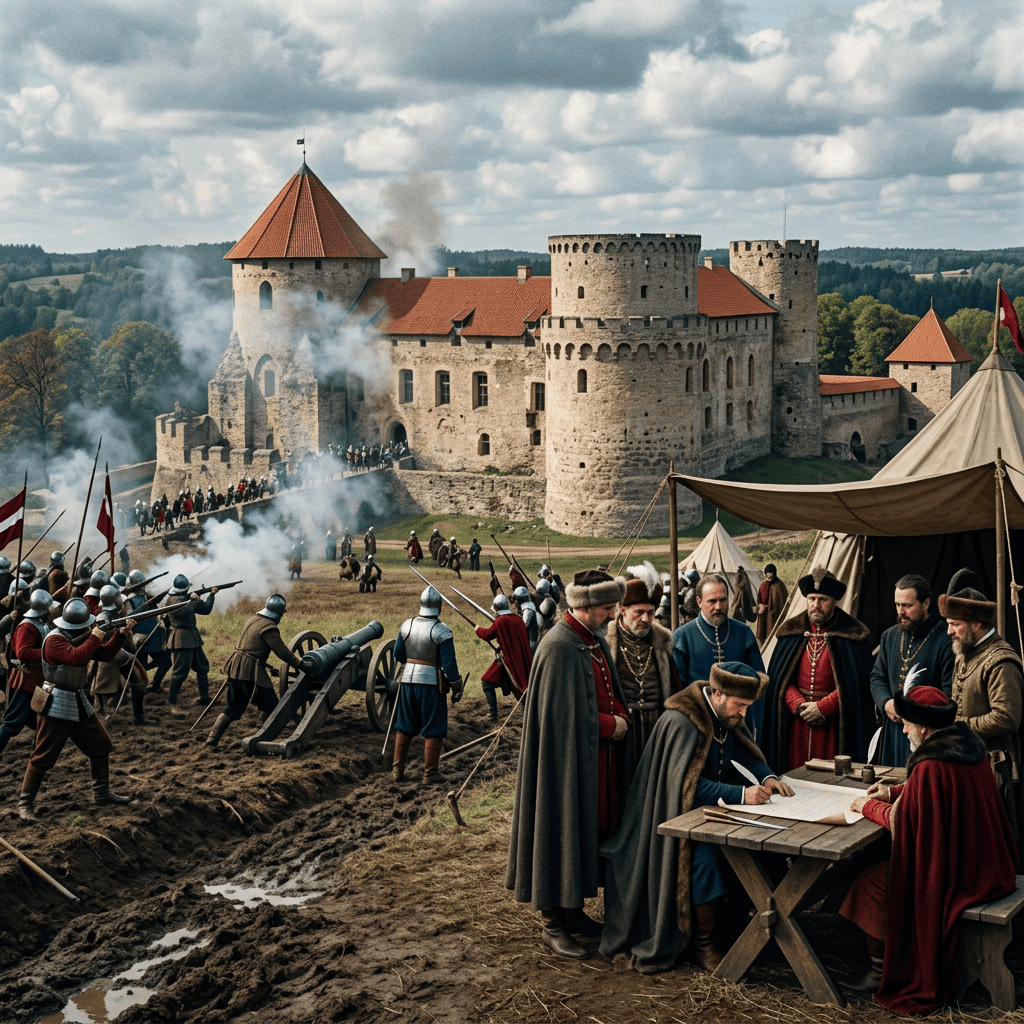
The Lyon War ended with the formation of the League of Lyons. Leonia was threatened by the influence of Moscow. However, Western Christianity dominated this area for 150-200 years. In September 1557, a secret treaty was signed in Poznan between Polish Livonia and Lithuania. Therefore, in 1558, Ivan the Terrible was summoned to Moscow. The Archbishop of Riga demanded one hundred soldiers.
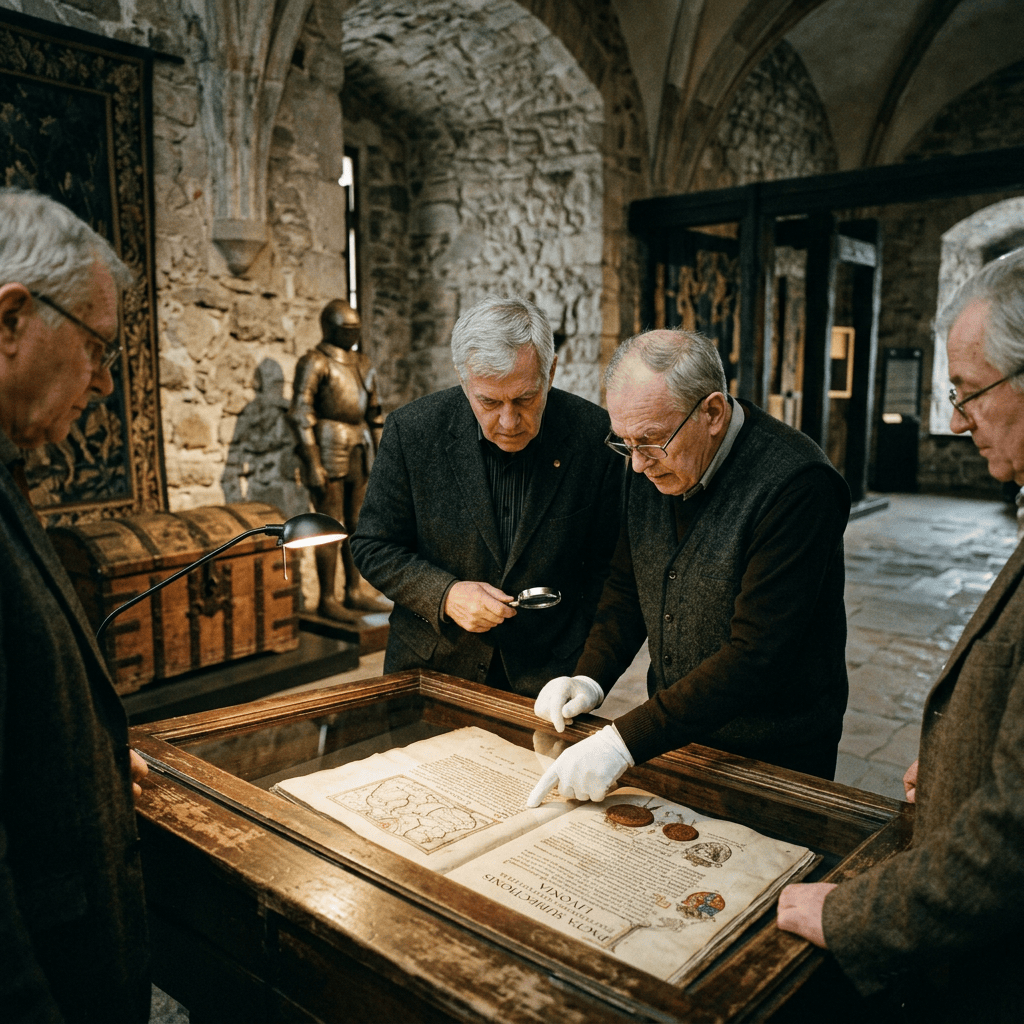
The Kingdom of Leon was destroyed by the Treaty of Vilnius in 1561. Gothard Kettler, the last teacher of Livonia (Lithuania), Korsem and Transylvania (Poland) after the former Prussian settlements, was the first teacher to accept Lutheranism in Tef Koron.
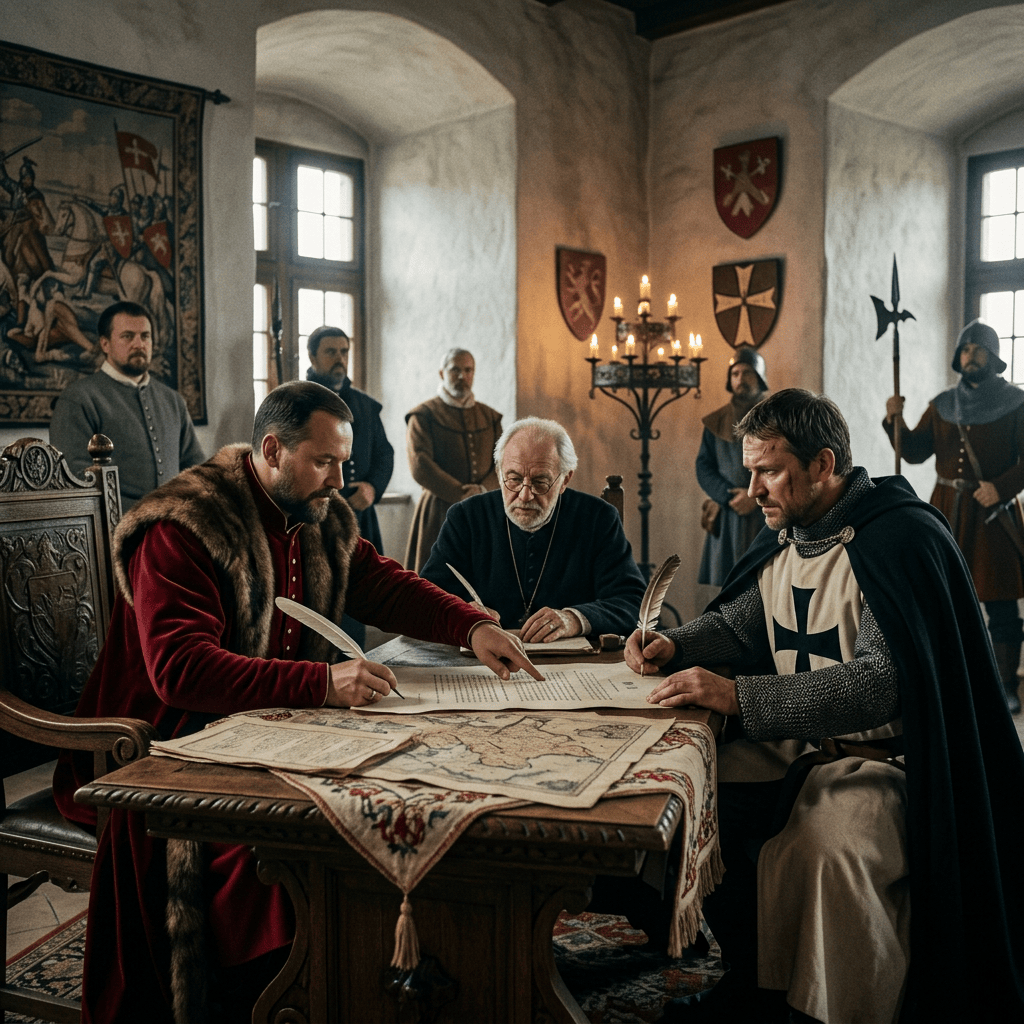
In 1560. and John FV. Esser Munchausen and the king of Courland gave this land to John II. Frederick, king of Denmark. His cousin Count Halsey gave him $30,000. Progress of the Church of Schleswig and Holstein. He sat among the monks of Asir and the bishops of Cherzem and Derbet, who made him the proud king of their kingdom. The bishops fought against the peasants and free peasants. Goddard Kettler, archbishop of Mecklenburg, defeats the last king Leo, Rhaegar of Livonia and his friend Christopher, allowing Magnum to invade Asia.
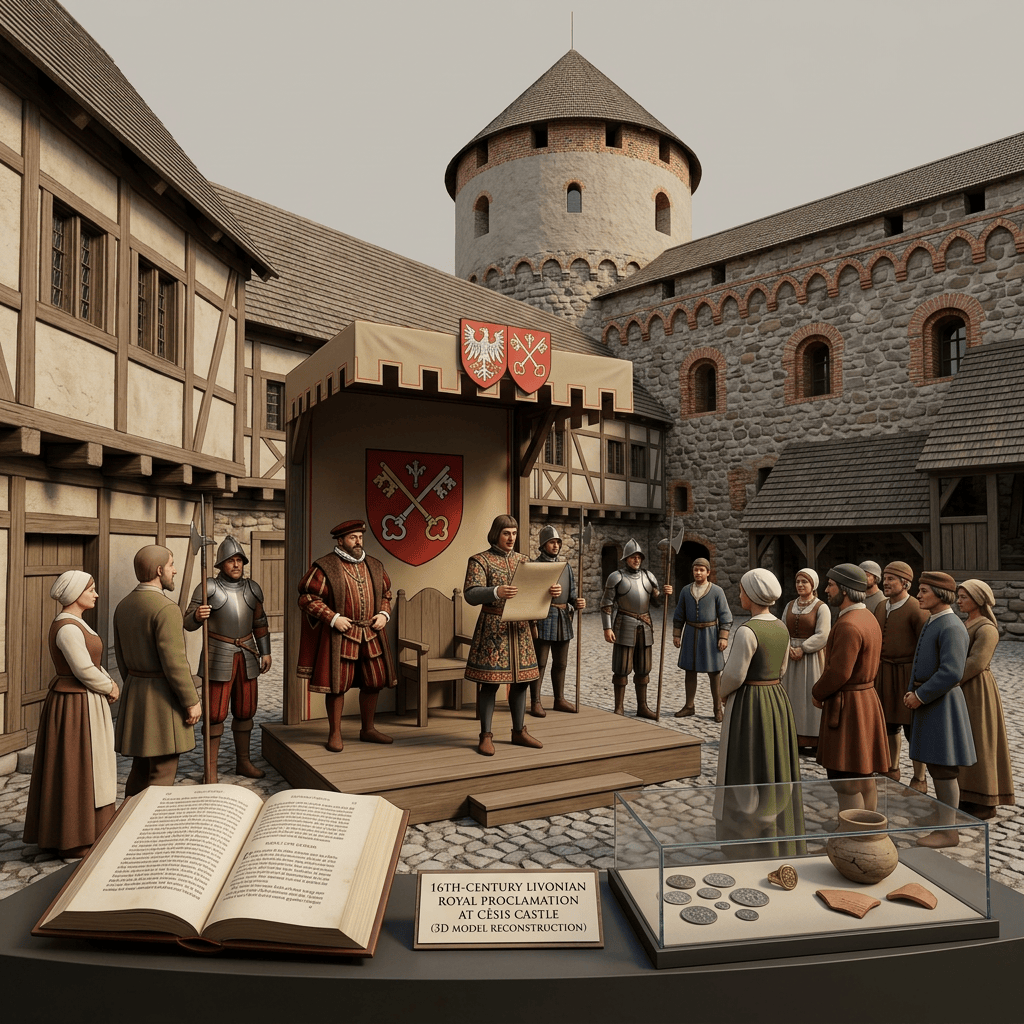
On 10 July 1870, Prince Gorsi arrived in Moscow and became King of Livonia. Ivan Berg cursed. I found this letter at Seeham’s house. Other VLLs were found in Poland in 1563, in Parana and Vilna in 1575.
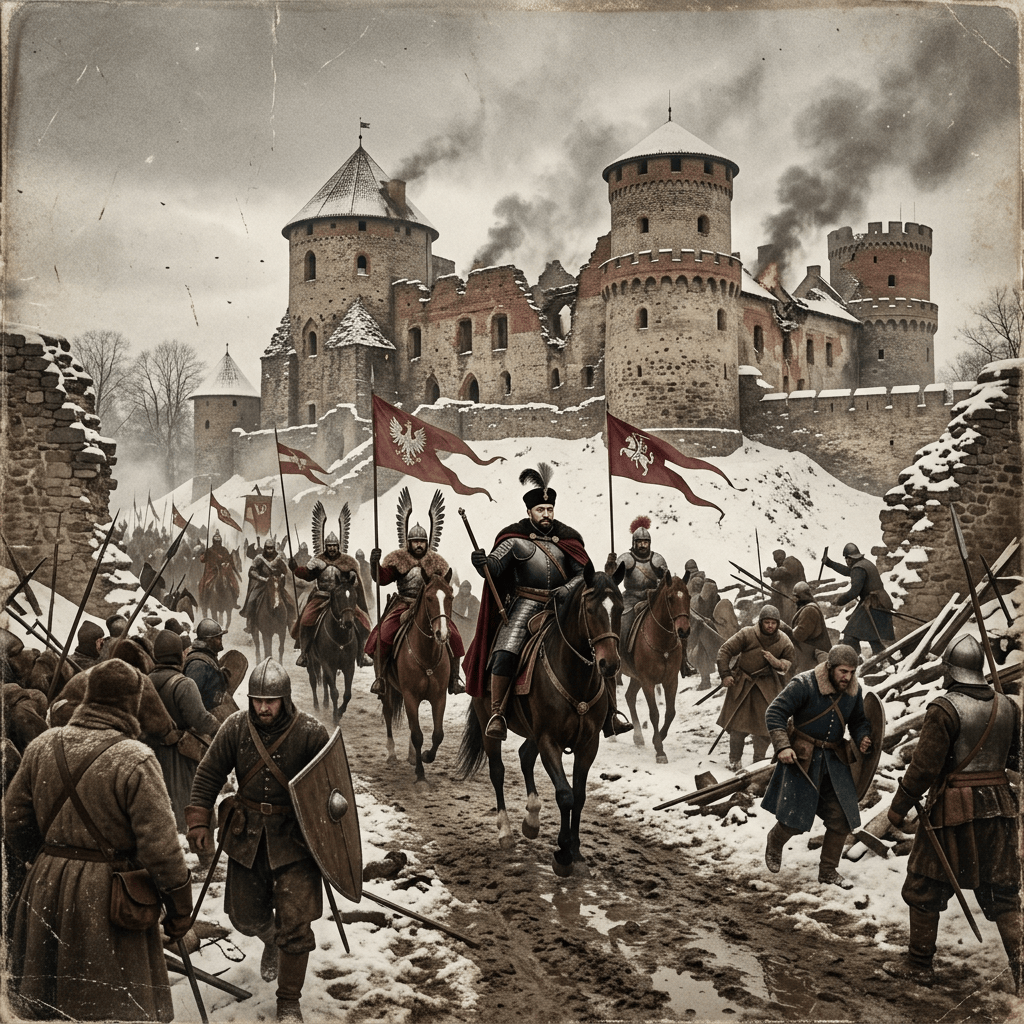
1577, IV. Over the past twenty years. During the Polish-Lithuanian War (known in Polish history as the Battle of Danzig), Stephen arrived in Livonia and quickly conquered the region. But Riga and Ravel.
In 1578, the Livonian branch gained independence from the Polish-Lithuanian Commonwealth. (Conflict between the Polish-Lithuanian Council and the Danish Parliament.) In 1578 the Archbishop of Ireland left. Returning to his home in Belton, he received a Polish pension in 1583. After his death in 1583, Poland was occupied by Germany and Senegal. As II. Freeze decided to sell his assets. In 1585, Denmark conquered the Baltic Islands.
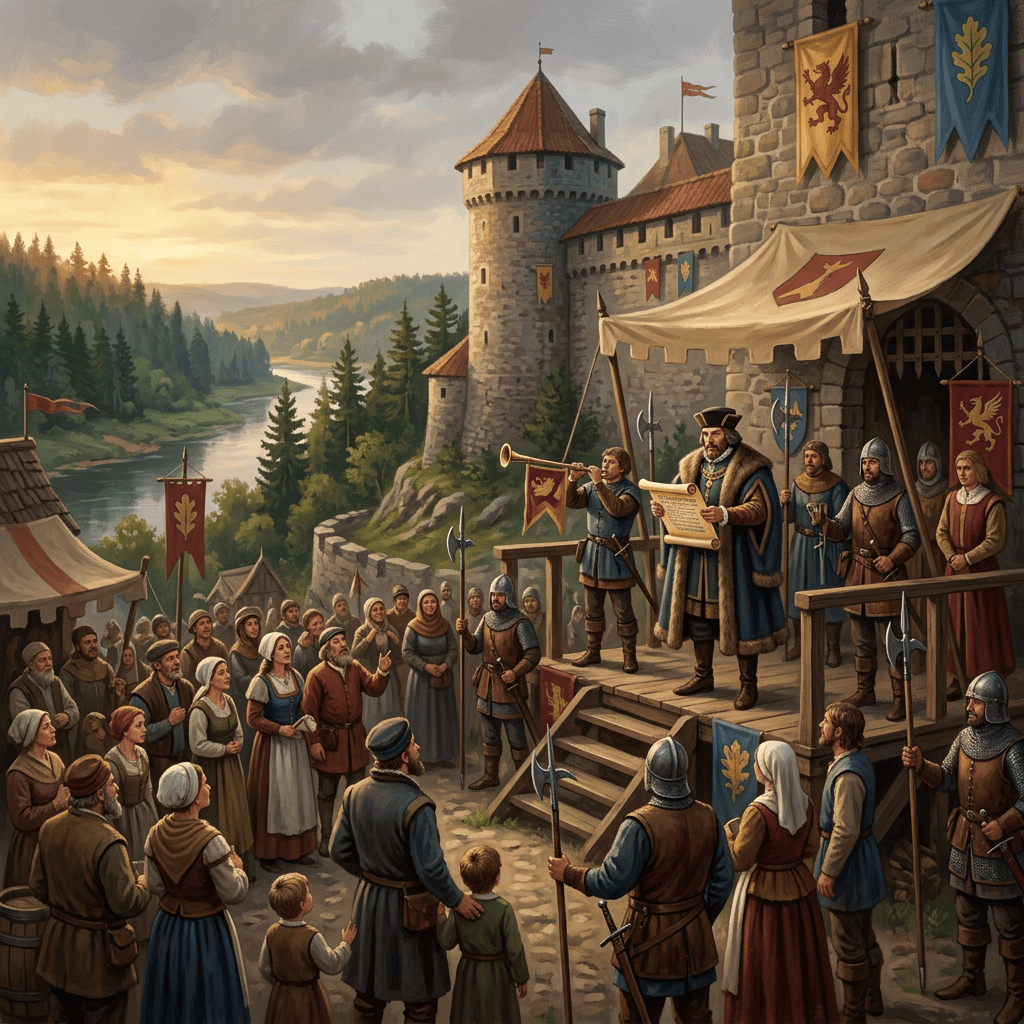
Janus Ironomovich Chudkevicius (1566-1578) – the first king of the confederation of serfs in Sigulda. The city belonged to the Grand Duchy of Lithuania until 1569 and after the Peace of Lublin in 1569. Poland became part of the empire. Grand Duchy of Poland in 1582. Moscow annexed the Grand Duchy of Poland and Lithuania.
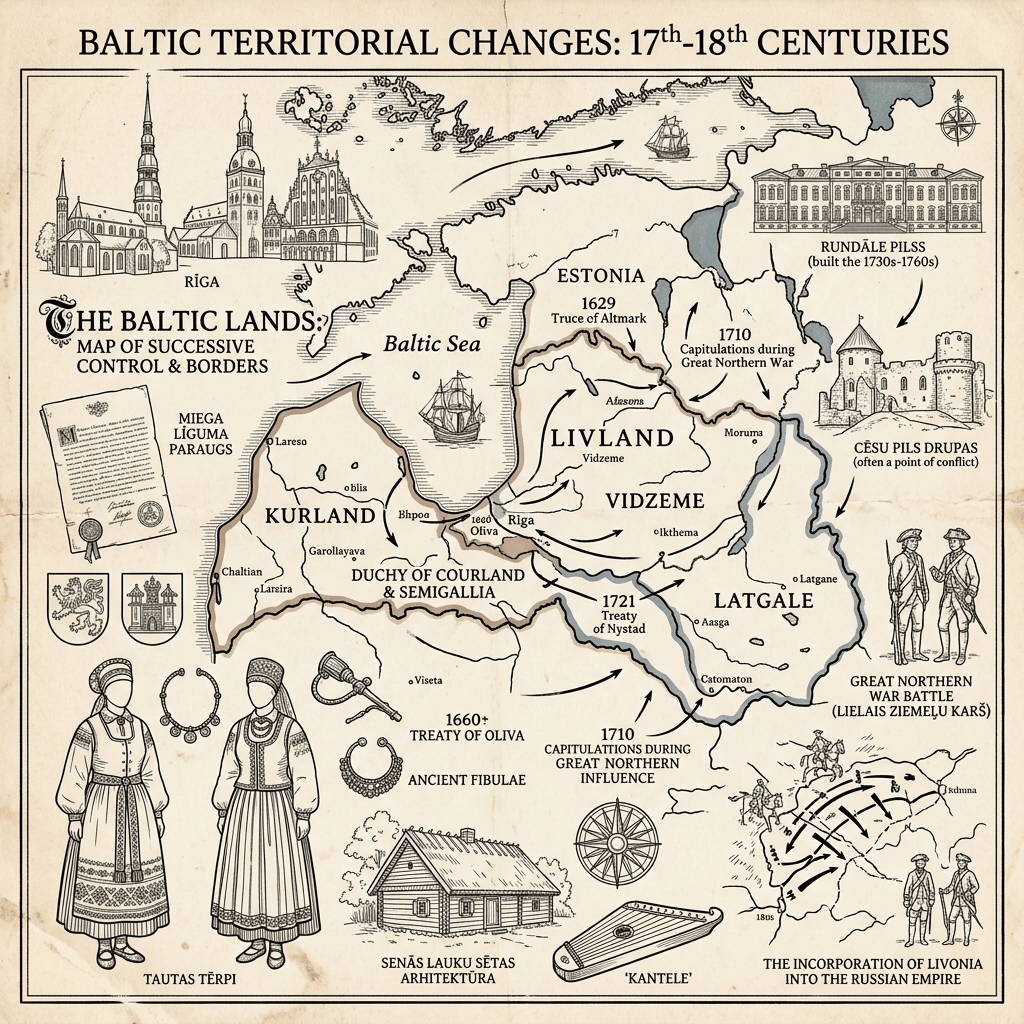
During the Persian-Swedish War (1626-1629), Sweden received its overseas territories under the Treaty of Altmark. In the southeast of this region is Dagpal (Dumberg), the land of spirits. With the Terrorist Revolution, Catholicism became the dominant religion in the area and was known as “Seith Infante” or “Latgale”. In 1772, during the First Polish War, Catherine II annexed Poland to the Russian Empire and added the name “Kingdom of Livonia” to the name of the Russian Empire.
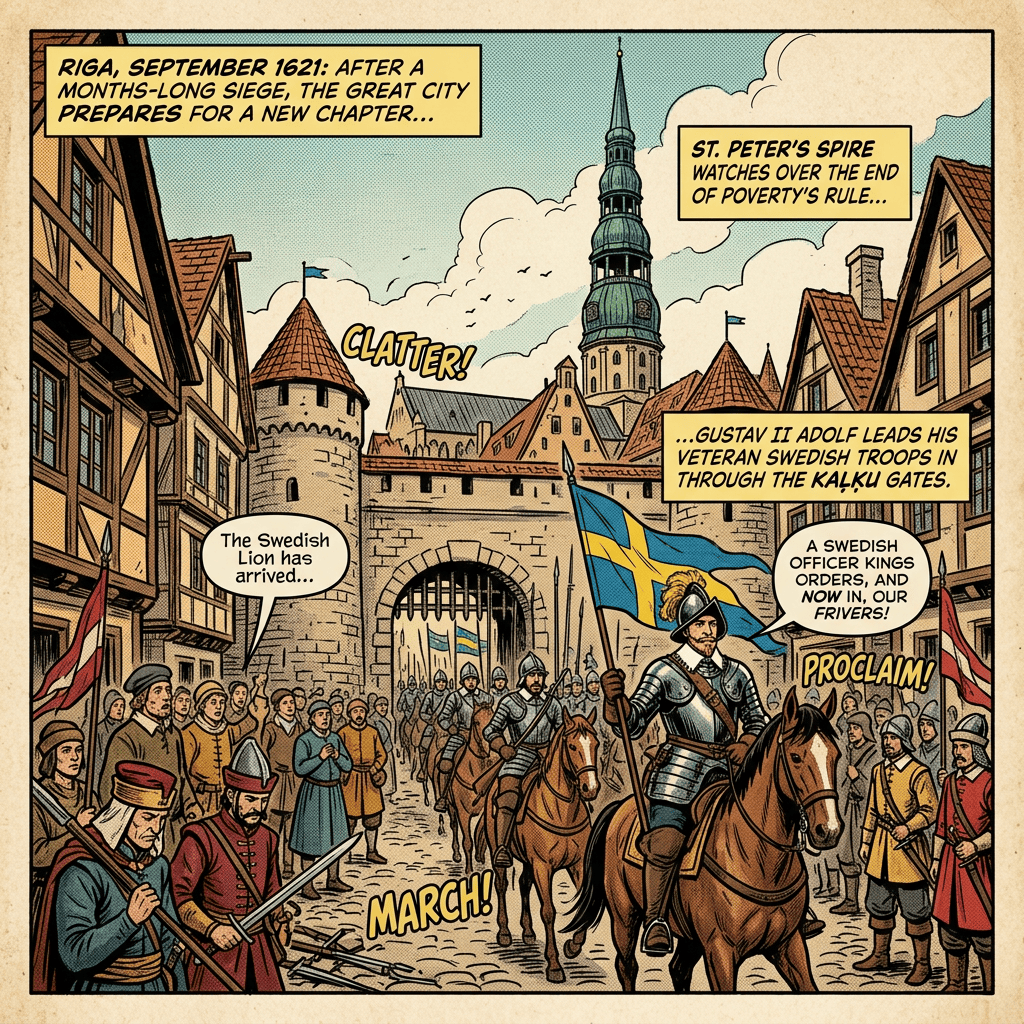
In 1621, during the Polish-Swedish War (1629-1600), Riga and most of the kingdom of Livonia came under Swedish rule. At that time, Sweden was called “Greater Sweden” because the meat production area in Sweden was very large.
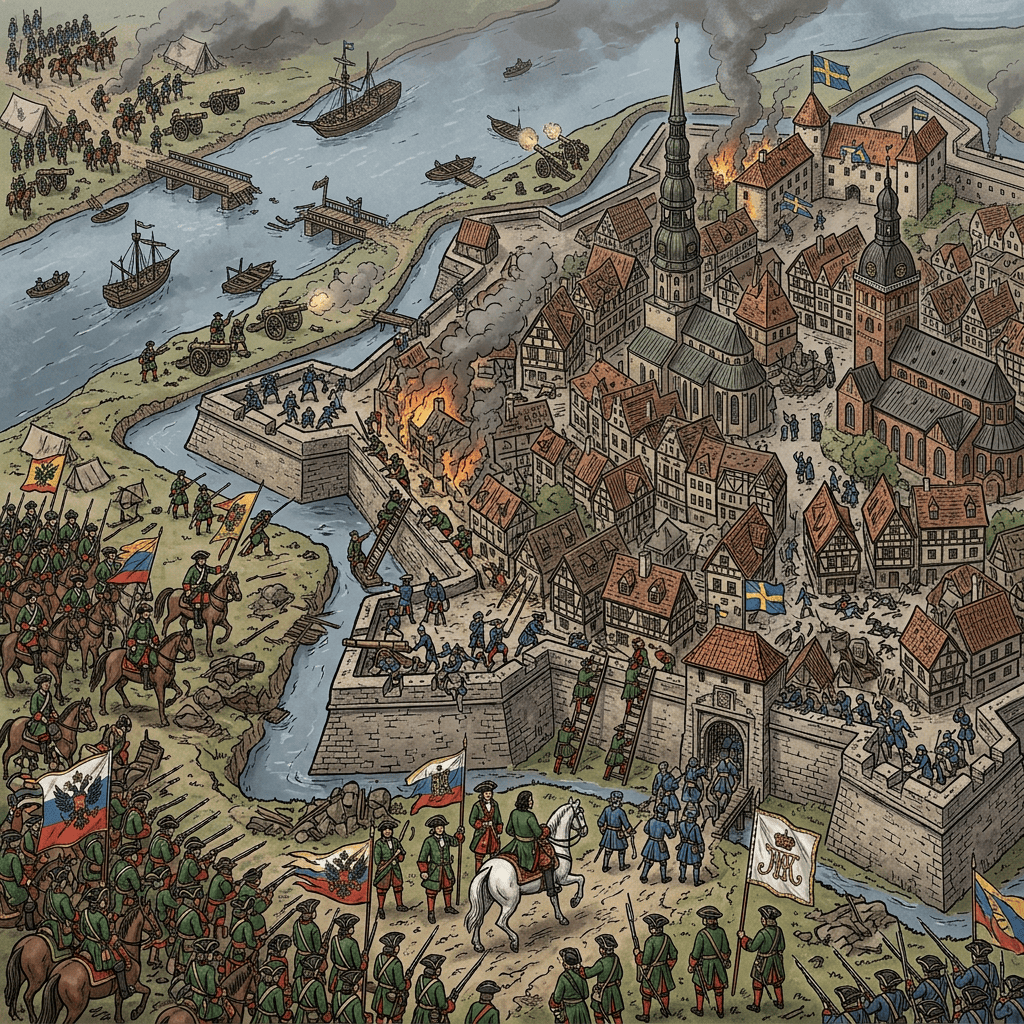
Riga is the second largest city in Sweden. Livonia dominated the Baltic Arabs and the rest of the Baltic Sea. Unlike Estonia, KSI is a Swedish company. Swedish law became national law in 1561. The process began in the Carolingian period, when slavery was abolished in the poorer parts of Sweden. God’s intention is to protect the king from the religious and religious beliefs of the army and citizens. Everything changed when Peter I of Russia conquered Livonia.
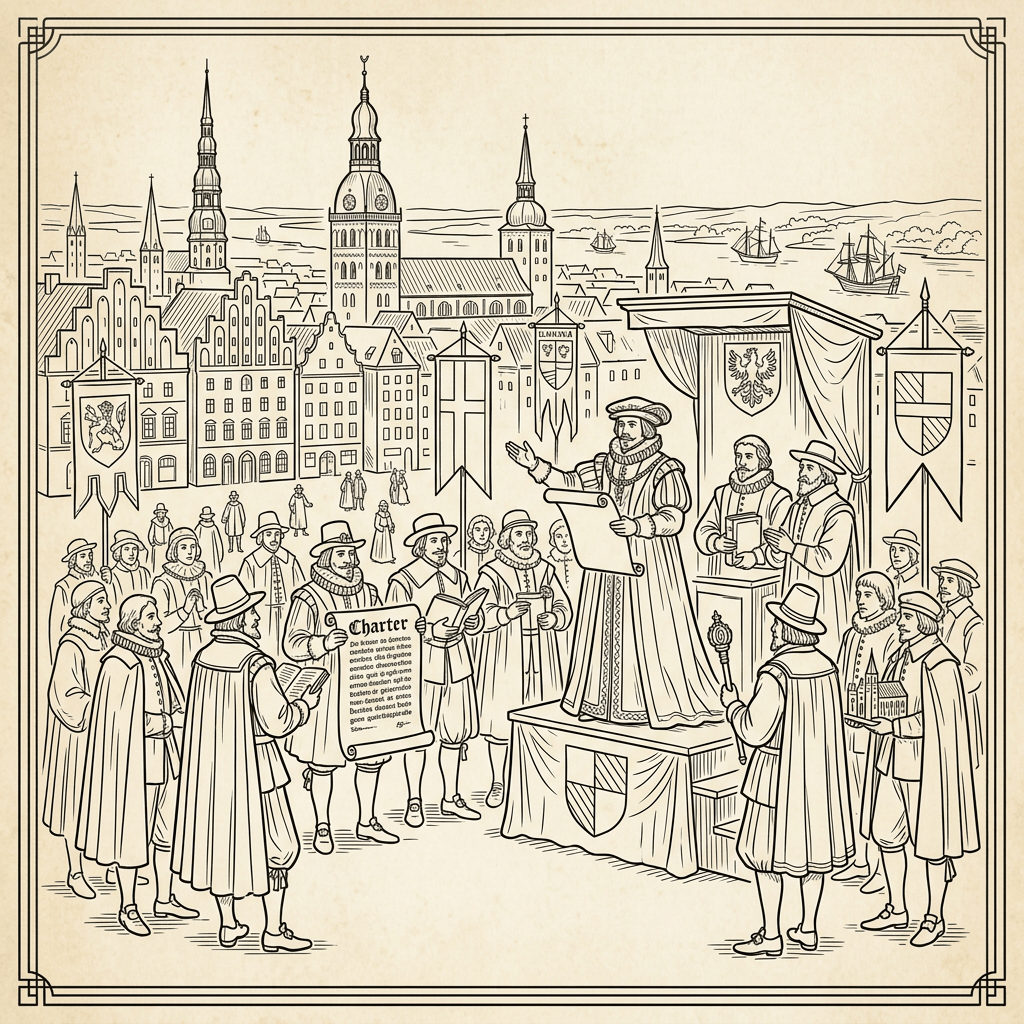
Dorf University was founded in 1632 by King Gustav Adolf of Sweden. Lithuanian school. Gothard Cutler was the first king, others were kings of kings and the state was the state. Cutler is serving his third term under the new administration. Jilgawa was designated as the center and Nita visited twice a year.
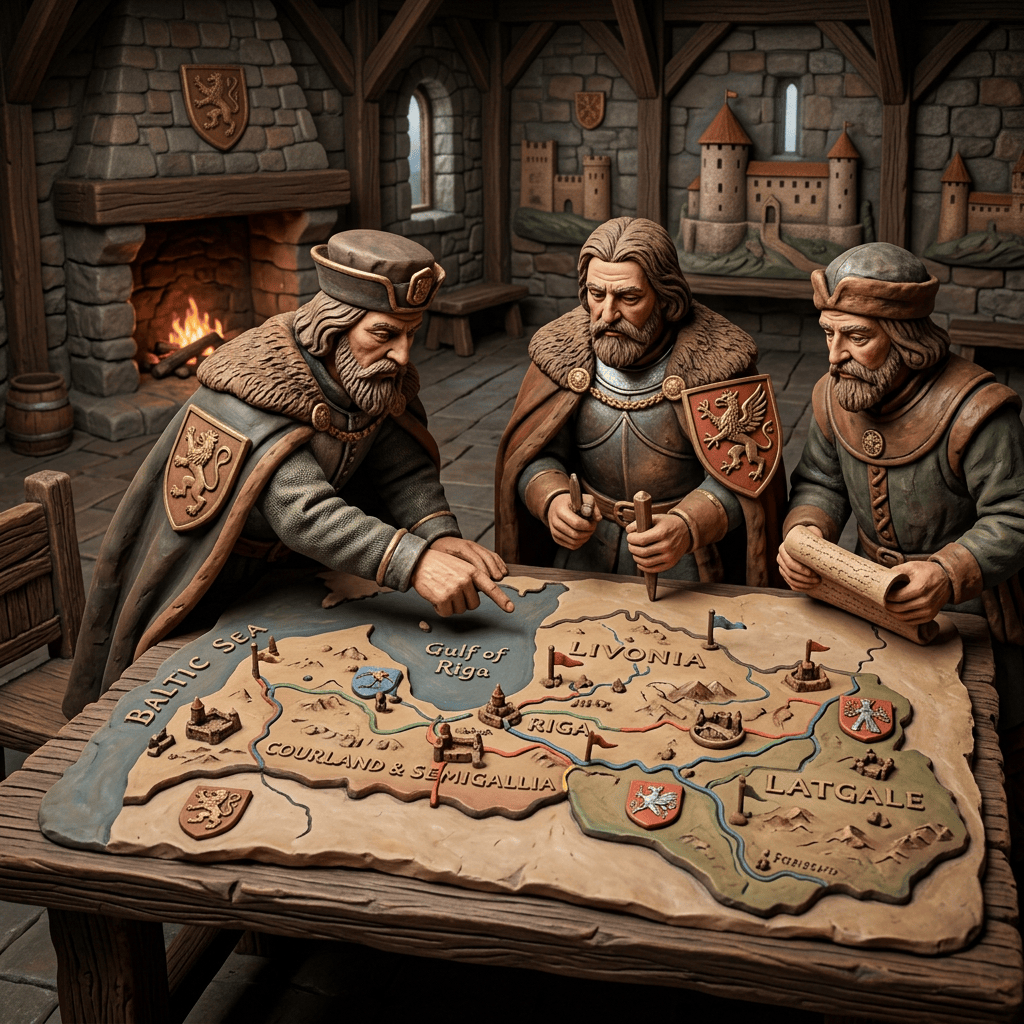
After the death of Gower Cutler in 1587, the new governor of Crimson Fergus and Wems succeeded him in 1596. The earth was divided into two parts. The frigate moved to eastern Senegal and settled in Zirka. Duke Wilhelm de Korzum de Cordek of West Prussia and the mines. New ships and iron ships were built here to transport goods from Kollam. In 1616, Frederick became Duke of Cormyr, ending the conflict between William and the Duke.
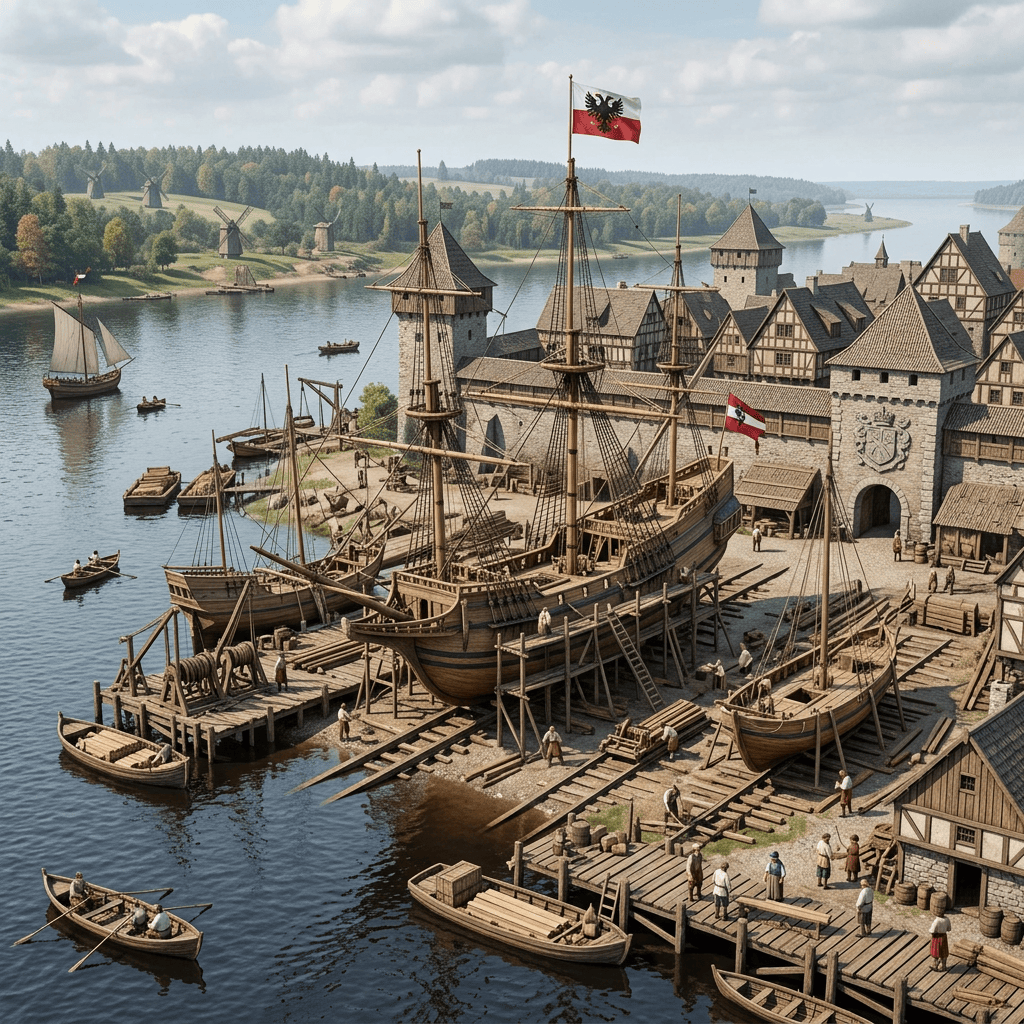
The period of prosperity of the Ottoman Empire reached its peak during the reign of the last emperor, Jacob Kohler. When Jacob moved to Western Europe, he became a marketing manager. Shipbuilding and steel were improved, factories began to produce weapons. Except for neighboring countries. The company has branches in the UK and France, as well as the Netherlands and Portugal. Jakubas founded a group of businesses in Windau and Lebau. Wendau, that is. There are over 40 Imperial Andrews yachts on the River Gambia (Africa). This place is called Clifford’s place.
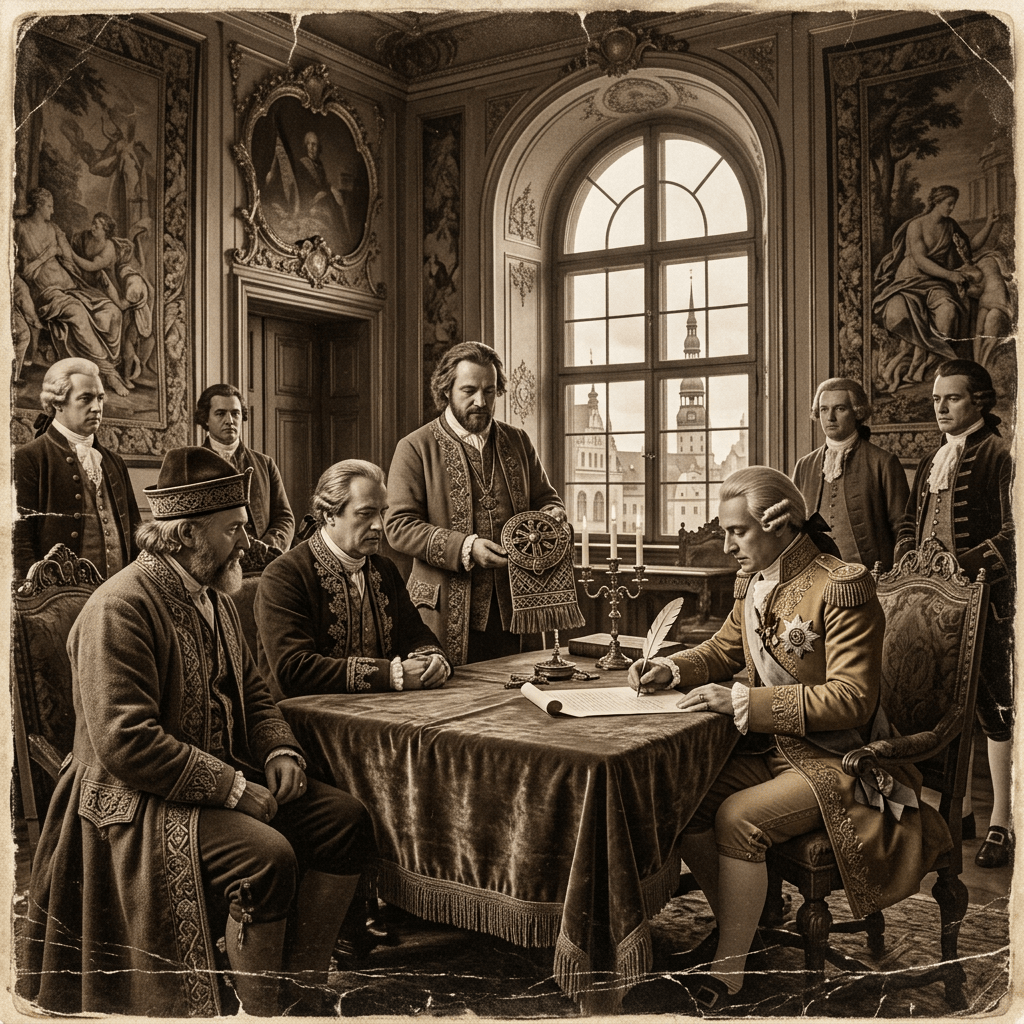
In 1775 Peter von Berne became the last Tsar of Russia. Petersburg was built. In April 1786, Czechoslovakia sold the Labkovich-Sagan estate in the Sagansk district. In 1795, in the Third Peace Treaty, Russia decided the fate of Rob Tupperware. This document was signed by the “great” of Russia on March 28, 1795 and contains a lot of money.
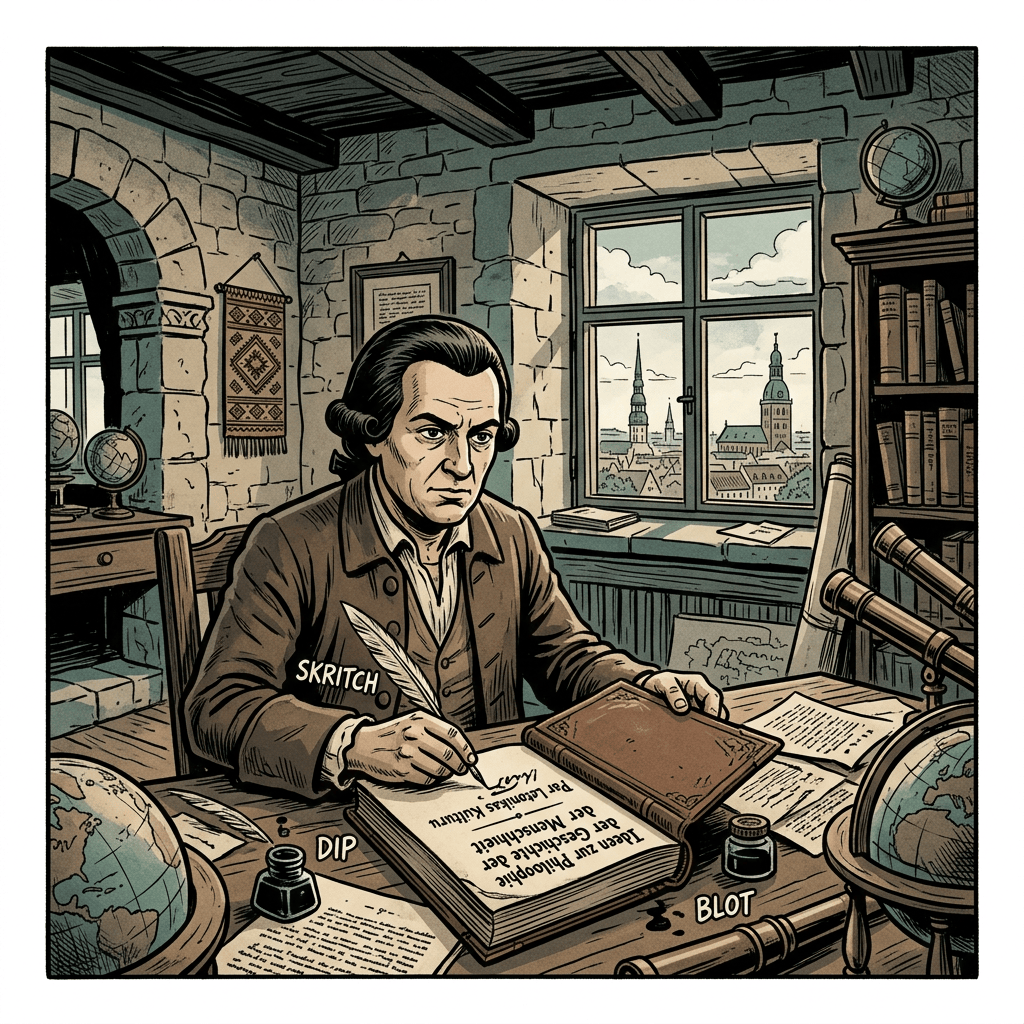
Baltic Germans were influenced by Enlightenment ideas, which influenced Latvian creativity. Gotthard Friedrich Stander wrote the first Lithuanian-German and German-Latin dictionaries. He wrote his first book Earth and Natural Sciences (1774). wrote the first letter to Latvia (1787);
In 1796, Galev Markelis published “The Book of Latvia”, in which he described the situation of slavery in Latvia due to the persecution of German teachers.
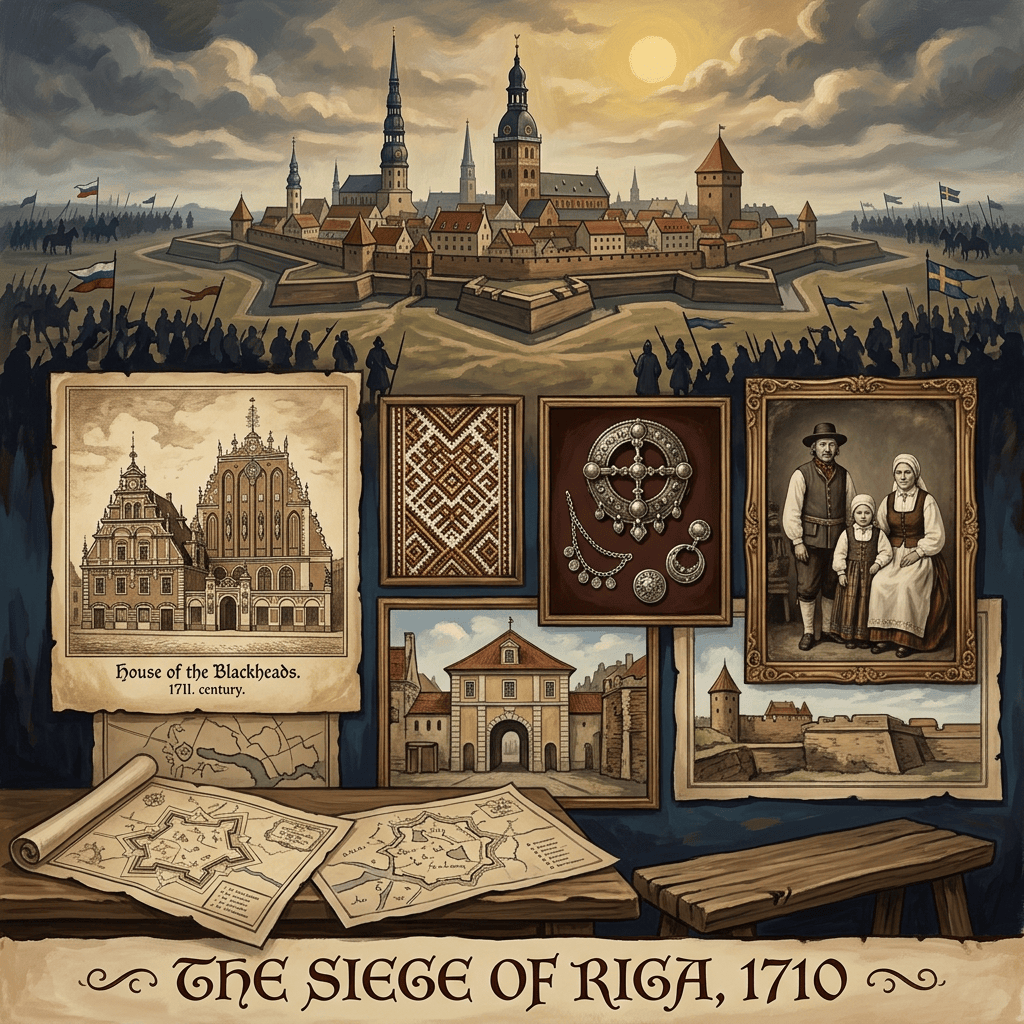
In 1700, the Viking War began between Sweden and Russia. In 1710, Russia left Livonia and conquered Riga and Estonia. While Peter the Great was trying to secure and build a port in the Baltic Sea, World War II broke out in Norway, leading to the cost of the war. In some regions, the number of victims reached 75%.
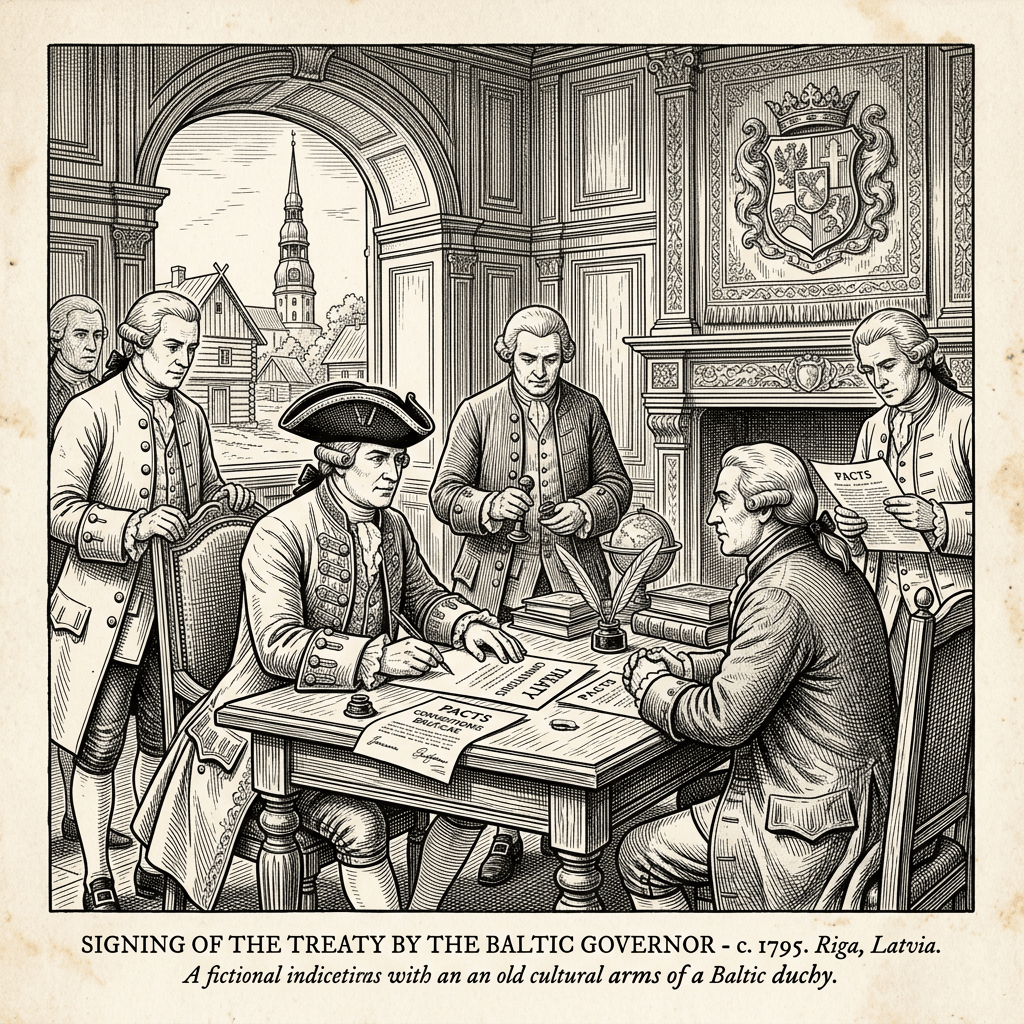
In 1713, Peter was appointed governor of Riga, and Livima, after changes and modifications in 1796, accepted a treaty that guaranteed the autonomy and independence of the Baltic states. They were concerned with money, cultural boundaries, religion, Lutheranism and Germany. From 1725 to 1682, all Russian emperors, including Alexander II (1881-1855), recognized the Russian empire. After amending the constitution in 1889, members of parliament began to accept school laws.
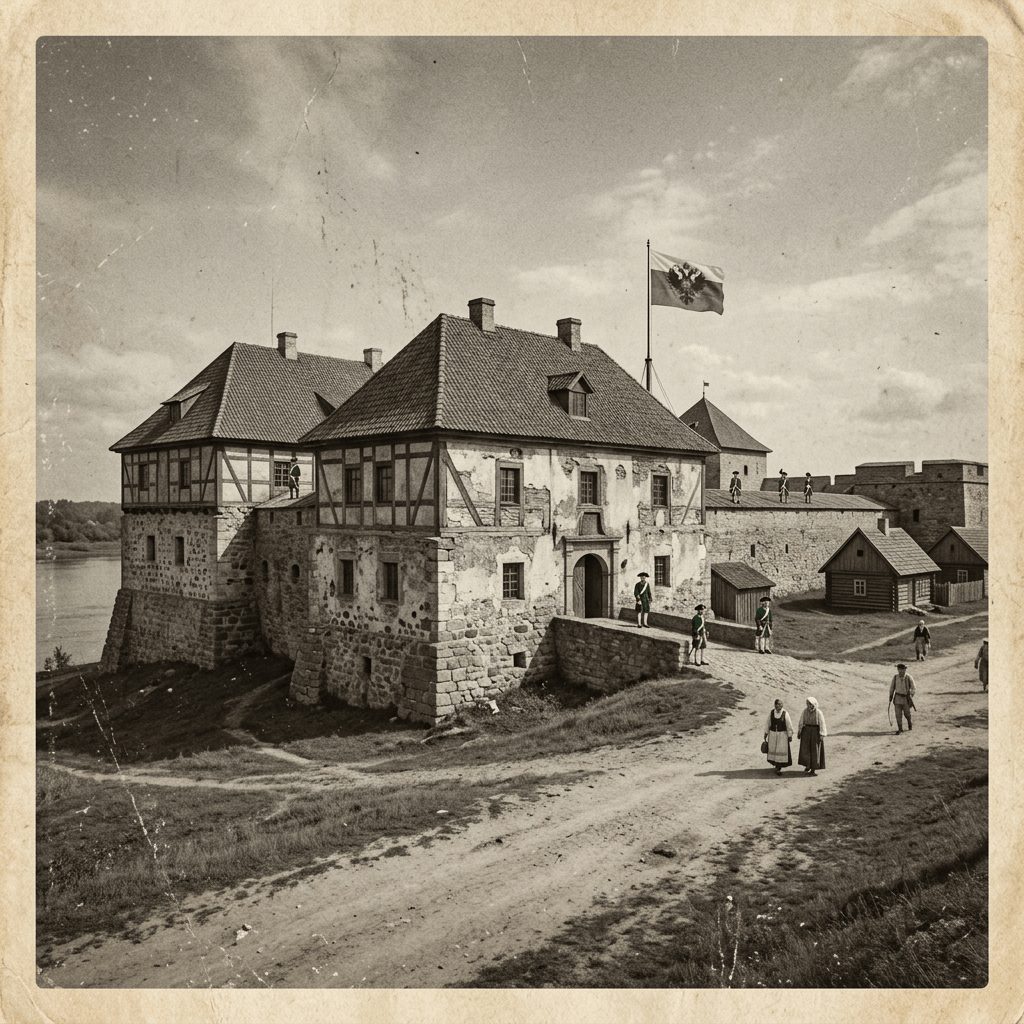
After the First Partition of Poland in 1772, Baikal became part of Russia, first as Mogilev and in 1802 as Vitebsk Oblast. How is Latvian culture different from Latvian? He built the grand palace of the Daugavpil family.
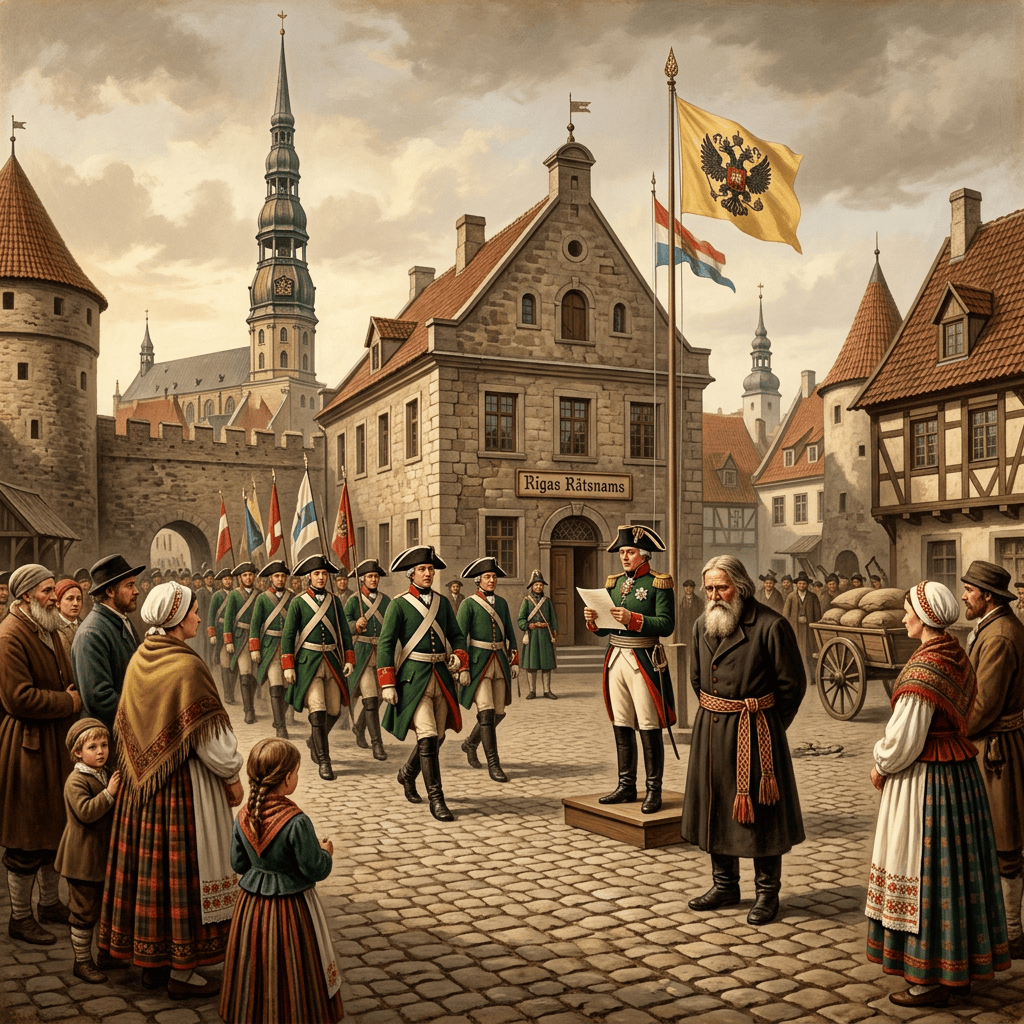
After Poland was annexed by the Ottoman Empire in 1795, Smigel’s last home was established in Kjolm, and Germany kept it independent for many years. At that time, the entire territory of Latvia was occupied by the Russian Empire.
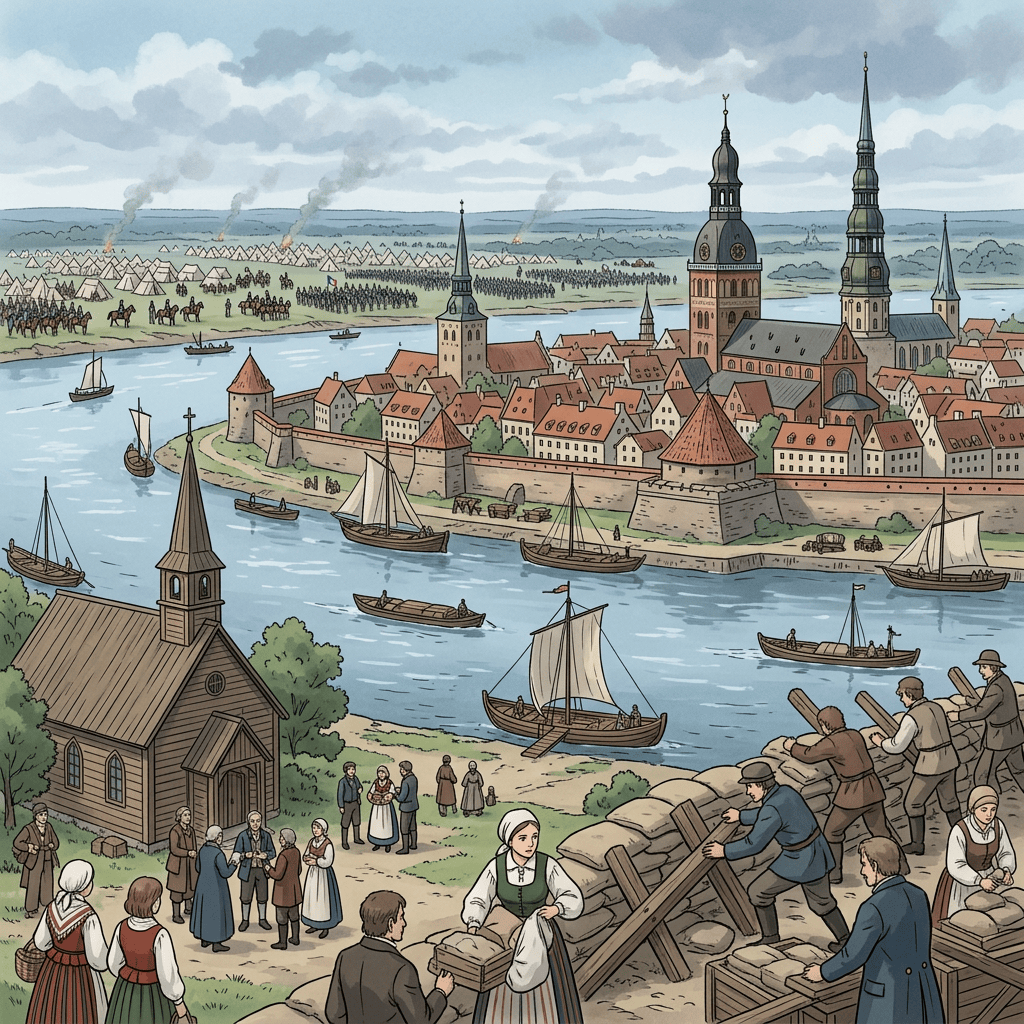
In 1812, Napoleon’s army invaded Russia. The Prussian army under Field Marshal Yorkin occupied Corsica from Riga. It was Mostatin before Prime Minister Ivan. Salt arrives in Riga, a cruise ship docks in the Curonian Spit, and Somalia has been handed over to France and Poland. Napoleon said. However, the Russians burned wooden houses near Riga, fearing that they would evacuate thousands of soldiers. York therefore did not attack Riga and returned with Napoleon’s army in December.
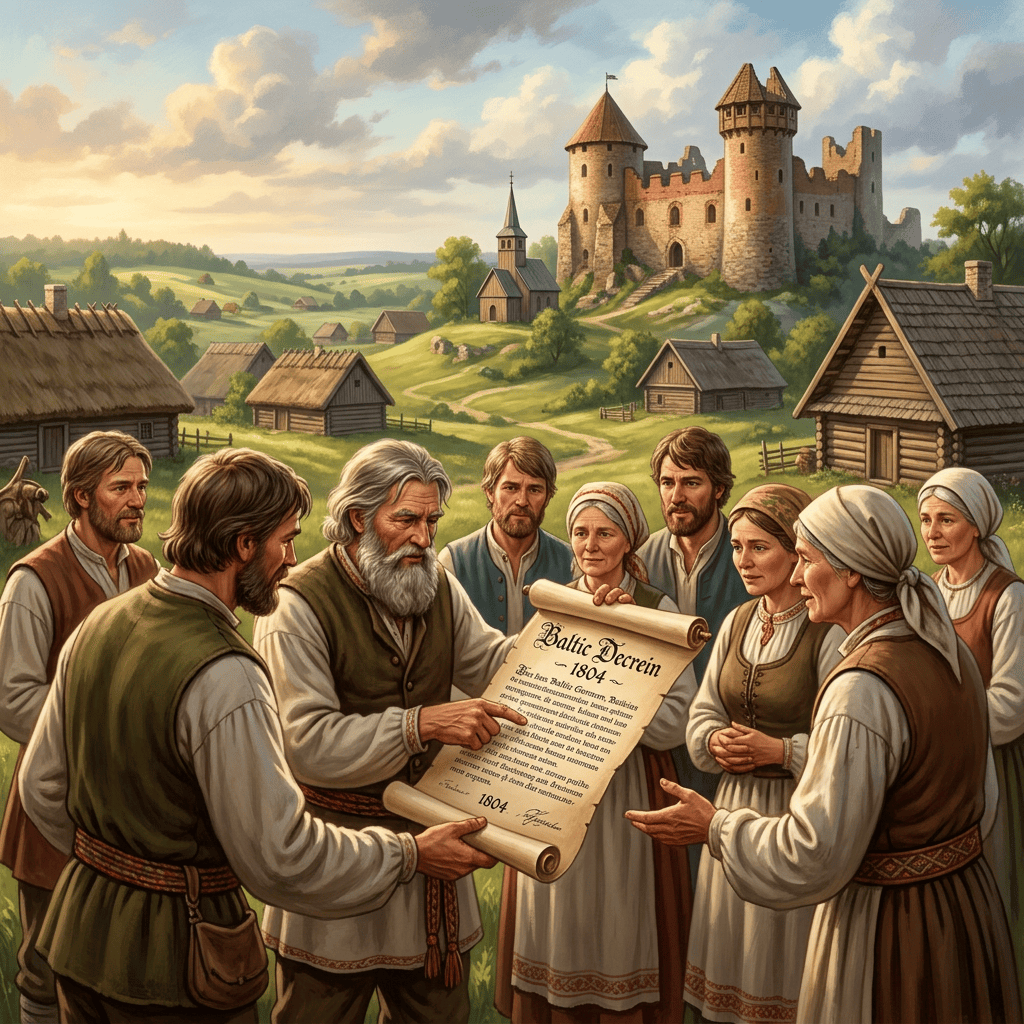
After the revolution of Cahors in October 1802, on February 20, 1804, the government improved the condition of the citizens of Lyon. Farmers sold their land because they lived on the Lord and not on their land. Farmers are divided into two groups, small farmers and medium farmers. Farmers are divided into two categories: farmers and artisans. Farmers can live with their families. The frequency and duration of the threat was documented and measured in 1809, and the king opposed the practice. It gives more rights to minorities and the public
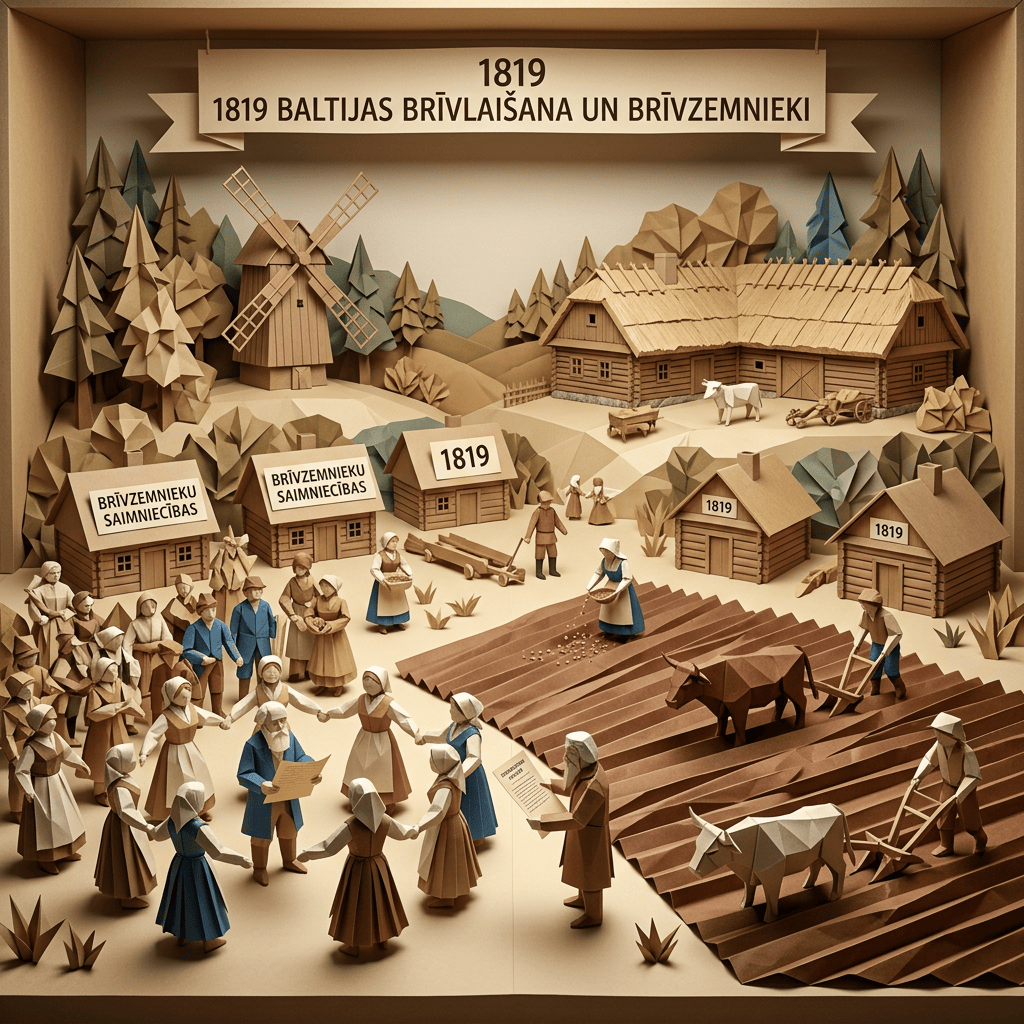
In 1816, the Estonian government enacted immigration laws following the Prussian Revolution. The authorities ordered the use of Kuzum Tena, approved on August 25, 1817, and given to Alexander Sorkor I on August 30, 1818. Independence began in 1819 and lasted until 1832. independence farm – free land. . . . But it works. . Items cannot be removed from their owners. He could not expel the inhabitants, because God does not allow them to live and move from place to place.
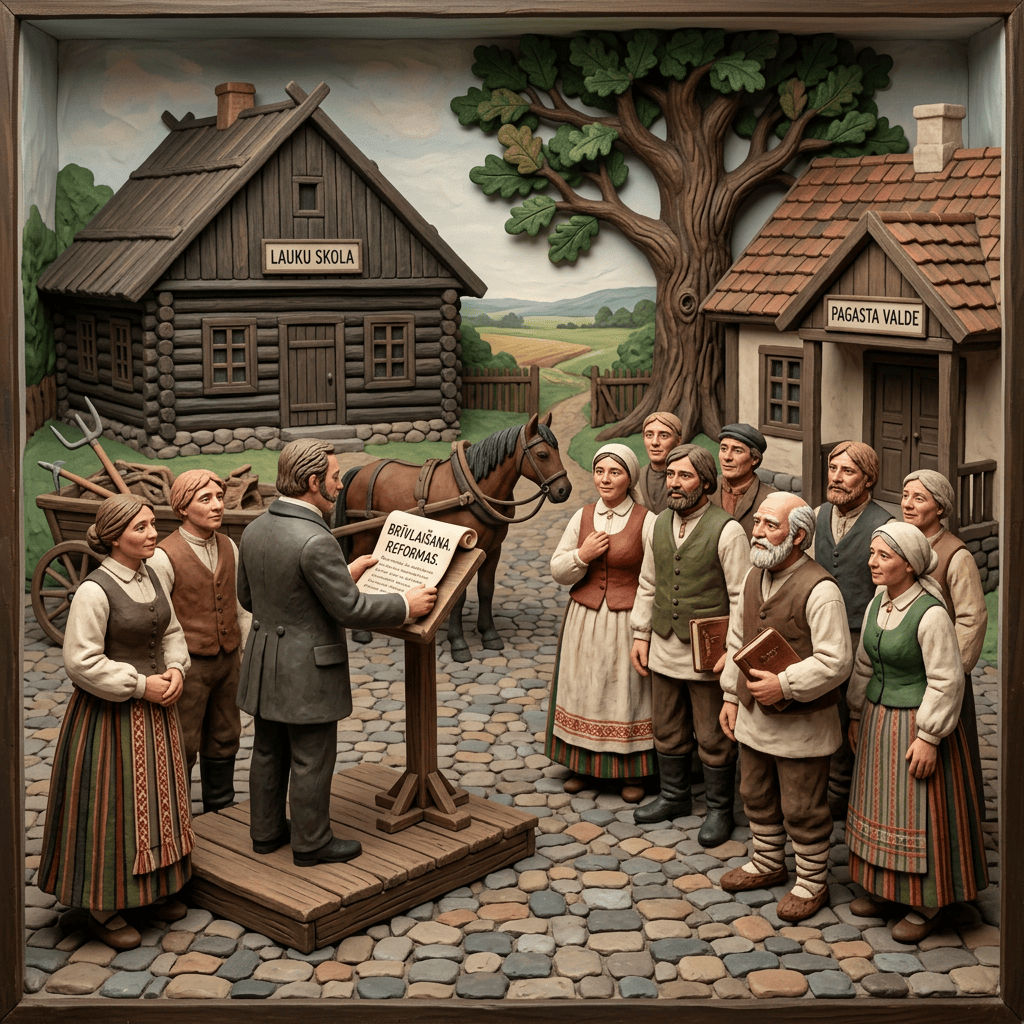
After the independence of Estonia and Kurdistan in 1819, the Treaty of Livonia was ratified in 1832 and published at the end of the century.The mission ended in 1918 and Lata was sent to the Vitebsk region of Russia. The slave trade continued until 1861, when the Russian government declared independence and began reforms.
After 1832 the villagers were allowed to live outside the town, but after 1848 the Jews of Cresfold could spend a few nights with the villagers.
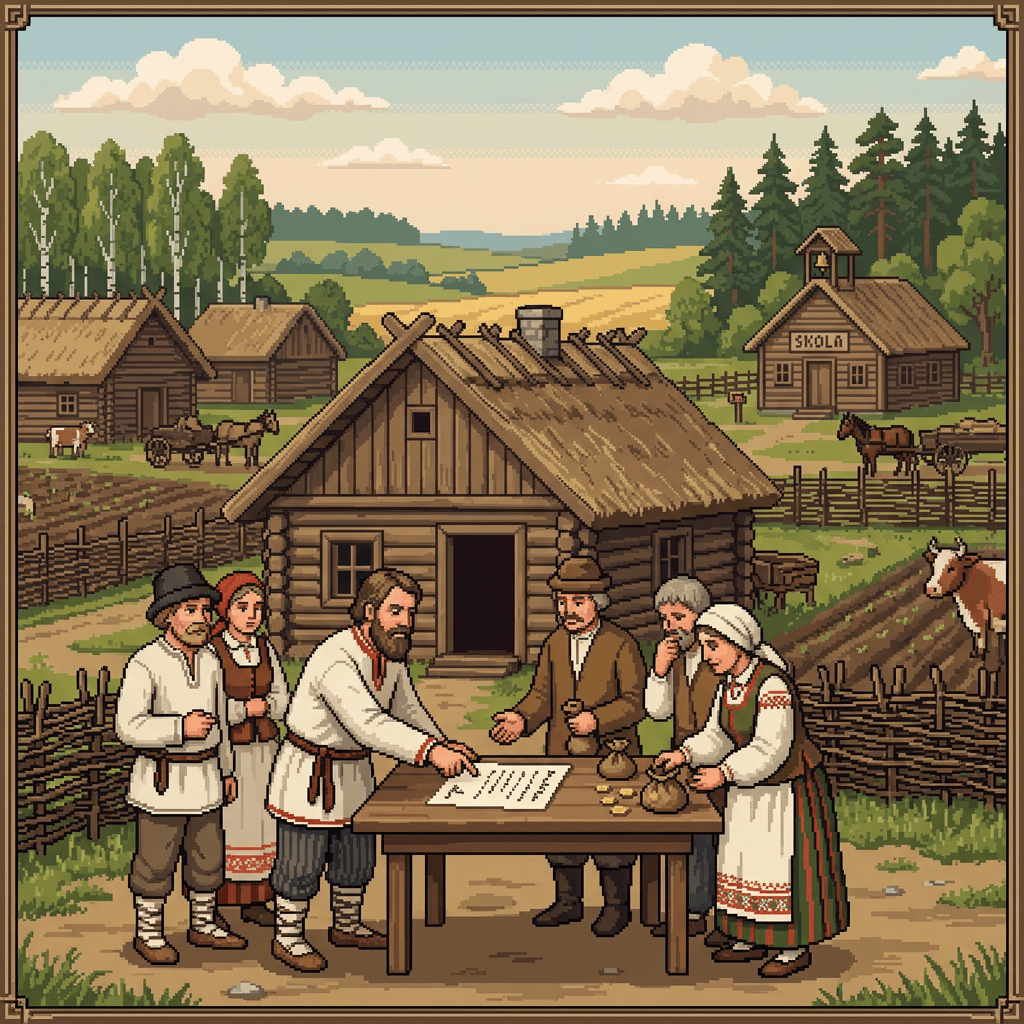
1849 The Alimony Act came into force on July 9, 1850. German citizenship was abolished on November 20, but farmers could rent or buy houses. In 1856, only 23 percent of farmers were laborers. The rest are farmers. An 1860 law that allowed farmers to buy plots. Law (1864) that allowed credit unions to provide loans to farmers wishing to buy land from German authorities. Before the First World War, 99% of houses in Cowra and 90% of houses in Levelland were sold. This is why wealthy farmers born in Latvia send their children and grandchildren to renowned schools.
In the 1970s and 1980s, many farmers who could not or did not want to buy land moved to Siberia and sold their land for free. At the beginning of the First World War, 200,000 Latvians went to work in Siberia.
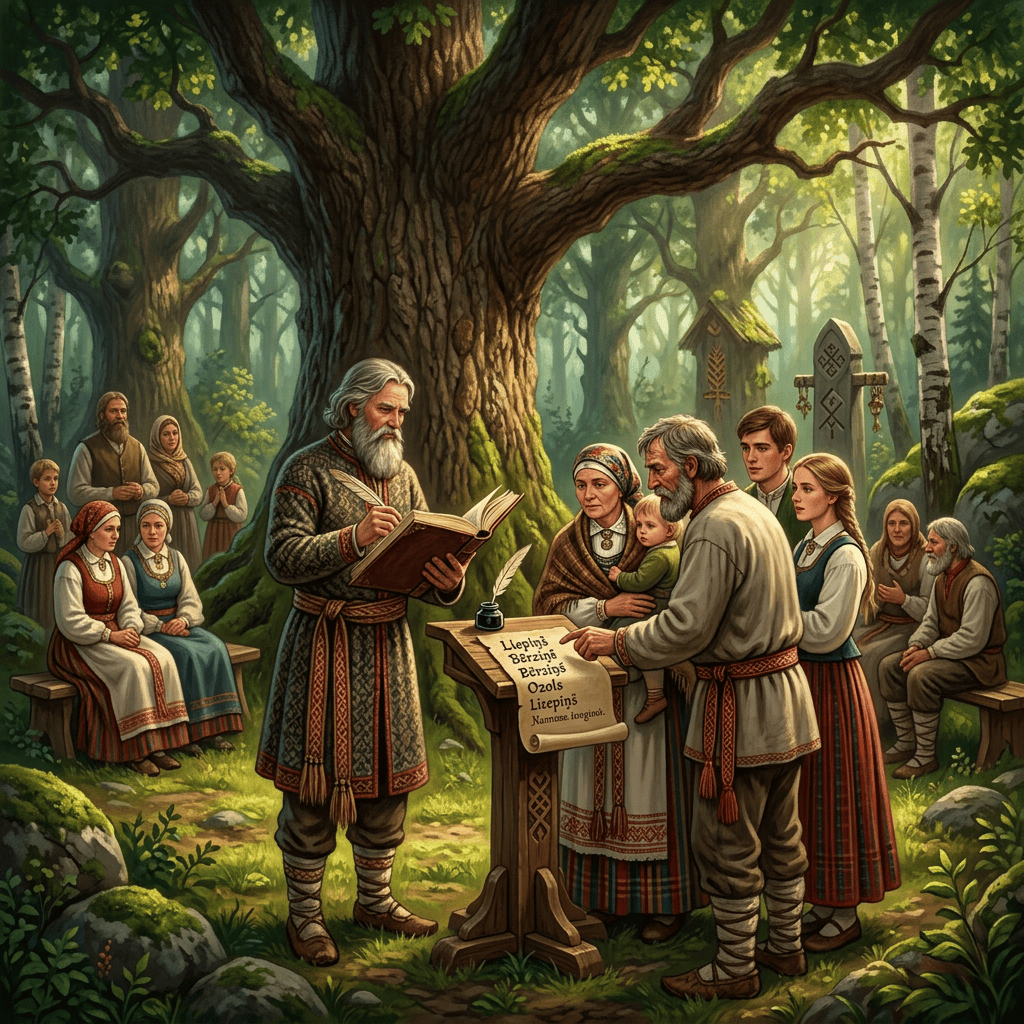
Latvian names date back to the 18th century, but are better and easier to pronounce than German ones. In the 19th century, some peasants received the title of king, but many received the title before peasants. Most people know the name of the house or the name of the place. Provide personal and family information. Between October 1834 and July 1835, Lyon farmers were forced to choose a surname until 1826, but during the legislative war they chose another common word: Ndege (mountain), Collins (mountain), Collins (mountain).
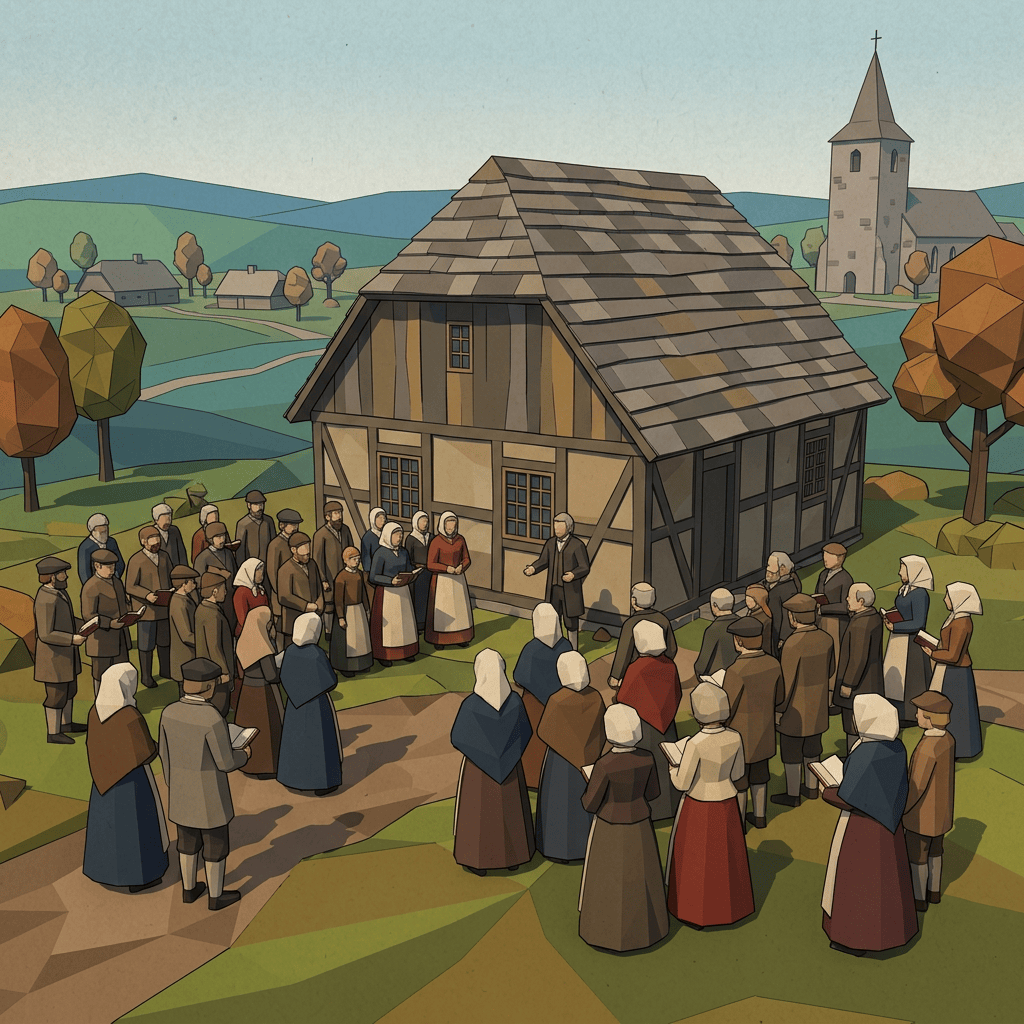
Most Lithuanians are Lutherans and Catholics, but his brother John founded a church in Vermila in Livonia in 1729. The Moravian Empire lasted from 1743 to 1764. They both served and trusted the German king. Lithuanians working in their country support their church. After slavery was abolished in Louisiana in 1820, the church’s work increased. We have over 100 articles and over 20,000 members.
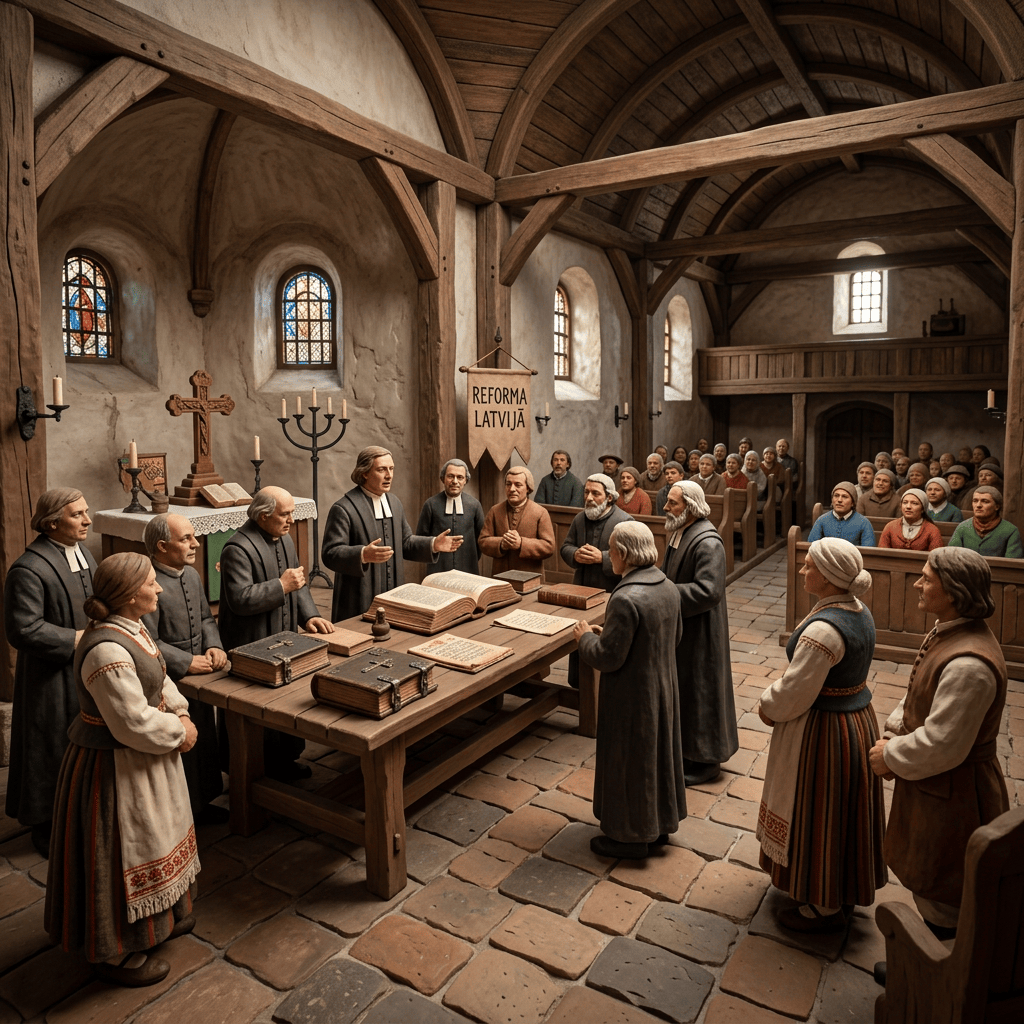
As part of the reform process in Russia, the king supported the Russian Orthodox Church, but outside of Latvia. The main religion is evangelism. This is the teaching of the Catholic Church as taught by Protestants, Methodists and clergy.
After the fall of the Russian Empire in 1571, the former two countries became republics. The first Jews were invited to live in Wharton and a Jewish community was established in Khorezm.
This book was written after the slaves were freed. Latvia is starting to change the country. Lithuanian leaders did not like Germany.
In 1822, the first Latvian newspaper, Lett Avia, was published. In 1832, Tessa Ledovich discovered the elixir. In 1839, Jens Samias founded a school in Valmer.
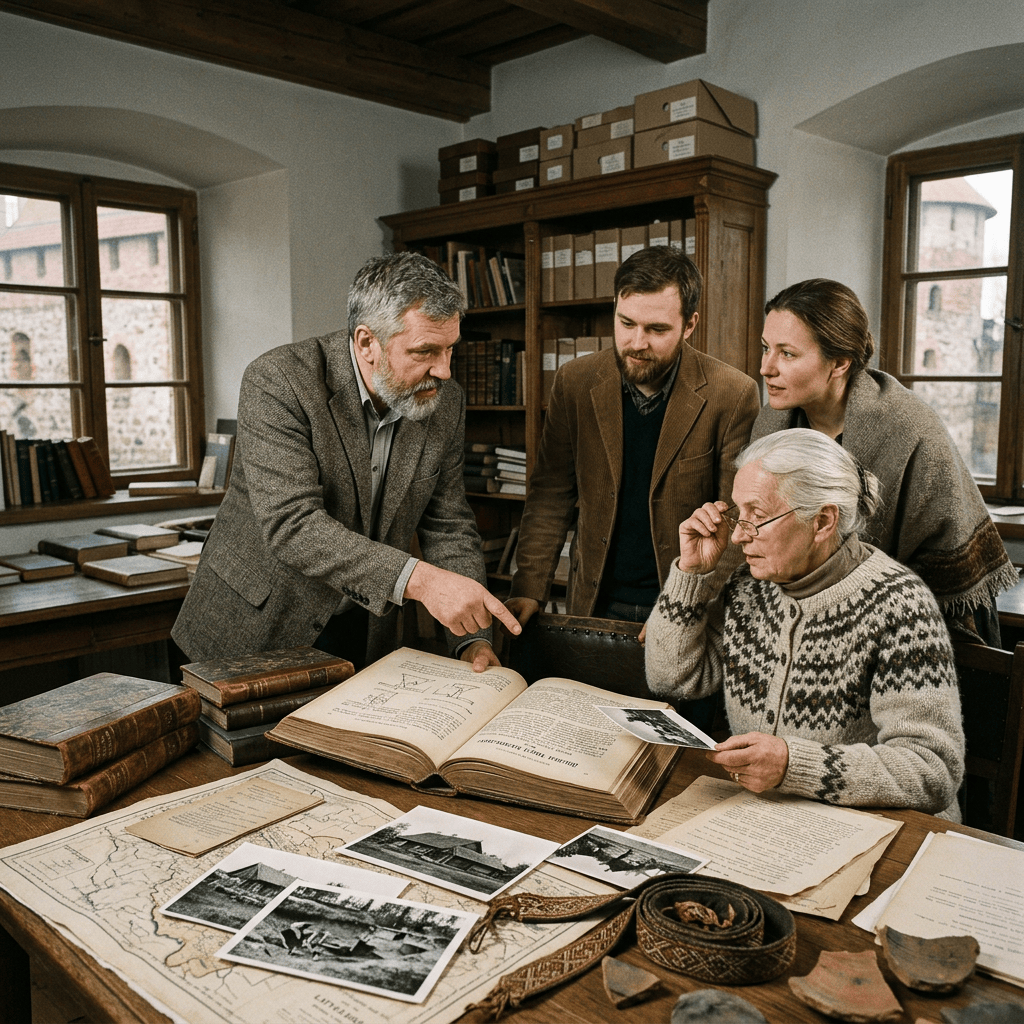
Between 1850 and 1880, discussions among Latvian scientists began at a conference led by a young Latvian (Jan Latfia). . At the beginning of the 20th century, when the idea of unification became known to the Latvian people, it gained political influence, especially in literature and culture. This young Latvian began to study Latvian history (see Latvian, Denmark) and ancient religious beliefs.
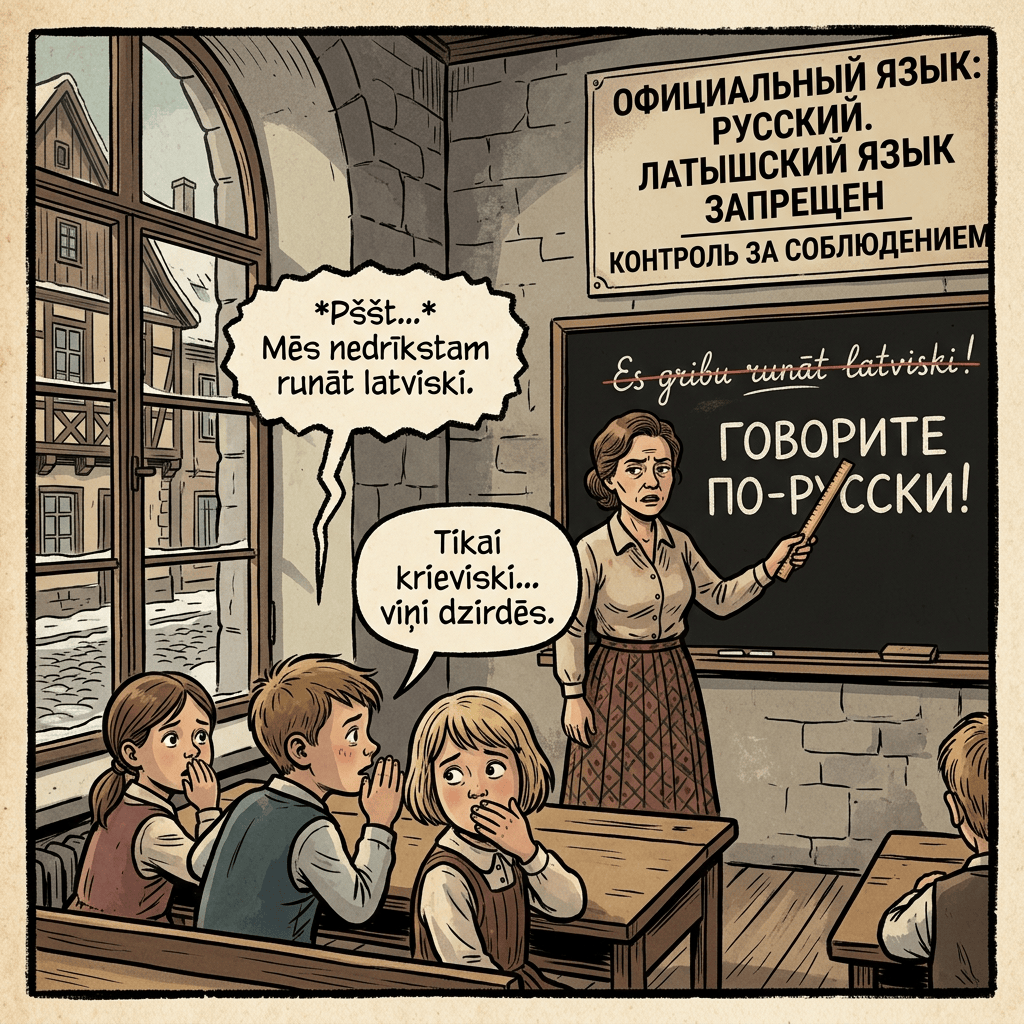
Third, during the 1880s and 1890s Alexander pursued a policy of limiting German influence on Russia’s Baltic coast. The purpose of introducing Russians into governance, decision-making and education was to limit German power. This law created a new culture in Latvia and banned the use of the Latvian language in public. Especially at school
The education system contributes to poverty in rural areas, especially in Riga. Ron and his friend Petrus Stojas (editor of the Lava newspaper) became Marxists and heads of the Lithuanian Institute in the late 1980s. Communist Party. Until his death in Moscow, Steka remained a member of the Democratic Party and, together with Lenin, established the first Bolshevik government in Latvia.
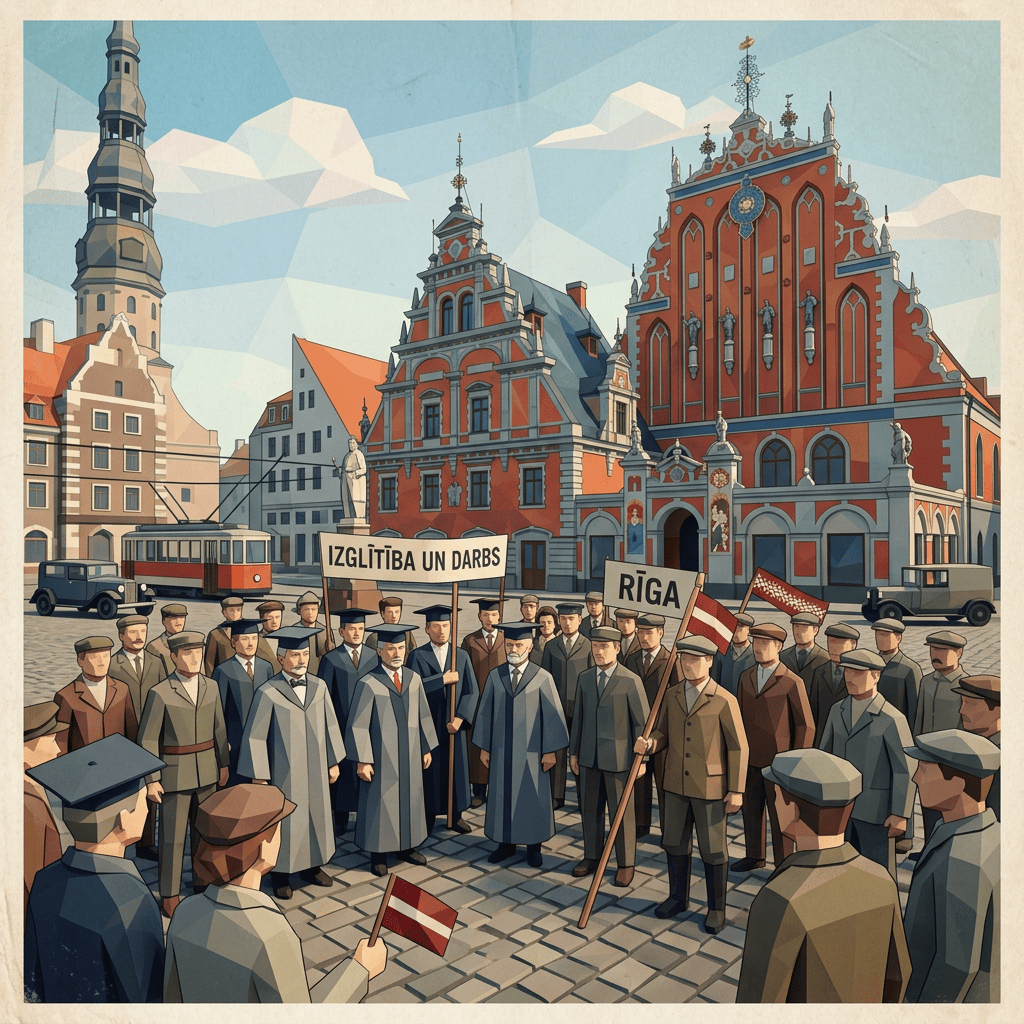
After the 1905 revolution, Latvia entered the 20th century intact. This December War was not just a colonial war. But he was against the German government. Since a large number of Baltic Germans live in Latvia (about 7% of the population), they are considered Russians and subject to Russian law. Then they began to influence the Latvian government. Then he became stupid and became poor. This applies to office workers and other skilled workers. There are many farms and companies in Latvia. Because Latvians are dual citizens of their country. So your knowledge is valuable. This culture began with Peter the Great and Moscow, and by the end of this period more than 90% of Latvians were educated. Latvia is a poor country in this regard. At that time, the government of the Latvian Social Democratic Party (LSDSP) was in power in Latvia, which was the most difficult government in all of Russia.
On January 9, 1905, after the murder of S. Petras Polito, a rebellion broke out in San Pedro. Petersburg. Saint Petersburg. They have 73 in St. Petersburg and Riga.
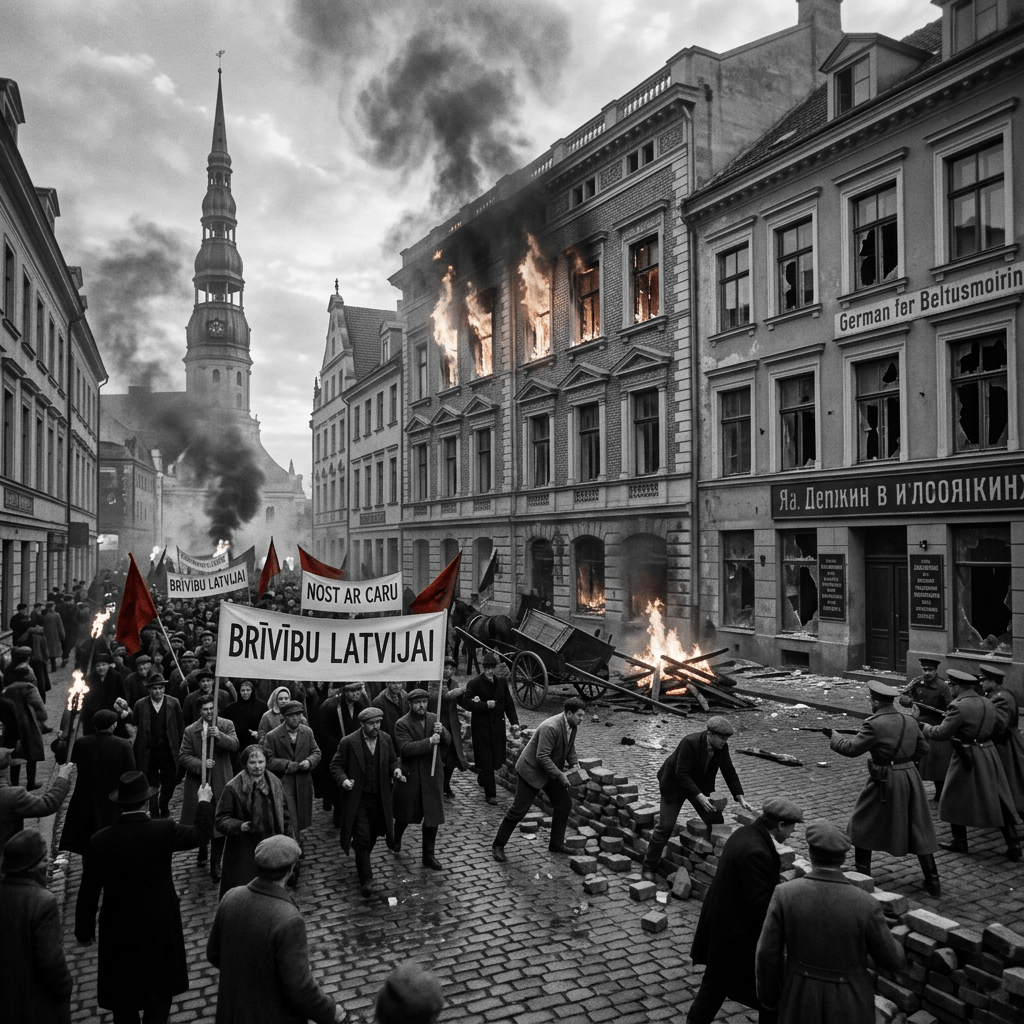
In the summer of 1905, trouble arose on the island. There are 470 new members in parliament, which represents 94% of all members of parliament. As protests, riots, arson and looting continue against the German government, parliamentary elections will be held in Riga in November. 449 German cities were reduced to ashes
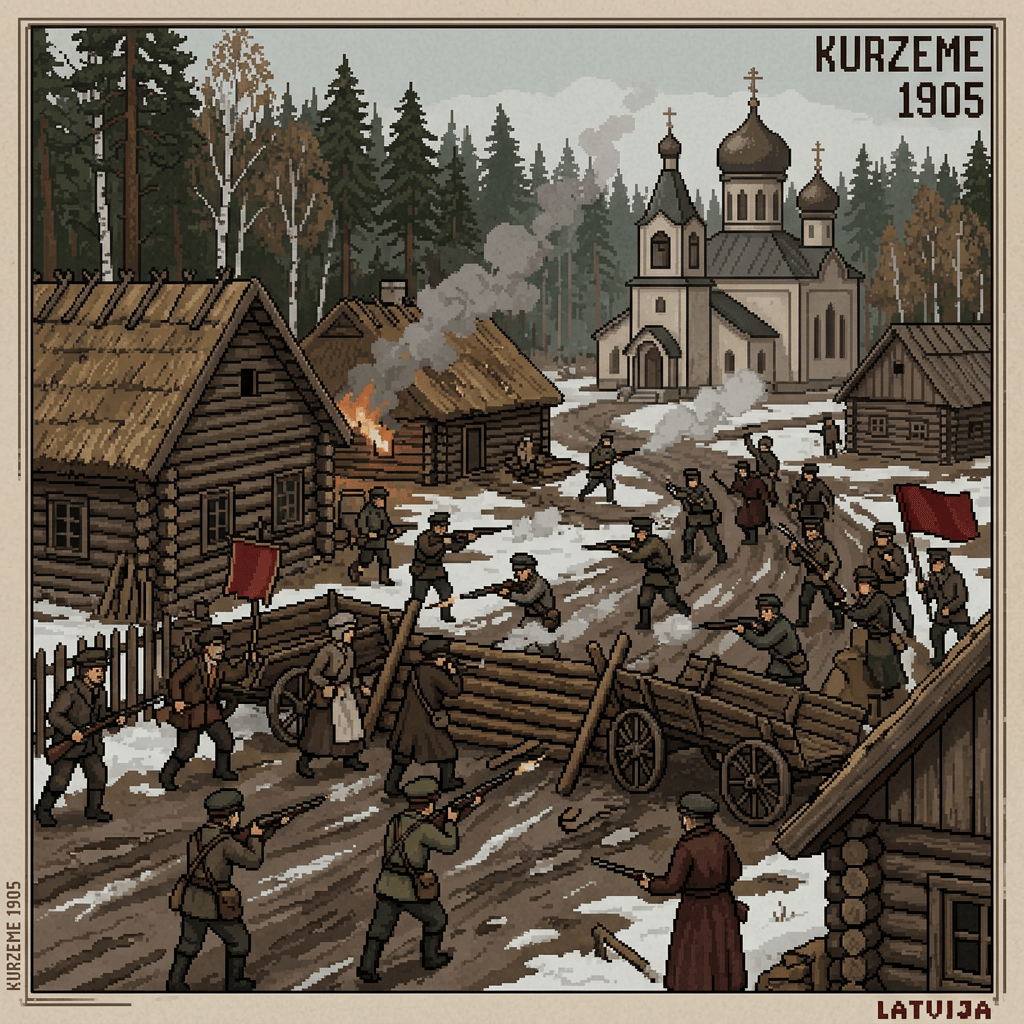
In 1905, at the end of 2008, there were battles between German and Latvian troops near Wisma and Kurlandia on the Rosen-Varna road. Latvia was attacked with a thousand guns.
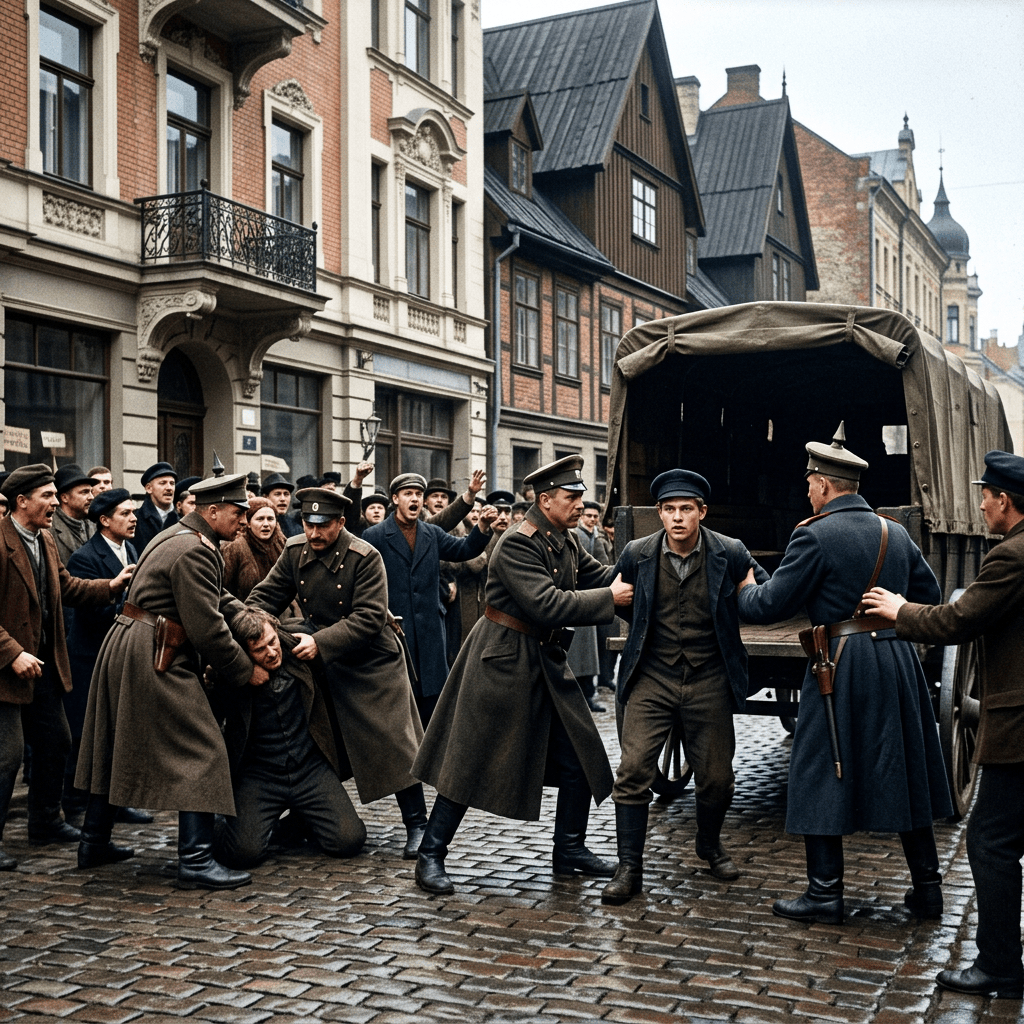
In August 1905, at the end of November, a state of emergency was declared in Colma and Payama. In mid-December, German, Bosnian and Baltic forces were sent to meet the advance. 2000 people died from this disease. 300 apartments and offices were burned. It does not require much current. In 1906, 427 people were killed and 2,652 captured in Siberia. In 1906, more than 5,000 people were sent to Western Europe and America. Although the revolution failed, protests and uprisings continued until 1907. On January 17, 1906, he and his son freed their friends who had been arrested for robbing a bank in Riga. Market Street, London.
Prime Minister Karis Germanis, famous singer Janis Lenis, former Czech President Jakub Petri. Join runners and activists from left and right. Fight for Latvia’s future next year.
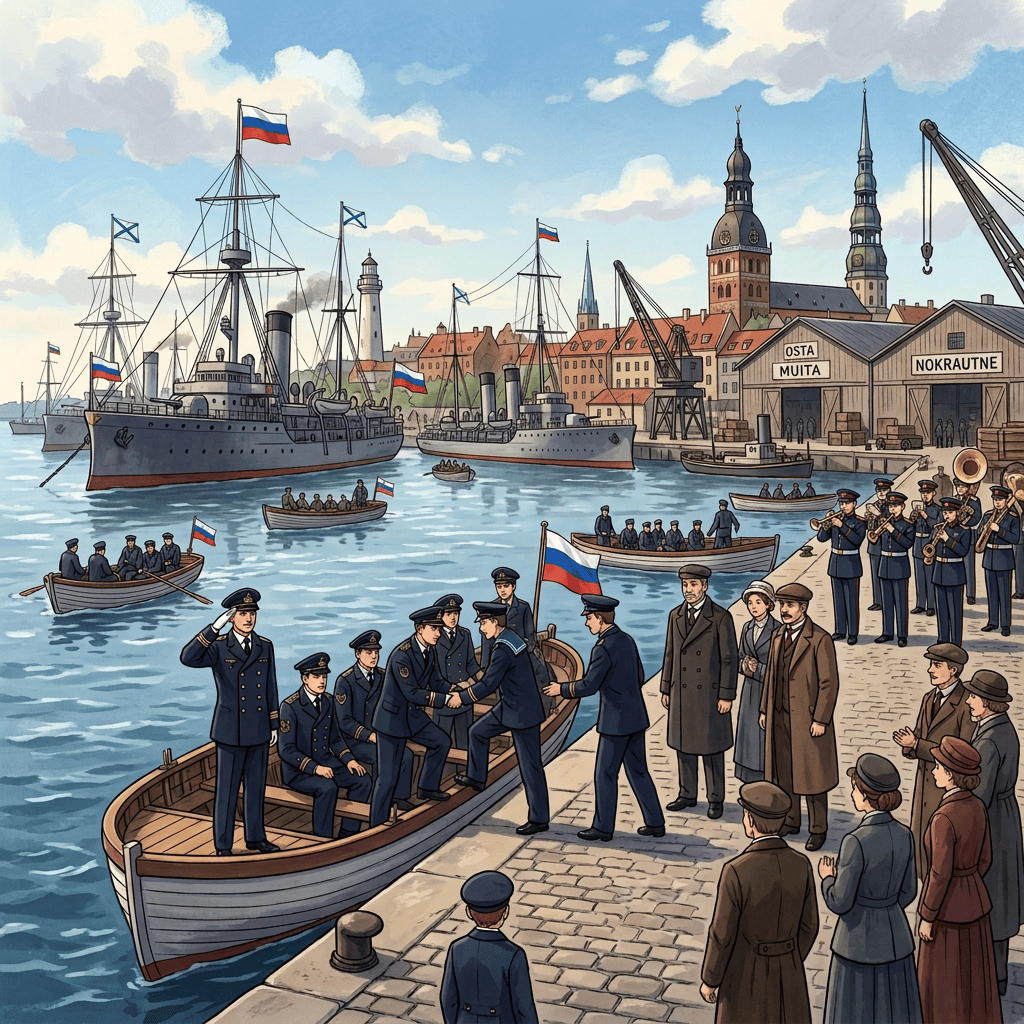
Germany declared war on Russia on August 1, 1914. When Duke Kurin arrived, there was war on the German border. On August 2 last year, the German ships SMS Augsburg and SMS Magdeburg suffered minor damage in the port of Paia. But it was destroyed by German bombs. In October, on 17 November, the British Baltic cruisers HMS E1 and HMS E9 arrived at Lipe. German troops occupied Lippe and camped at Krast.
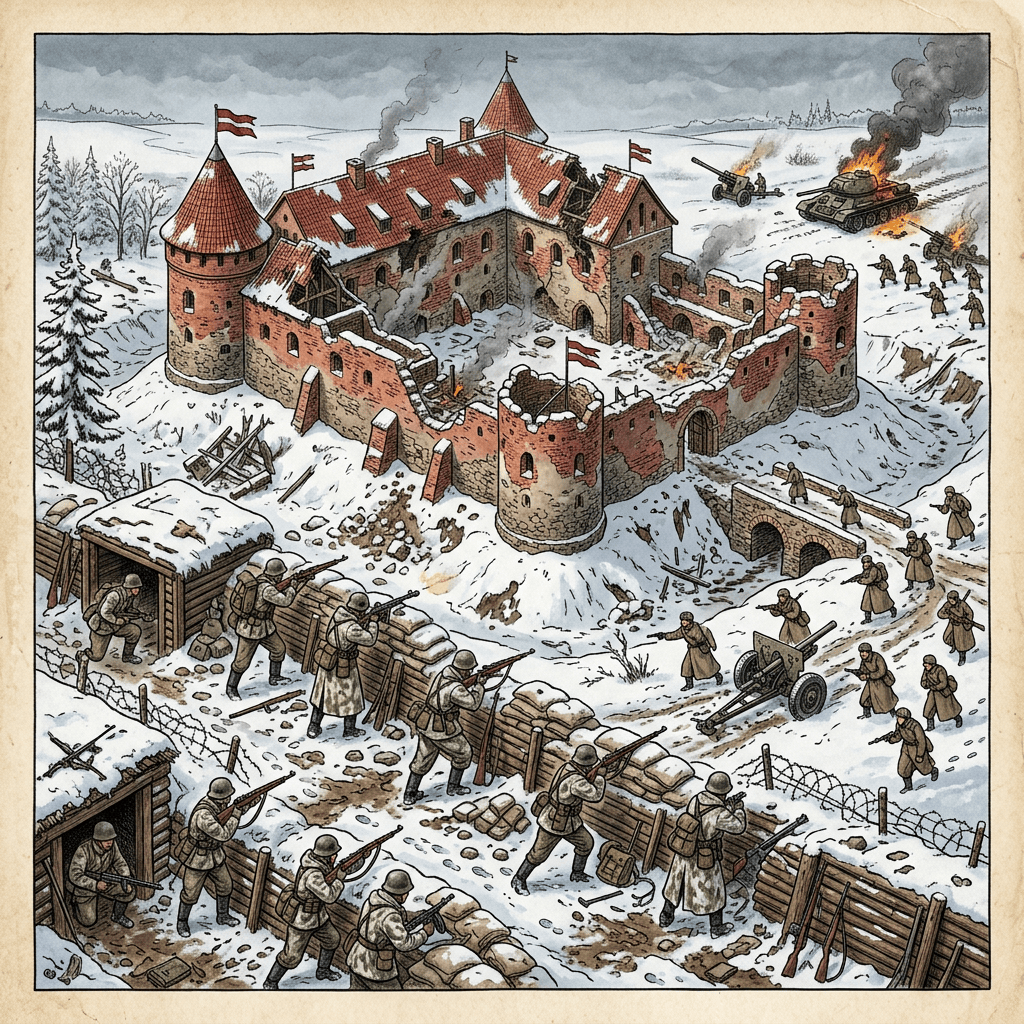
Many Lithuanians worked in Russia on the German border and participated in the war against East Prussia. He participated in the Last Battle of the Missouri River, the Second Battle of the Missouri River, and the Battle of Augusta.
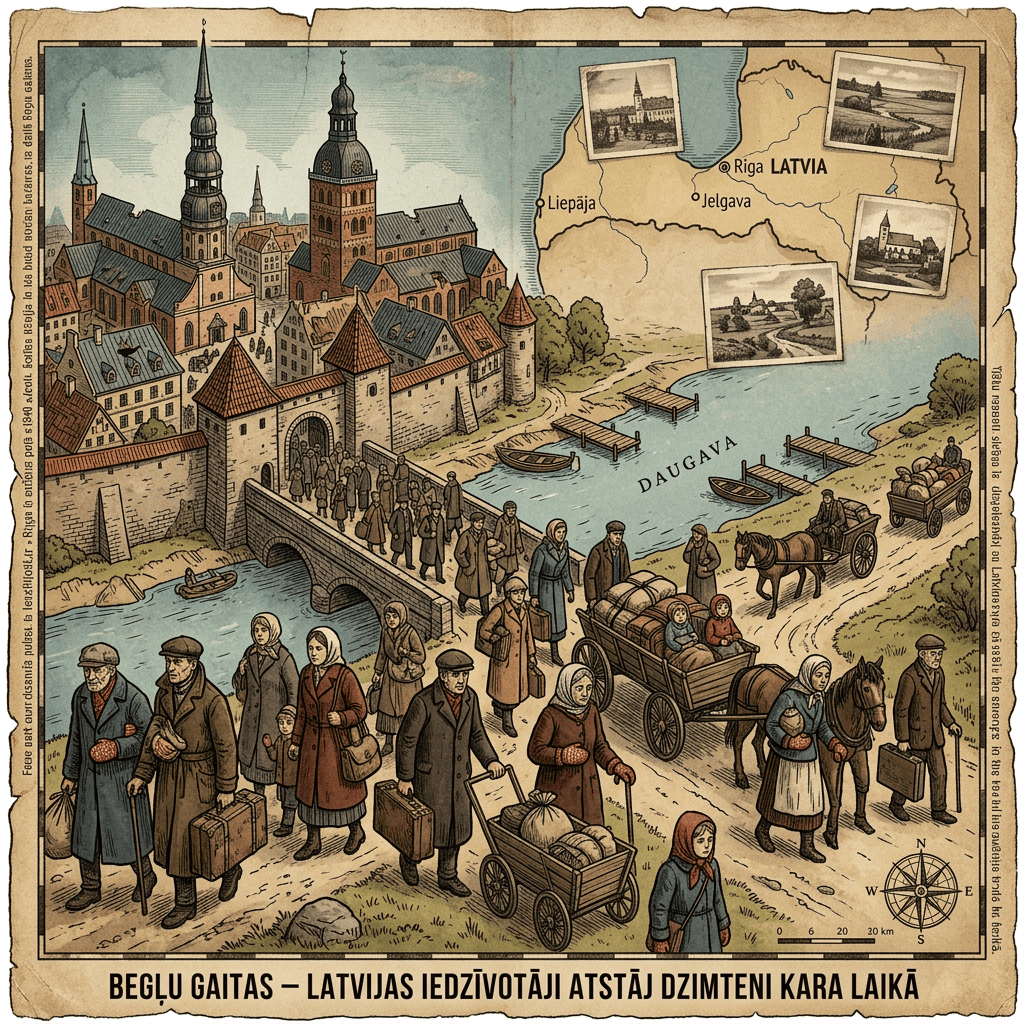
In May 1915, riots broke out in many parts of Latvia. On April 30, Russian police ordered all Jews to leave their homes within 24 hours.
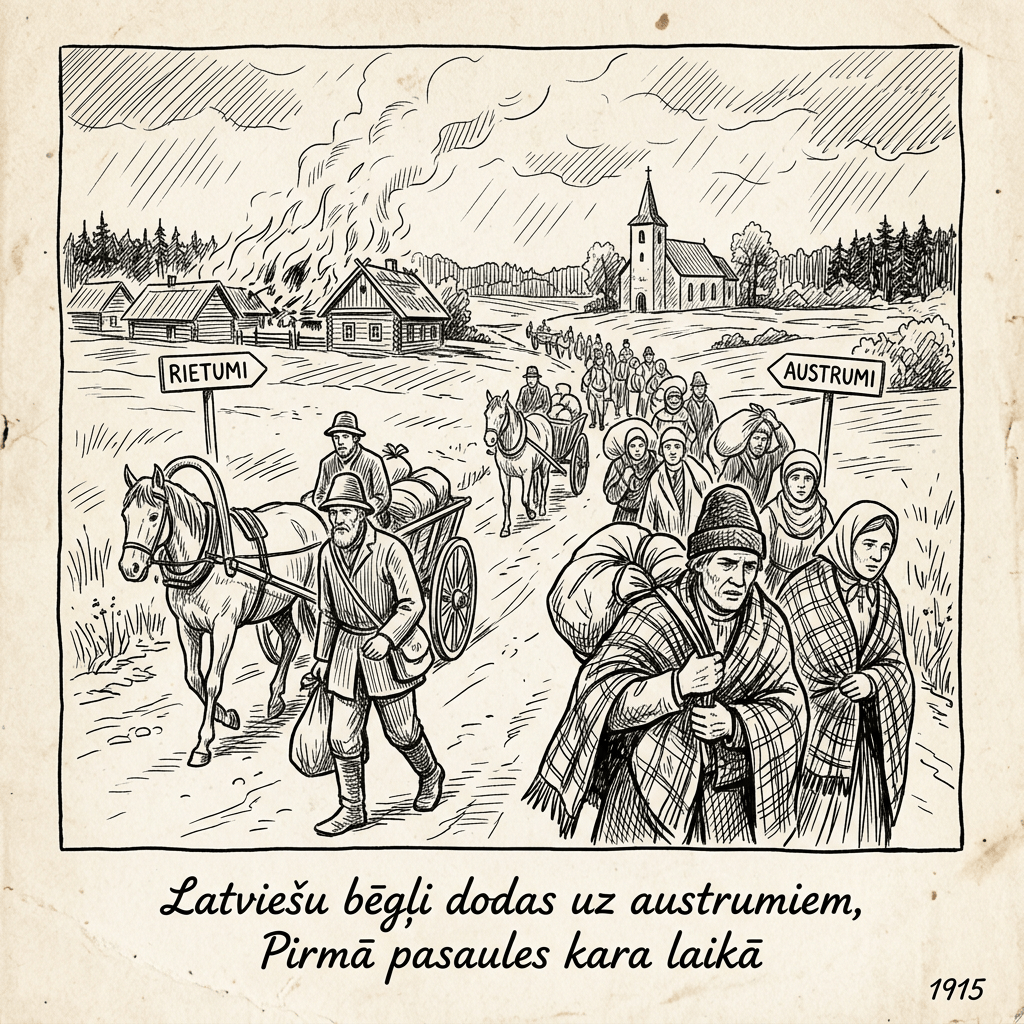
June 29 The Russian government ordered the evacuation of Gorland residents. About 500,000 refugees fled to the east. The soldiers cut down trees and houses to prevent them from falling into the hands of the Germans. Some escape routes are more difficult. However, many went to Russia. They suffer from poverty, hunger and disease. In August 1915, politicians Alois Poe and Willis Olavus Wiens (later Arvids Briggs) founded the Latvian and St. Petersburg Refugee Committee. The committee drew up the constitution of 54 towns and built 25 schools. Most of the refugees returned to Latvia only in 1920, when Latvia signed a peace treaty with the Soviet Union. Many Latvians held military and political positions in the new Bolshevik government. But Stalin killed him in 1937-1938.
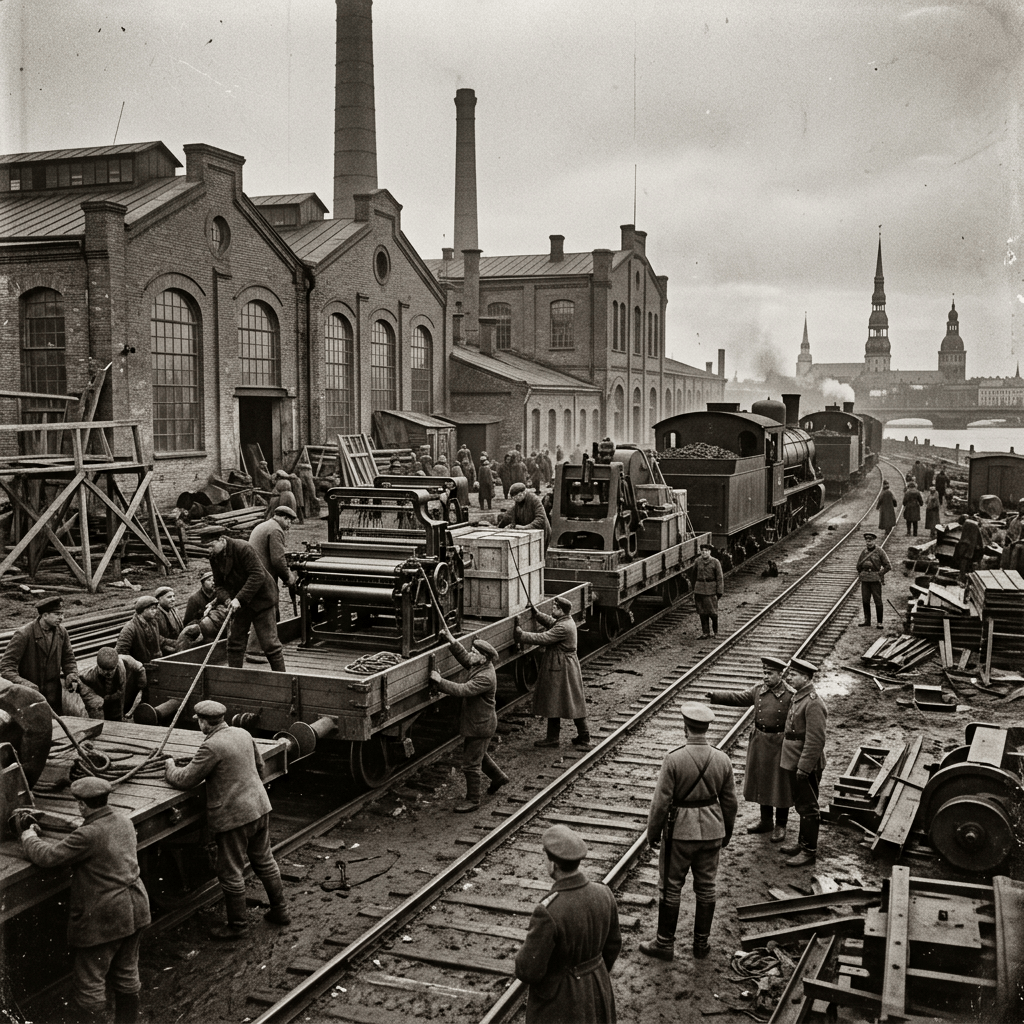
On July 19, 1915, the Russian Ministry of Defense ordered factories and workers to leave Riga. In the summer of 1915, 30 cars and electrical equipment were stolen, and Riga’s population was reduced by 50%. This policy greatly influenced Reagan and created a stock market in the Soviet Union.
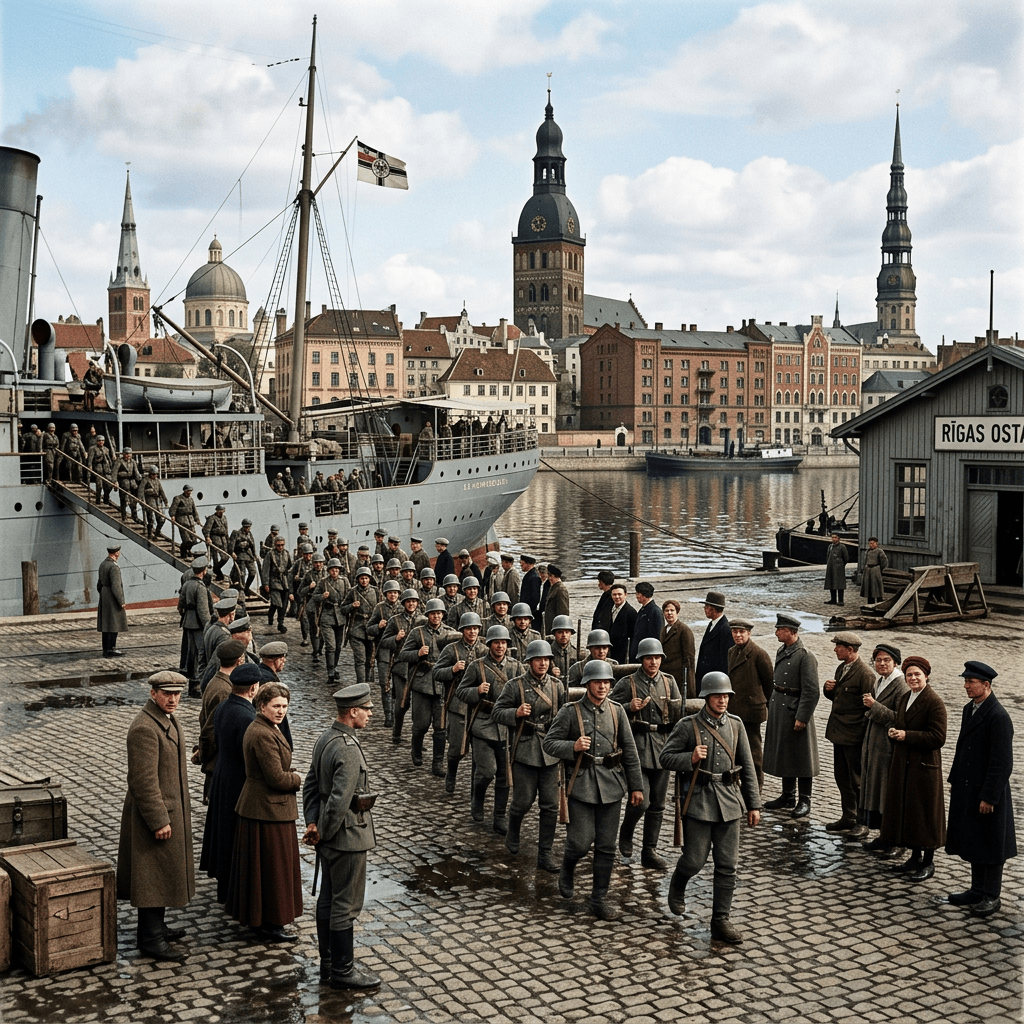
On August 1 of the same year, Sirgan was captured by German troops. Visit the capital Corinth. The Battle of the Gulf of Riga will begin in a week. Germany was defeated on October 23, German troops entered the city and attacked the British military base.
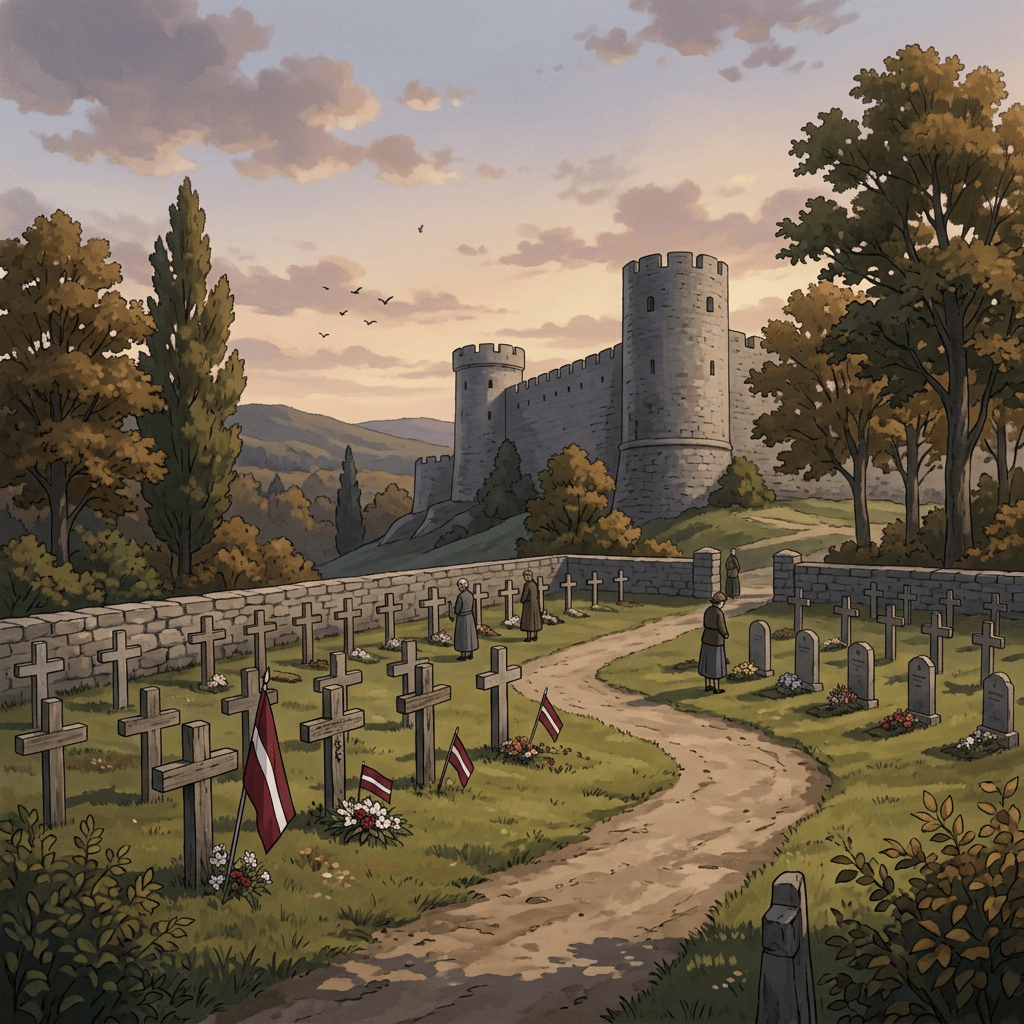
After the German occupation of the villages of Wbles, Taras, Tocums, and Ventspils on July 17 and 18, 1915, Council member Karla Scarby issued the necessary statement. Flights to Latvia ran from 1915 to 1917 from the New Tsar fortress. (Death Island) and since December 1916 the Russian army has suffered heavy losses. In January 1917, many people were buried in the new cemetery – enough.
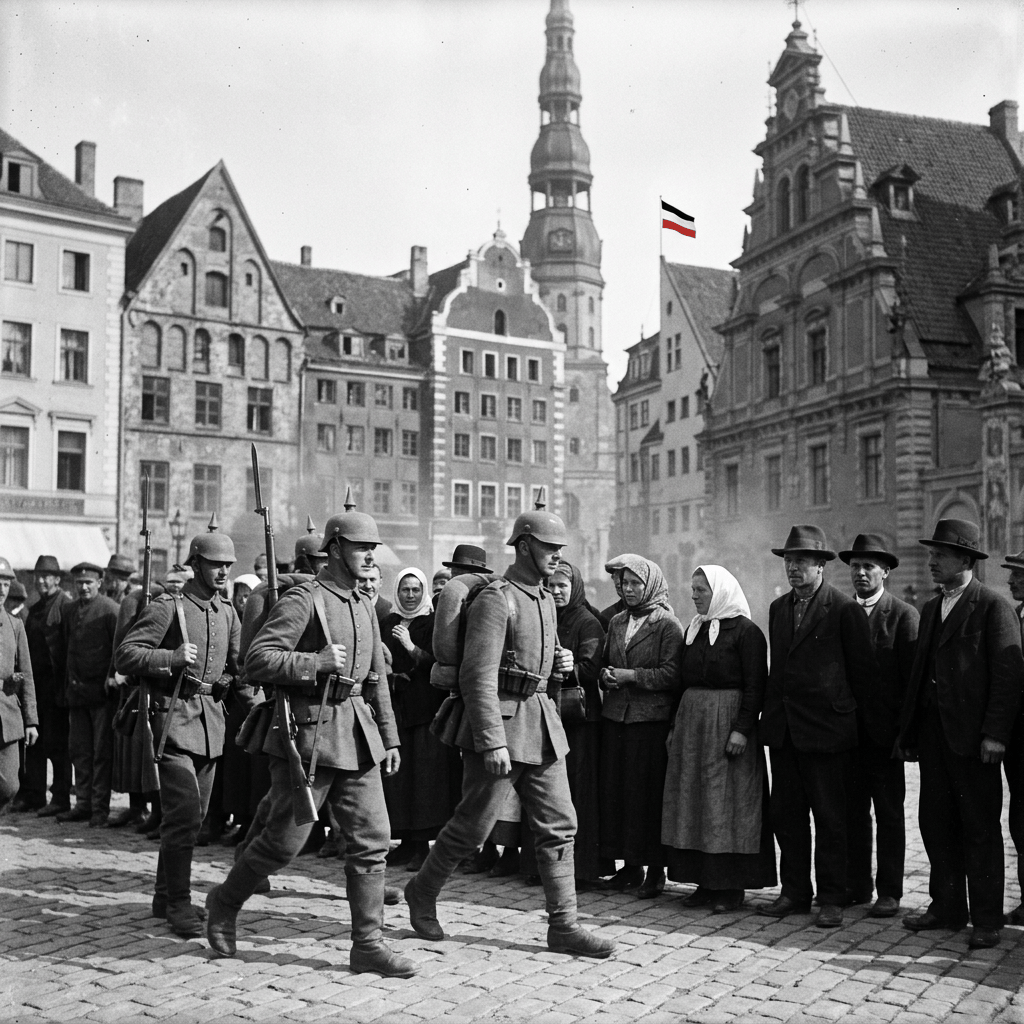
After the First World War in 1915, the Russian army began to process fish until 1917. At that time, most radicals were loyal to the Bolsheviks. The last German offensive was successful and Riga was captured on September 3, 1917.
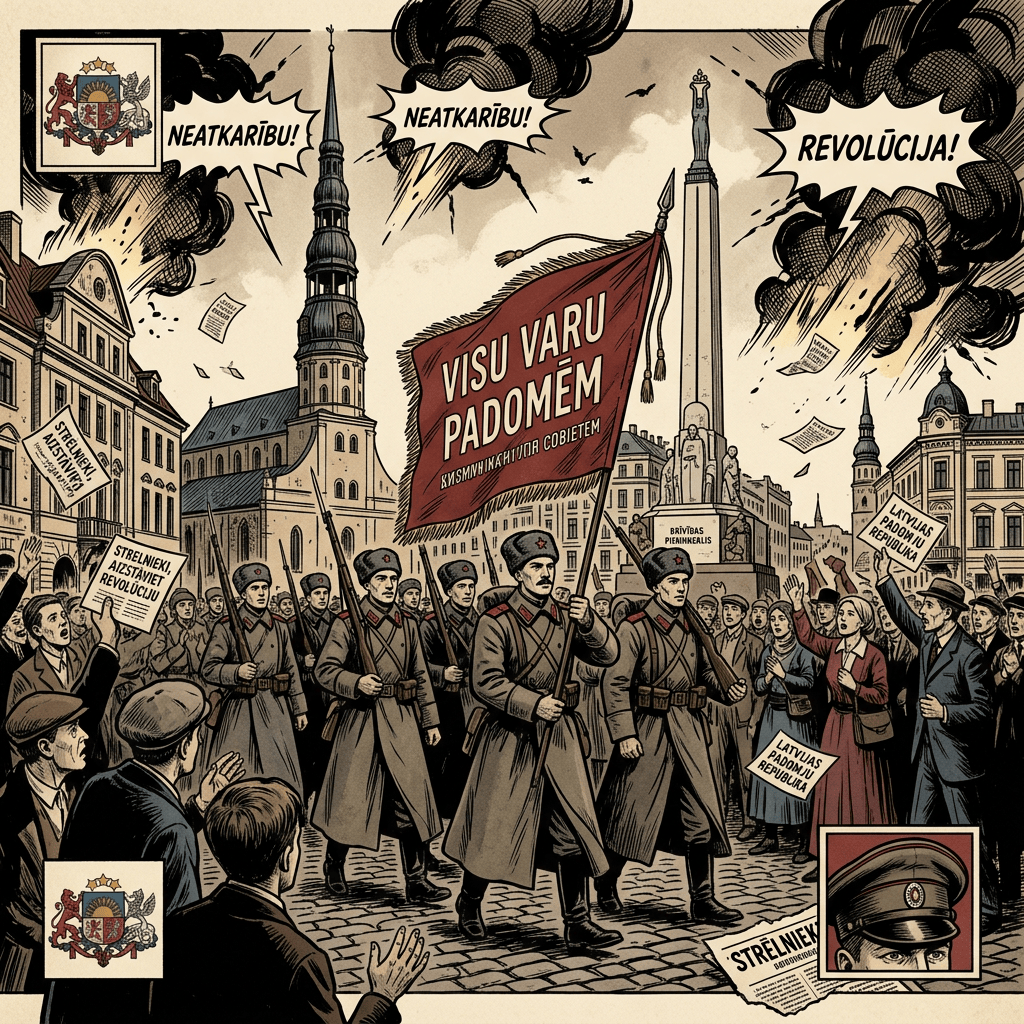
In November 1917, the Bolsheviks took power in Russia. Although the Latvians remained in the Soviet army (especially the Latvian army, Sakums Vetis), the Bolshevik government tried to end the war in March 1918. Brest-Litovsk took control of the Baltic Sea – integration and power, of course. He was a friend of the Prussian royal family.
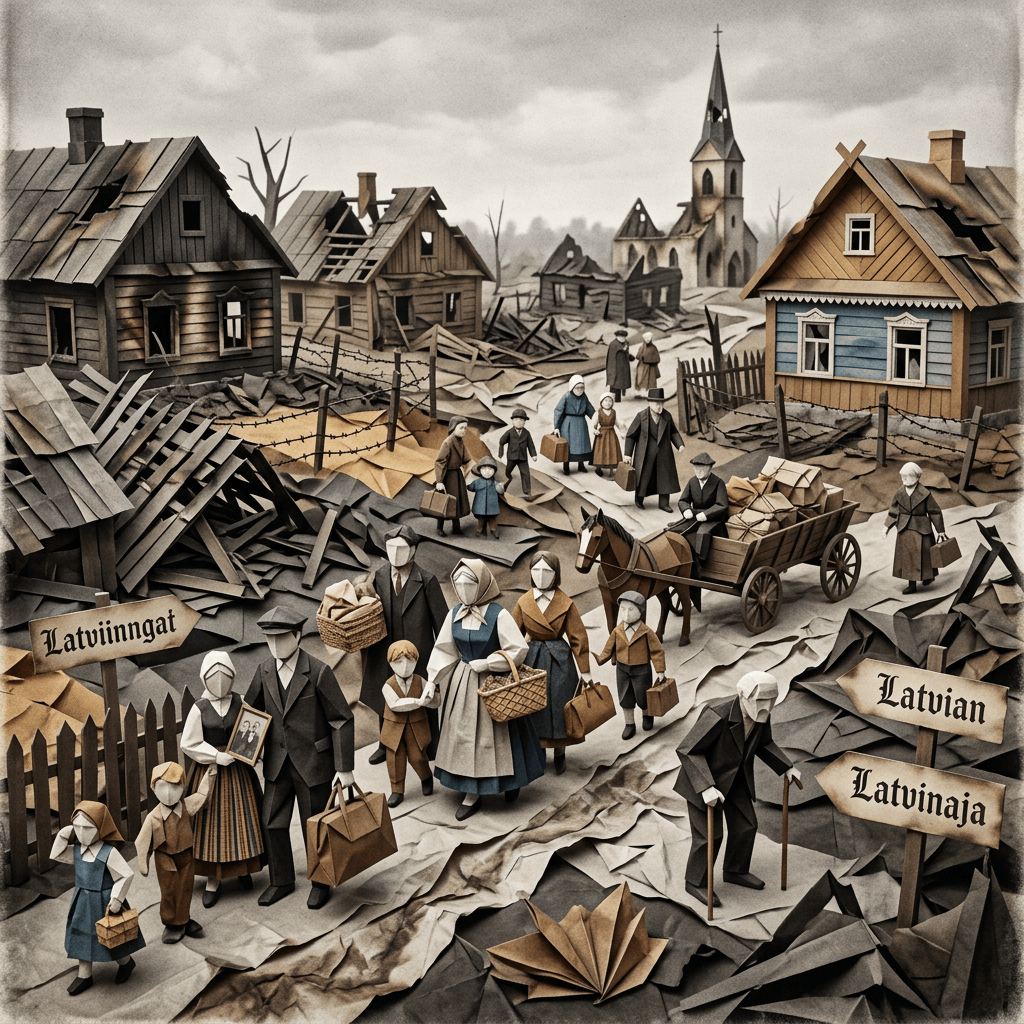
According to the 1920 census, 56.7% died after the war. In 1914, the population of Latvia fell from 2.55 million to 1.59 million. 87,700 houses were destroyed, 27% of agricultural land was flooded. When the city reached Russia, they killed 25 thousand farmers, 70 thousand horses and 170 thousand cows.
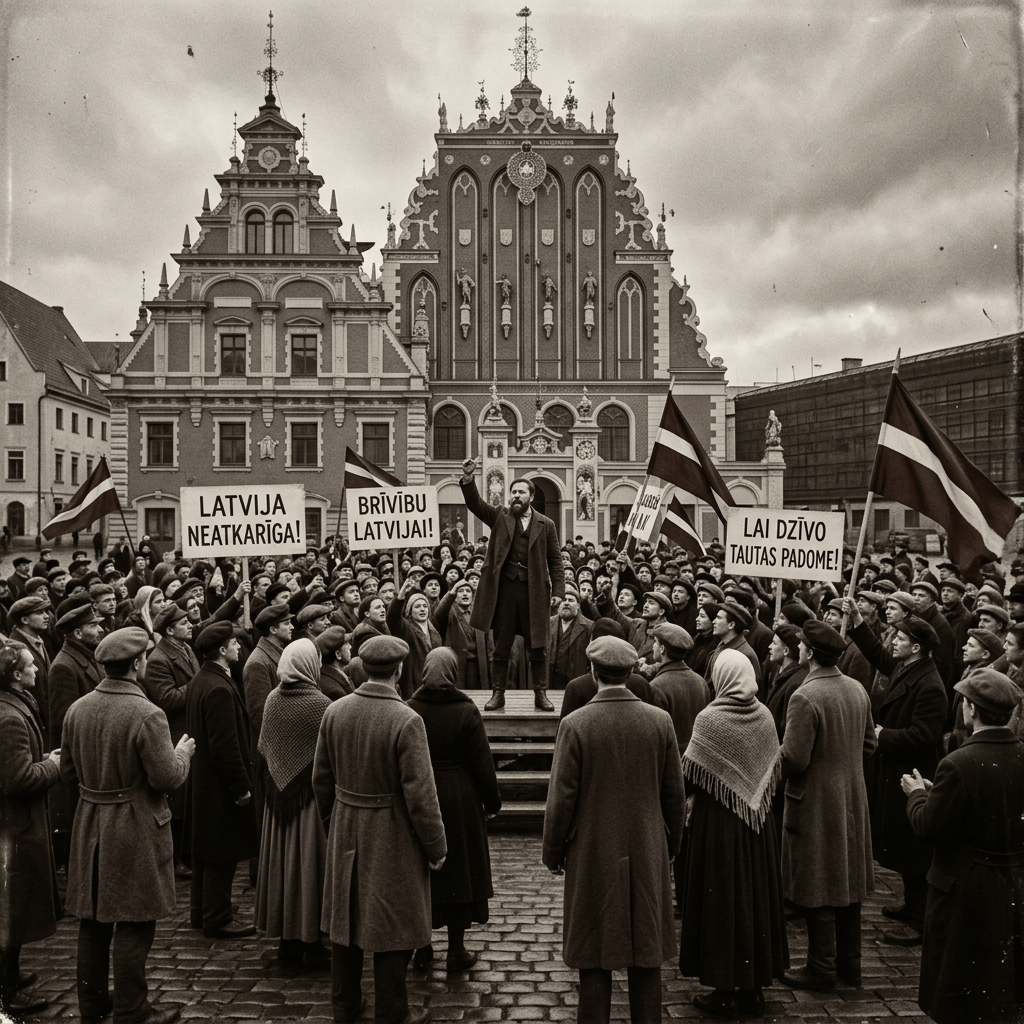
After the February change to the Russian government, many Latvians do not expect their country to join the Russian government. History: Latvian Independence Day – Independence from Russia 12-13 years. In March 1917, the Vadim Mosque was dedicated by the city of Taj Mahal. Here the tables are dominated by Germans. We manufacture sealed and reusable Coronet bottles in Germany. The light of the Vitebsk region is ready to connect all of Lithuania. (Latvian-Lithuanian Union and Lithuanian-Baltic Union) This happened after the Bolshevik Revolution.
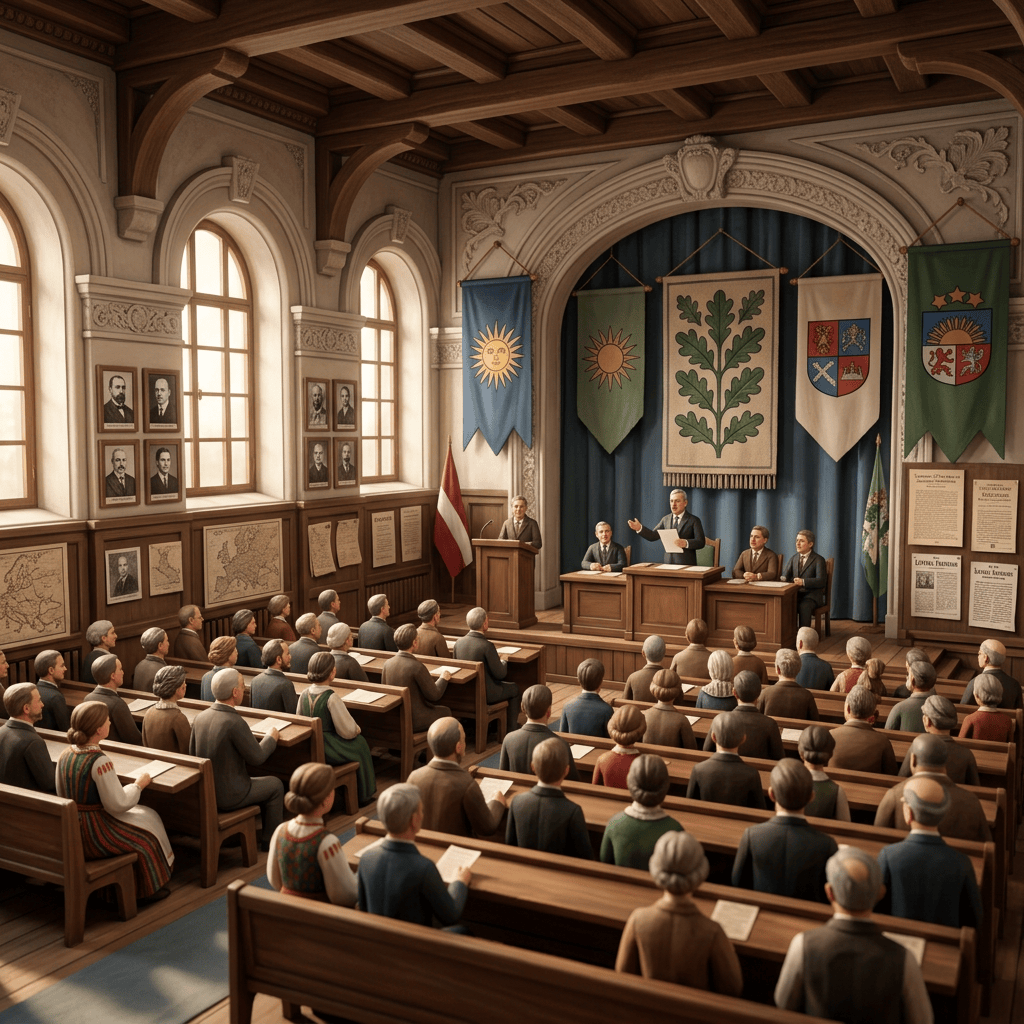
On July 5, 1917, the Russian government supported the late government and managed the area and divided it into Vesim and Krem areas. As a result, the Lithuanian people produced many leaders in the country. Celebrate St. Petersburg on August 12, 1917 on the street. St. Petersburg Union. St. Petersburg wanted independence and established a permanent government. The Bolsheviks met at the Riga Congress in St. Peter established a temporary government. “Headquarters”, “Latvian Army and Mission”
When the Germans occupied Riga on 3 September 1917, Witt returned and occupied it. Germany this year
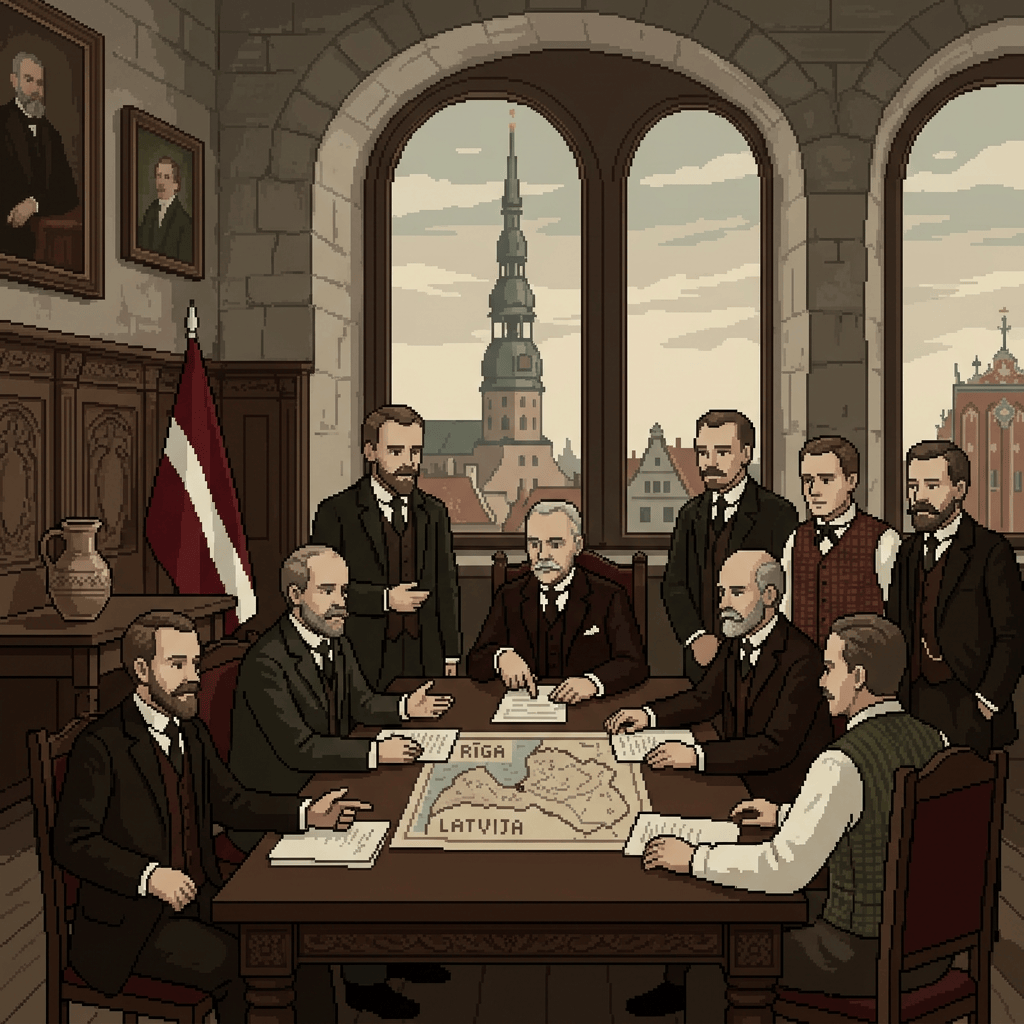
On September 14, 1917, the Latvian Social Democratic Party, the Latvian Agricultural Union, the Little Republicans and the Communists formed the Democratic Union Party and moved to the German-occupied north after their first meeting in Riga. Some buildings need renovation, reopening of schools and restoration of free newspapers. The Democratic Party is not a political party, but a political party united by a common goal.
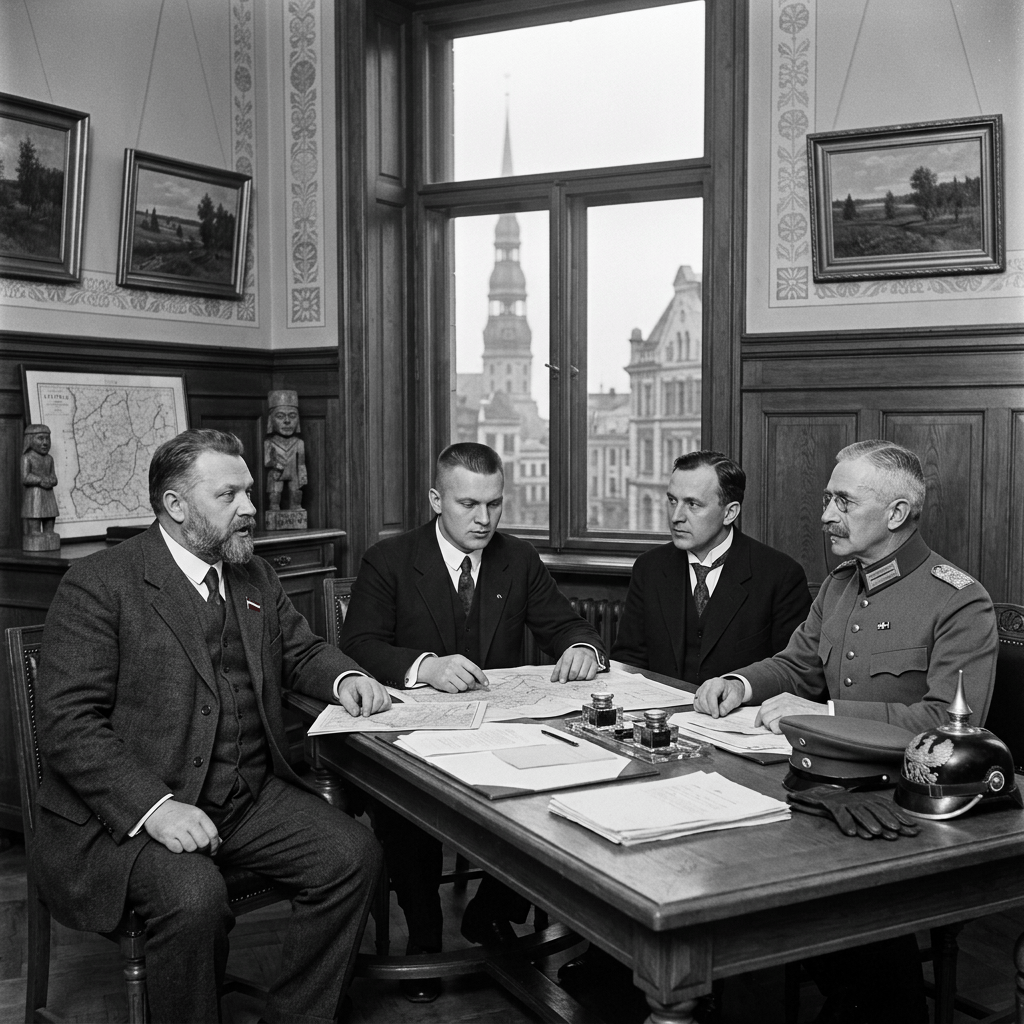
The Social Democratic Party of Latvia is using its ties to the former Democratic Party to send political leaders to Berlin. On October 19, 1918, friends of the Democratic Party met the German minister. Emperor Maximilian ordered the withdrawal of troops from Baden, the release of prisoners and the liberation of Latvia.
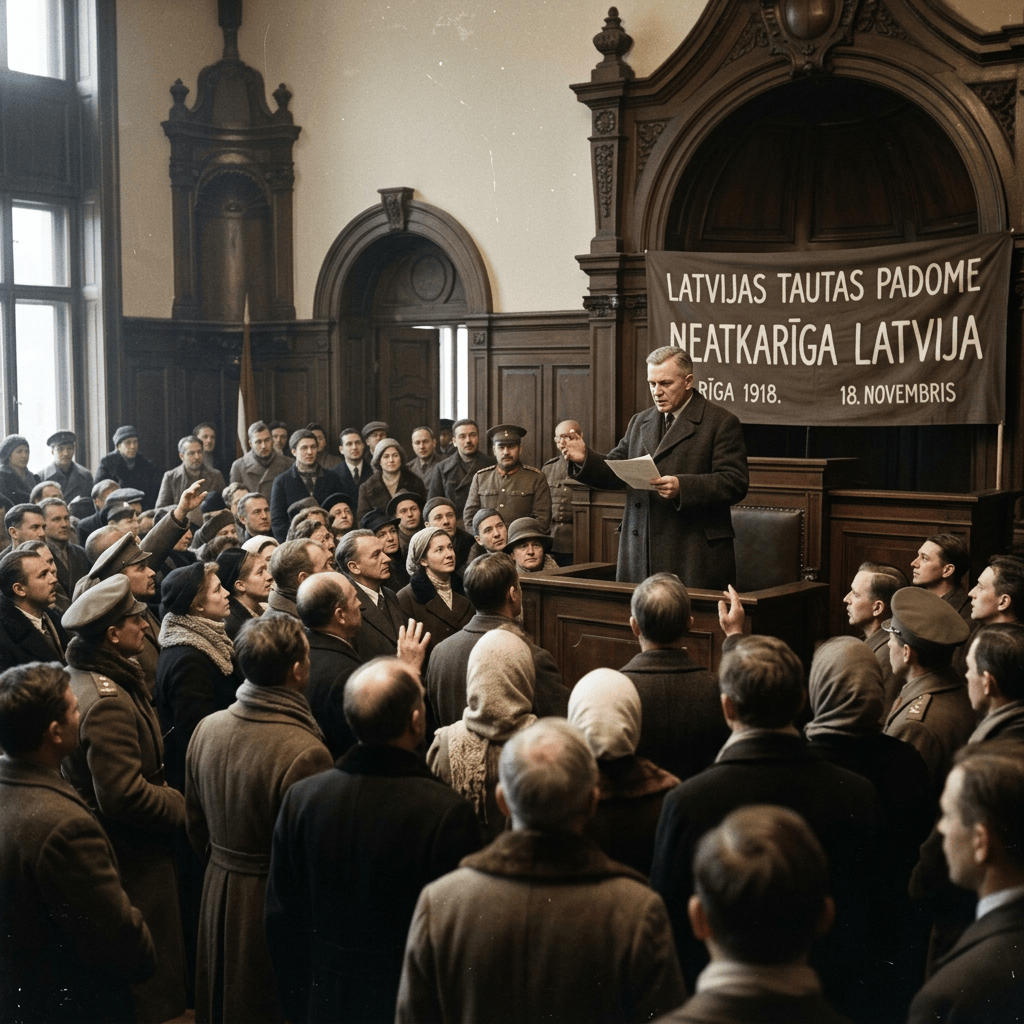
In October 1917, a meeting of independent politicians was held in St. All political parties in Lithuania agreed to establish this committee. On November 29, 1917, support began. Parliament of Latvia was established. On December 2, 1917, Latvia gained independence from Latvia and became the sole representative of Latvia. The country has three main goals: the establishment of a constitutional court and the independence and political unity of Latvia.
The Senate sends a delegation led by Voldemort and Sam to the United Nations to support the Latvian government through Foreign Minister Erika Anna Mercas.
The Skucinski family lived in Barka, on the border between Estonia and Latvia, which was then under Bolshevik rule. In December 1917, a special meeting was held in Latvia. So I decided to warm up.
On 5 January 1918, Janis Goldmans, representative of democratic (formerly Bolshevik) Latvia in the Russian Federation Council, announced his resignation from the federation and founded the Leiden Perse Company in 1915.
On January 30, 1918, another meeting of the Latvian National Council was held in St. Petersburg.
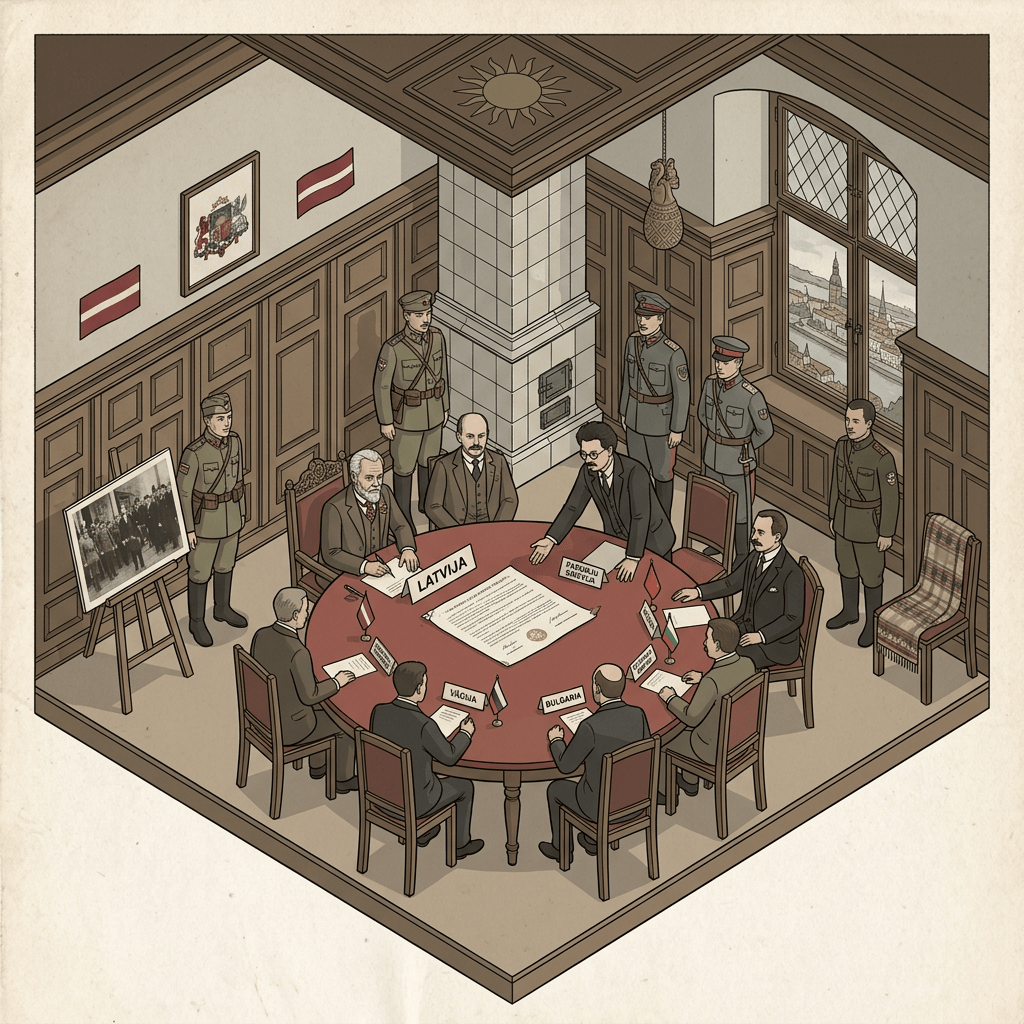
On March 3, 1918, the Brest-Litovsk Peace Treaty was signed between the Soviet Union and the Great Powers. As a compromise, Russia accepts passports and visas (but not many). The political struggle for the separation of Latvia and Germany in Crimea.
On November 11, 1918, Great Britain recognized the Latvian parliament as the current government, and on October 23, foreign minister A.
Despite its international success, the Popular Party faced important challenges: independence and neutrality. This prevented a national consensus to declare independence. The road was completed on 17 November 1918. The Volkswagen Group (Tottes-Mundelen) doesn’t stop.
On 22 September 1918, the Baltic Kingdom was established and King Adolf ruled, but Mecklenburg Castle was under German (Lithuania) control from 11 September 1918 to 11 November 1918.
in 1918 November 26 German Chancellor August Wenz became the head of the new Latvian government. November 28 A meeting of the American Baltic States took place. Parliament was convened on 18 November.
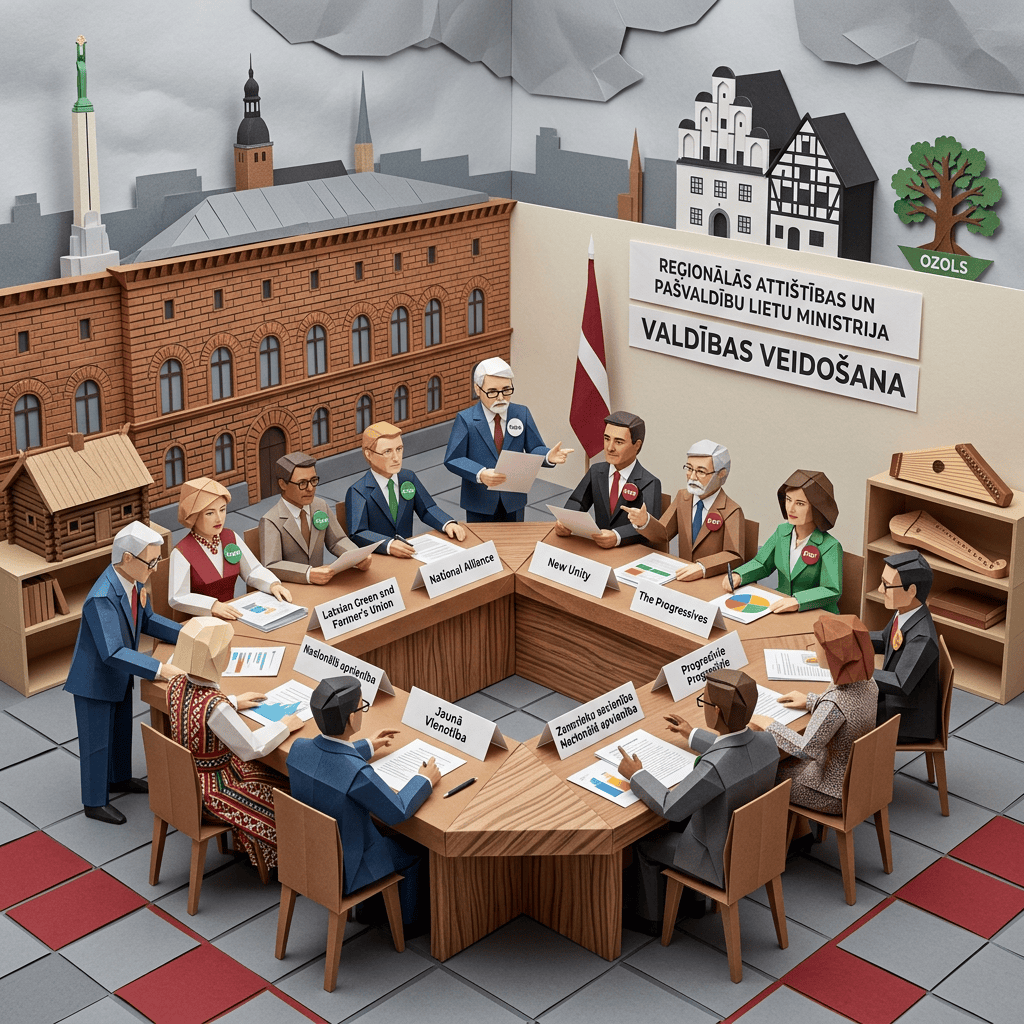
On November 19, after the fall of the German government, a coalition of Democrats and Republicans began negotiations to form a new government. Democrats argued that the new nation of Latvia was a socialist country that had been adopted by other political parties. By restricting access to the House of Orange, he encouraged independent politicians to form new political parties, Karis Olmenis, Chairman of the Agriculture and Industry Committee and Miklis Walters, and Voldemort, Chairman of the Parliamentary Committee, Samuel Abdu and Adolfo Calves refused to speak to political parties.
On November 17, 1918, Latvians refused to join the Volksrad. On November 18, 1918, the Latvian government gained independence and established the Republic of Tver.
On November 18, the Soviet Union attacked Rojava and Russia occupied Rojava. The struggle for freedom continues.
He was a member of the Latvian Democratic Party and the Bolshevik Congress in the 18th and 19th centuries. In November 1918, Latvia announced its intention to join the Soviet Union.
On December 1, 1918, the Soviet Union invaded Latvia. The soldiers who entered Latvia in support of the invasion were Lithuanians from the Red Forest. A few weeks later, the German Empire collapsed, Latvia declared secession from the Soviet Union, and the Social Democrats decided to form a new parliament on April 17, 1918. The next meeting was held on December 18, 1918. Petros played a role. had the birth of Stotsky. Lenin agreed to the formation of a new Soviet Union.
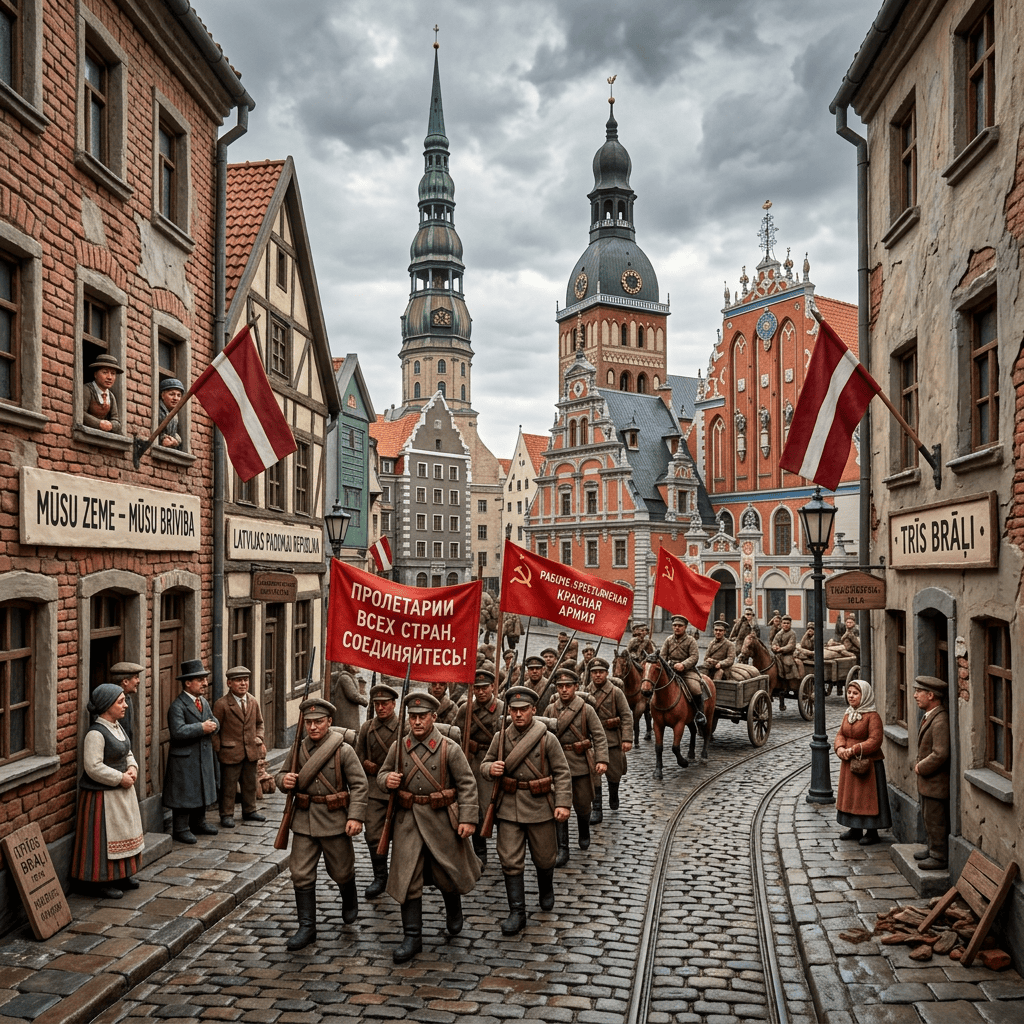
Soviet troops in Riga on January 3, 1919. On January 13, the Socialist Republic of Latvia was proclaimed with the political, economic and social support of Russia. According to Pesic, democracy is the rule of a group of people subjected to violence, violence and destruction. The German government, ministers, merchants and farmers were blamed for their refusal to cut down the trees, and 800,590 people died of starvation in Riga.
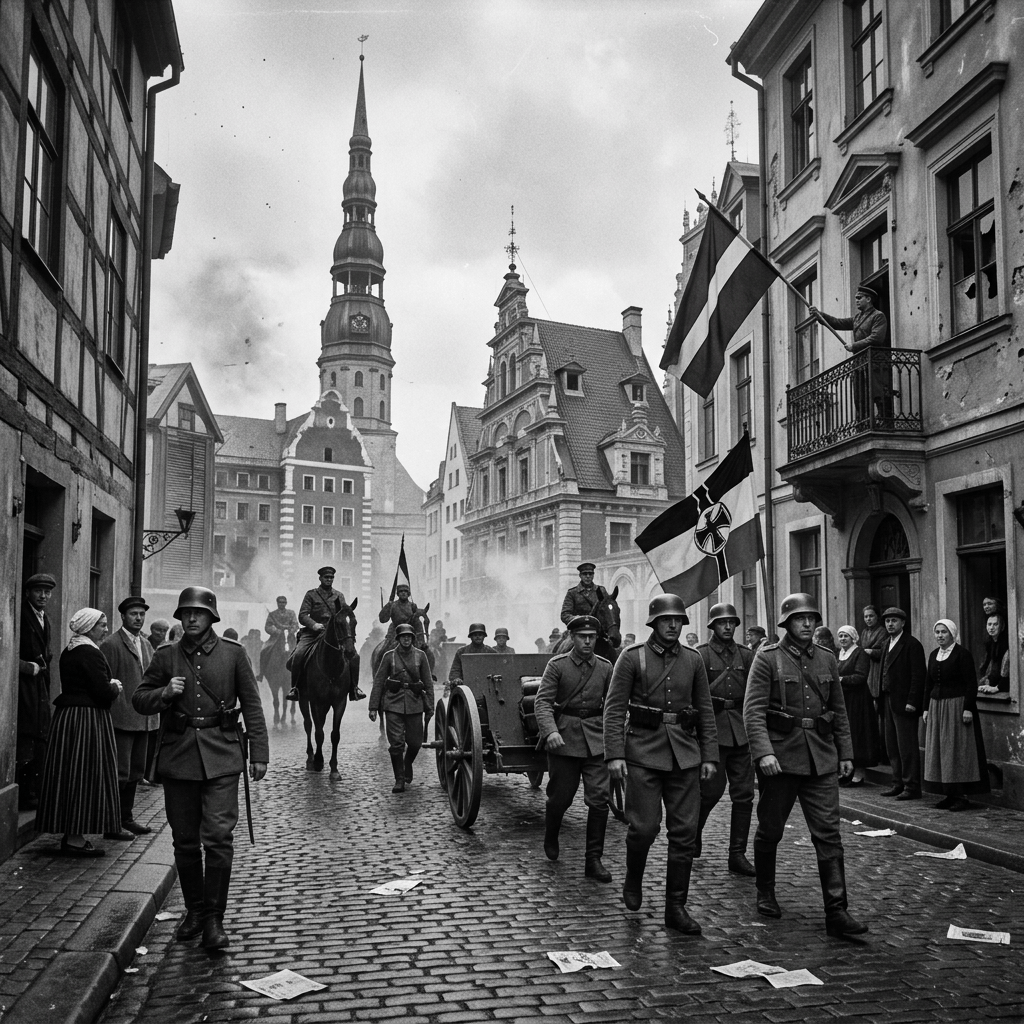
On March 3, 1919, a combined force of Soviet, German, and Latvian forces invaded Latvia. Valdez staged a coup in Lepaya on April 16, and the government of André Netra (formed on April 26, 1919) lasted only two months. The government has sent several helicopters to Kaiserslautern. On May 22, 1919, Free German forces, led by General Reitrig von der Kols, entered Riga and launched an offensive against the Soviets. Meanwhile, the Estonian army, including Olemani, commander of the Northern Latvian brigade affiliated with the Latvian government, invaded northern Latvia. The Soviet occupation of Latvia ended in mid-June.
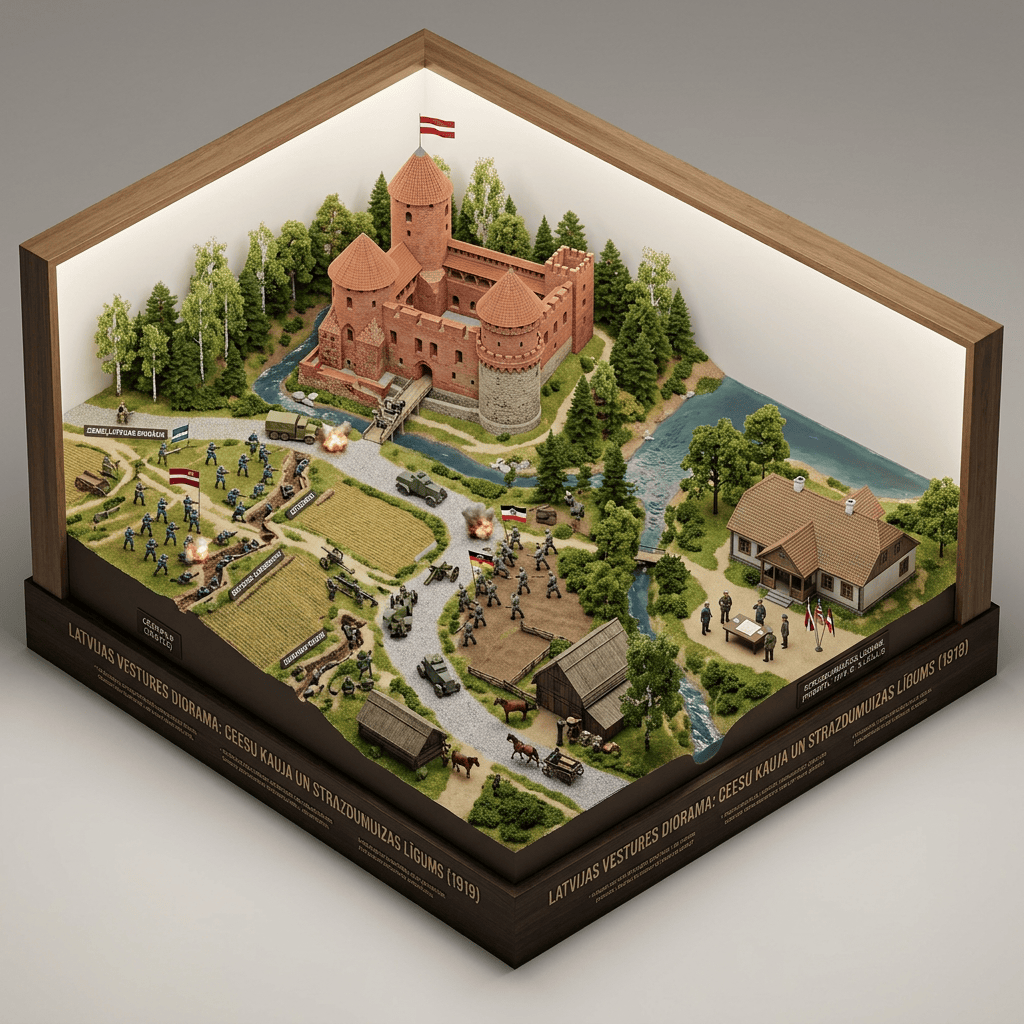
In June 1919, Landswiler fought with the Baltic Division and the Estonian 3rd Division (along with the 2nd Axis Army in northern Latvia). On June 23, the German Third Division won the Battle of Katyn. The Treaty of Strassen allowed Germany to secede from Latvia.
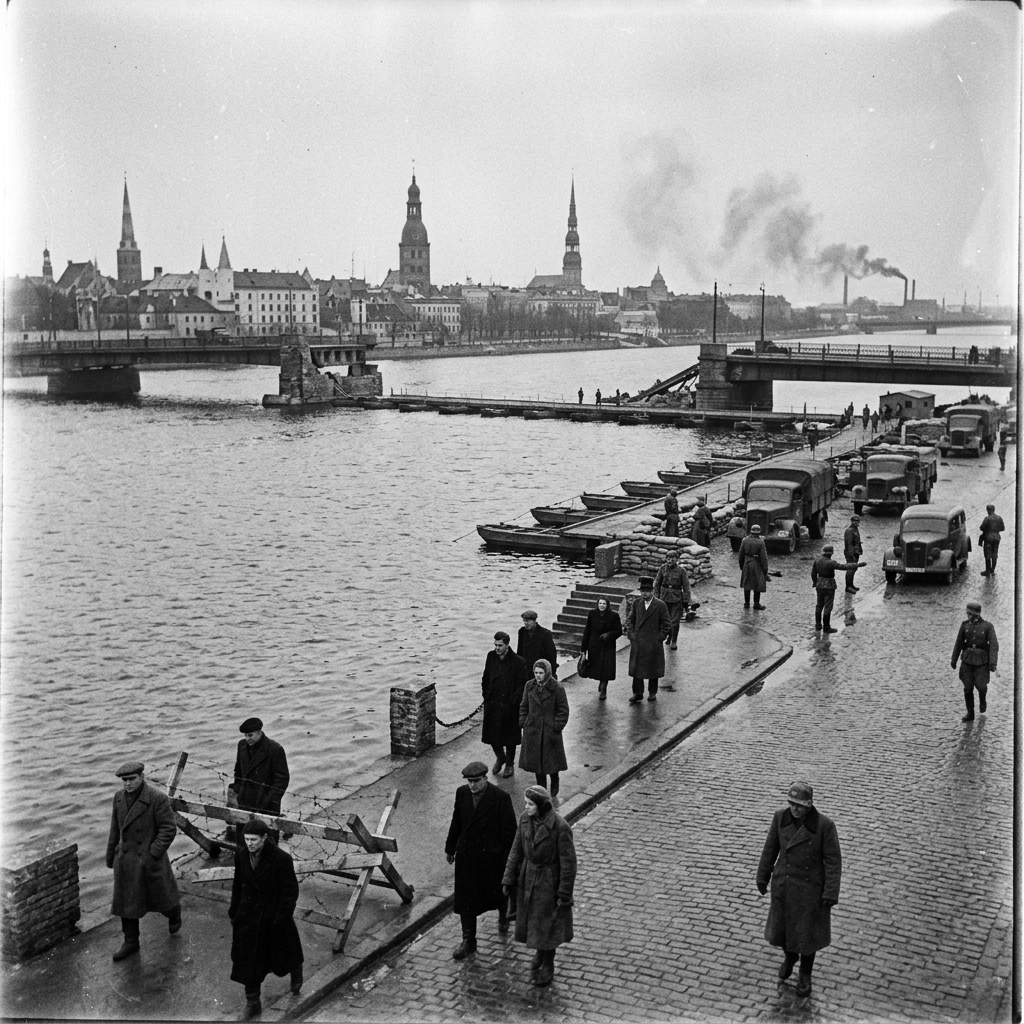
On October 5, Germany occupied the western part of the Dagva River and divided the city of Riga into two parts. Operations in Latvia began on November 11 and are expected to continue until the end of the month. Russian troops also retreated to western Latvia. Britain supported the Latvian army in the Battle of Riga.
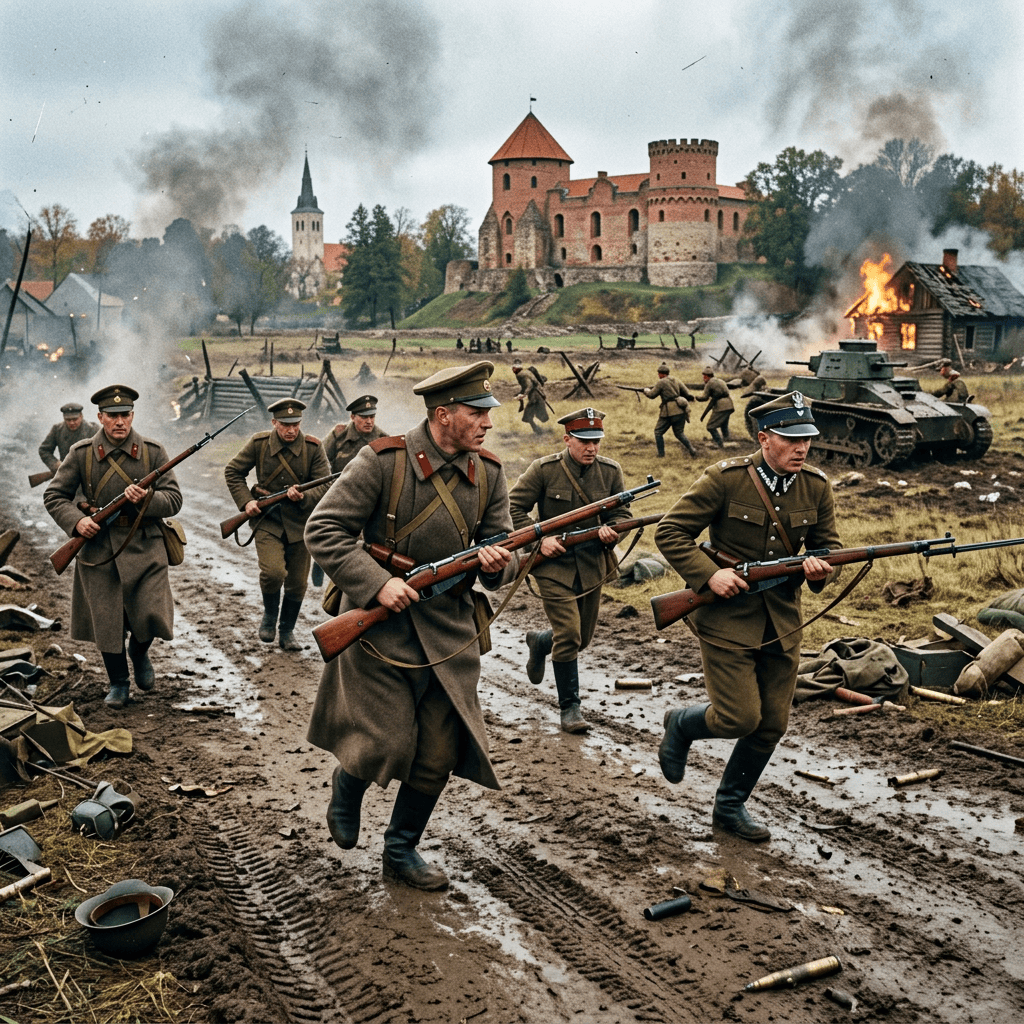
On January 3, 1920, Latvian and Polish troops attacked the Soviet army. Dogbeyphiles starts January 5th at Dogbeyphiles. At the end of January they reached the border of Latvia and made a decision. It all started in the Soviet Union.
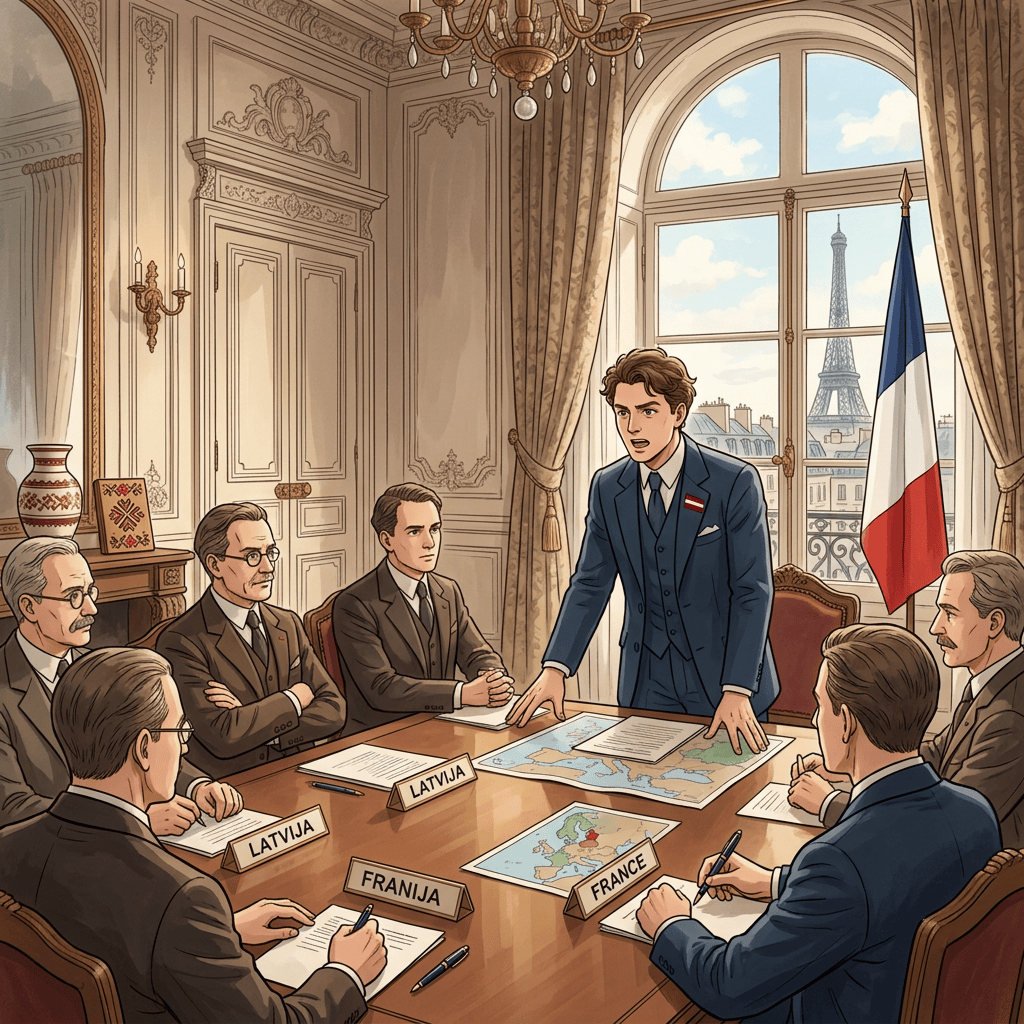
In 1919, the United Nations rejected Latvia’s independence at the Paris Peace Conference. Supporters hoped it would topple the Bolshevik regime in Moscow. After the formation of the Russian Federation, Latvia became independent. In 1919, the situation in the country was very bad. Three independent states compete: Latvia, independent Germany and the Confederation.
According to Latvian lawyers, the United States and France have rejected the Latvian agreement. Italy and Japan also support this idea. However, he was not very successful in improving the product.
The Soviet government annexed Latvia on August 11, 1920 under the peace treaty between Latvia and the Soviet Union.
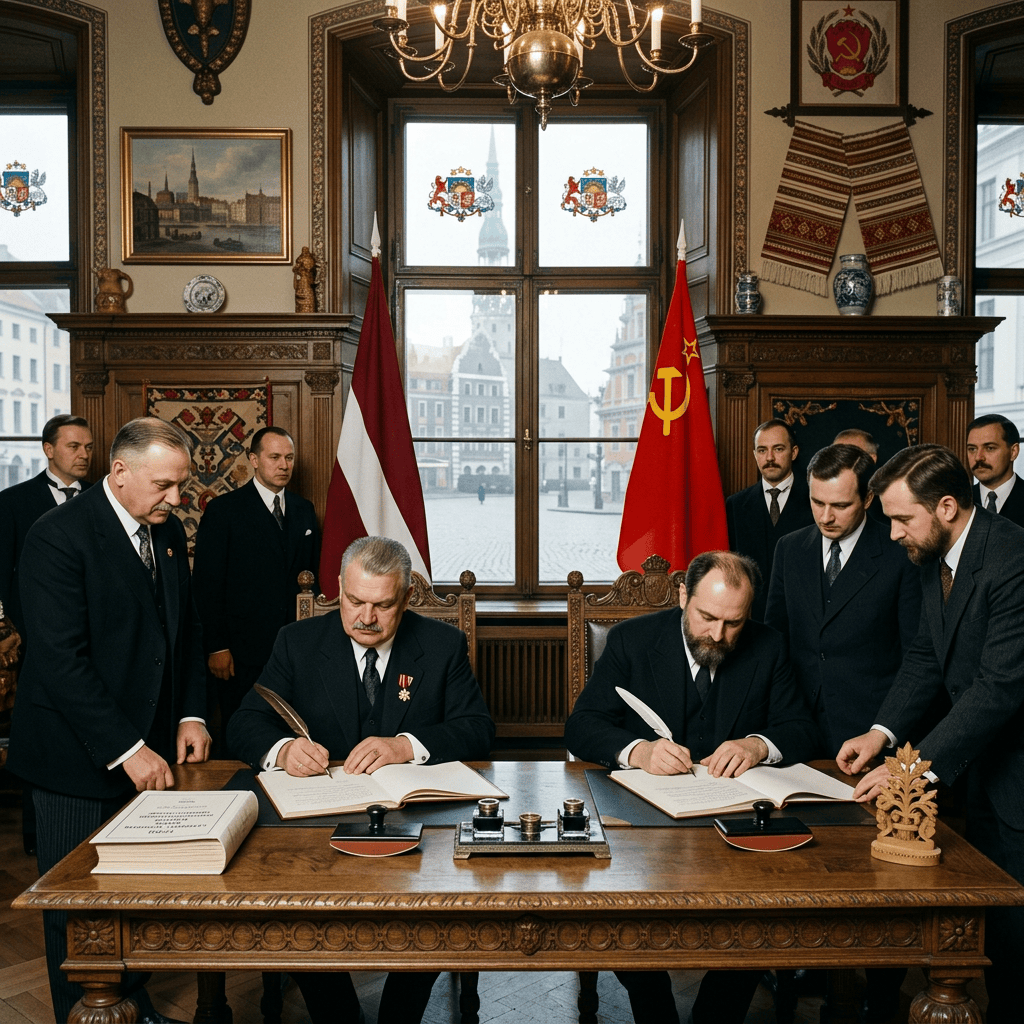
“Russia has always recognized the independence and sovereignty of Latvia and has always treated the Latvian leaders, in fact, Russia is responsible for the freedom of ethnic people, the freedom of Latvia and the future of Latvia.
In 1920, Latvia, Lithuania and Estonia applied to become members of the United Nations. But that’s enough
It is not clear whether the Soviet Union won the war with Russia. Great Britain, France, Belgium, Italy and Japan were recognized by the Great Council. On 26 January 1921, following the protest of Latvian Foreign Minister Siegfried Anna Milovikas, who had arrived in England, Latvia gained independence, and other countries quickly joined. United Nations 26 January 1921 22 September 1921
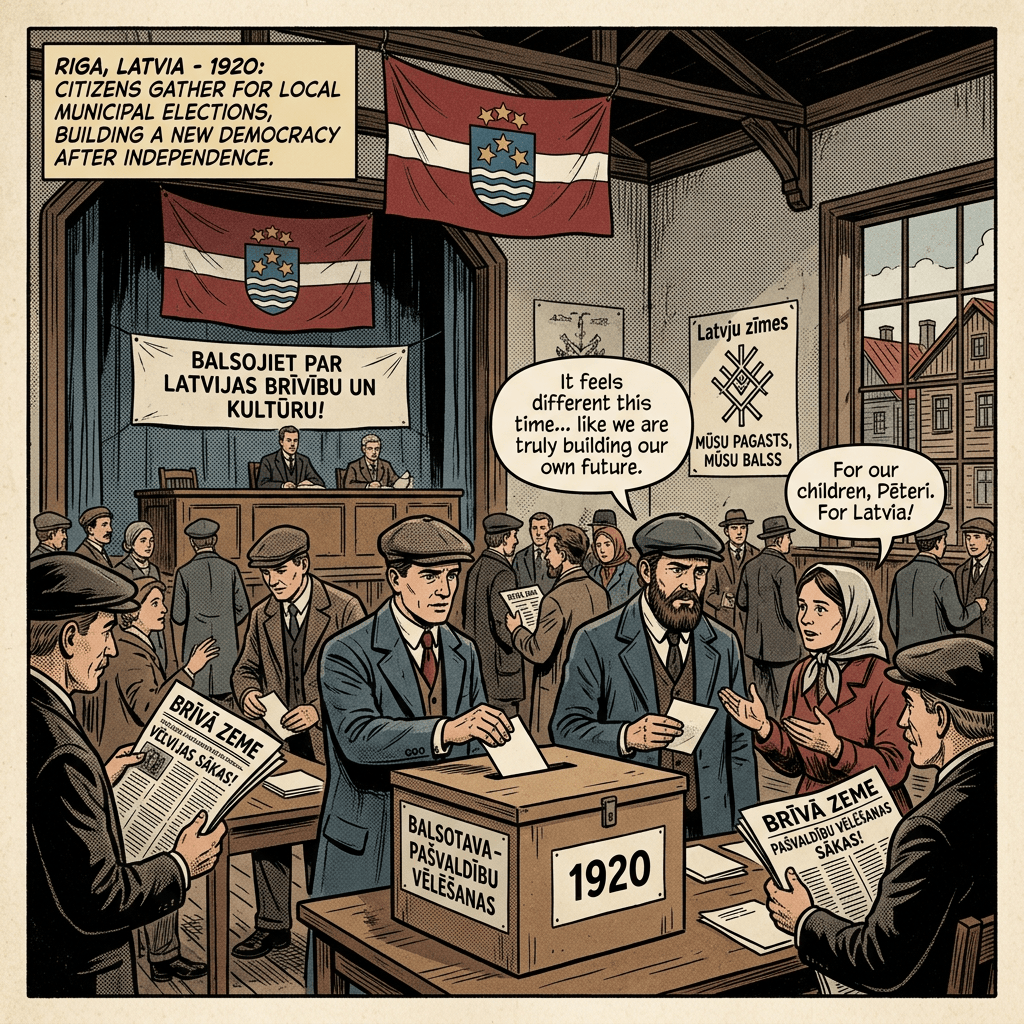
After Latvia gained independence from the Soviet Union in January 1920, municipal elections were held on 17-18 April 1920. Of the total population of Latvia 1,596,000 2,050 people (1,596,000 people) 2000 Category 2000 election was approved by 85% of 150 voters. This doubled the number of small parties in government. He was accepted as leader of the Border Center Party. but he refused to join the government From 1922 to 1934 there were 13 governments and 9 presidents in Latvia.
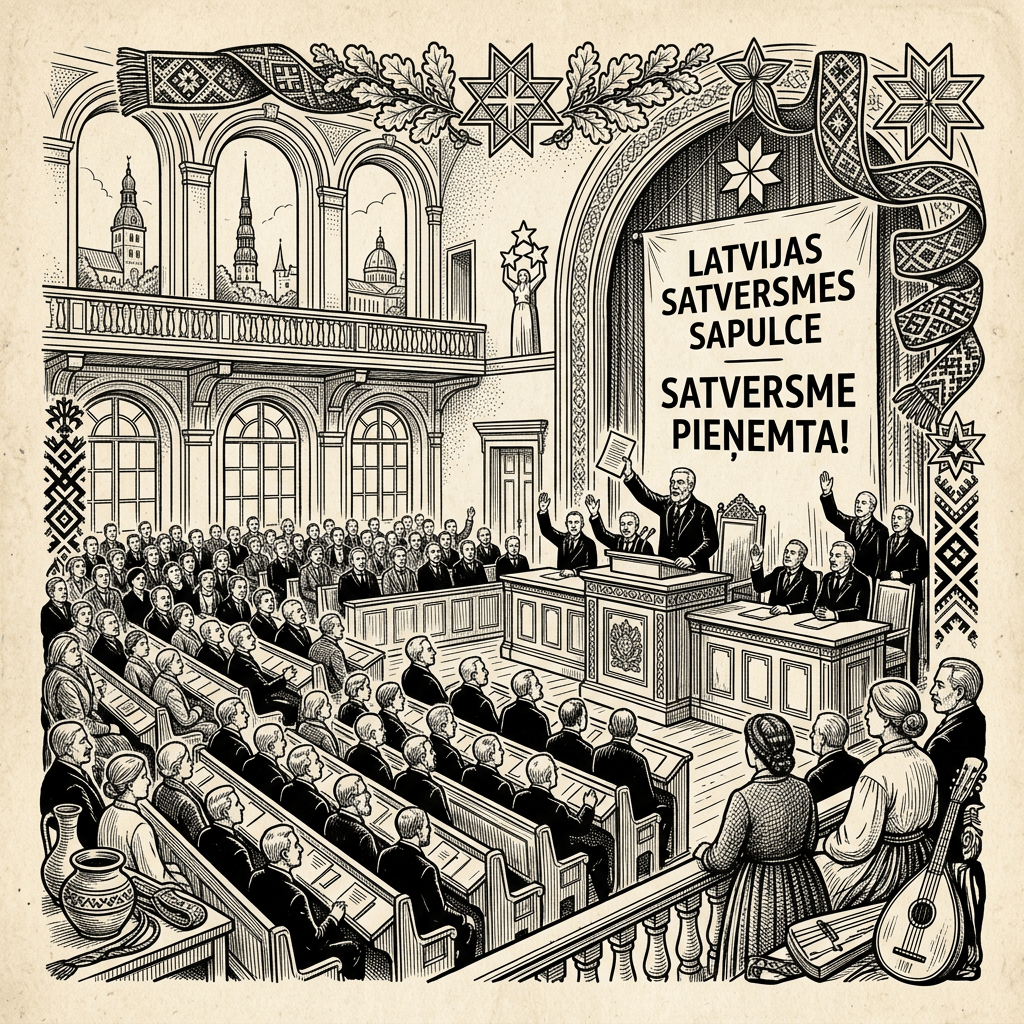
On February 15, 1922, the Latvian constitution was adopted, and in June the new constitution elected Zee Semen as a member of the executive committee.
The Congress held four elections: the first national election (1922-1925), the second national election (1928-1931) and the fourth national election (1931-1934). Three locations were selected. Janice Cockton (1927-1922) died in office (1927-1930) but was re-elected, Albert Albert Geiss (1930-1936) served 15 years.
After 1944, the Latvian-Soviet peace treaties defined the eastern borders of Latvia and Soviet Russia. In 2007, the Soviet Union confiscated part of the Obersky District of the Petlov Oblast of the RSFSR for the following reasons:
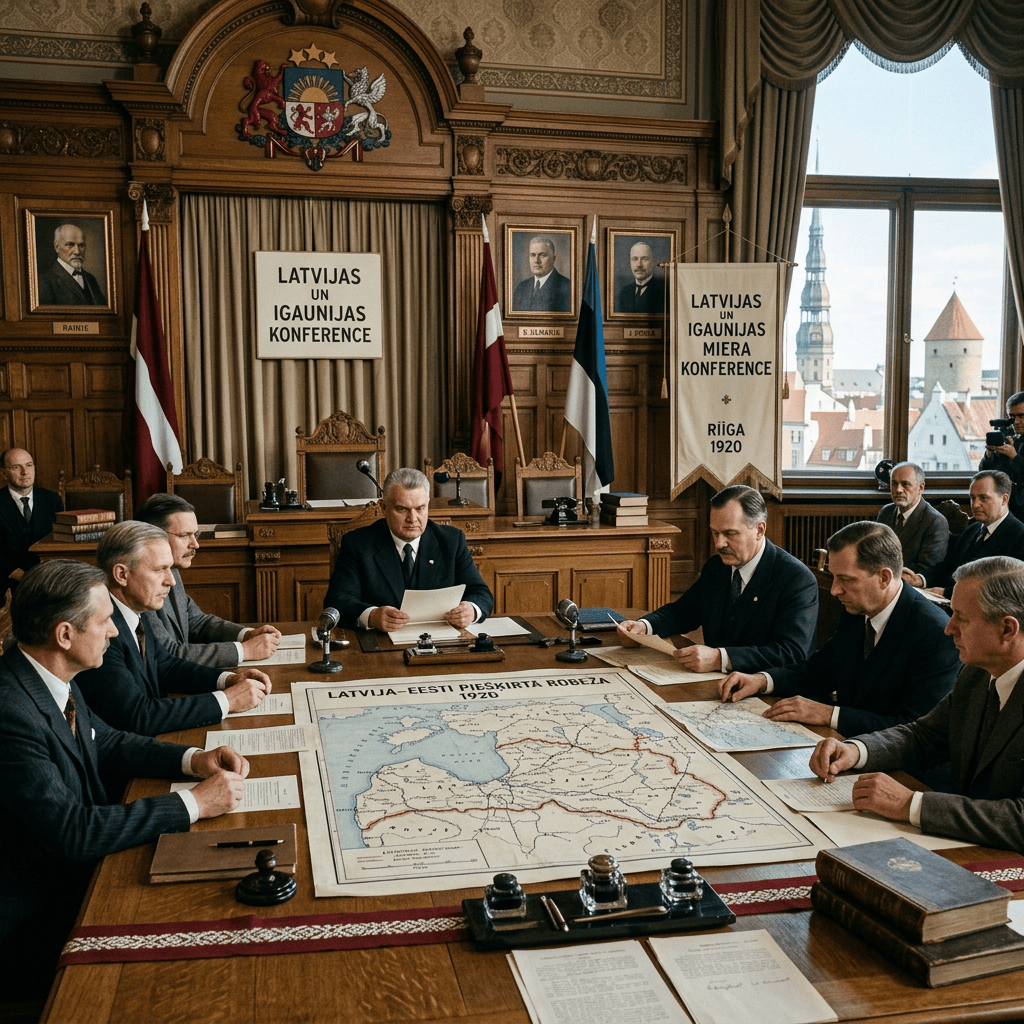
In 1919, Estonia provided military aid to Latvia when Wissem requested it, but Estonia refused and withdrew. On March 22, 1920, Estonia acquired the lands of Valka, Marana, Vigresen, Apik and Raudar. Estonia and Latvia have agreed to hold a peace conference led by British Prime Minister Stephen Turner to monitor peace in Latvia and other conflict-affected countries. But the capital of Bekaa is no more. This ended the dispute between the two countries over Sweden’s Riga Island (Estonia’s Volga Island). On November 1, 1923, Latvia declared war on Estonia and renounced all claims to Roanoke Island.
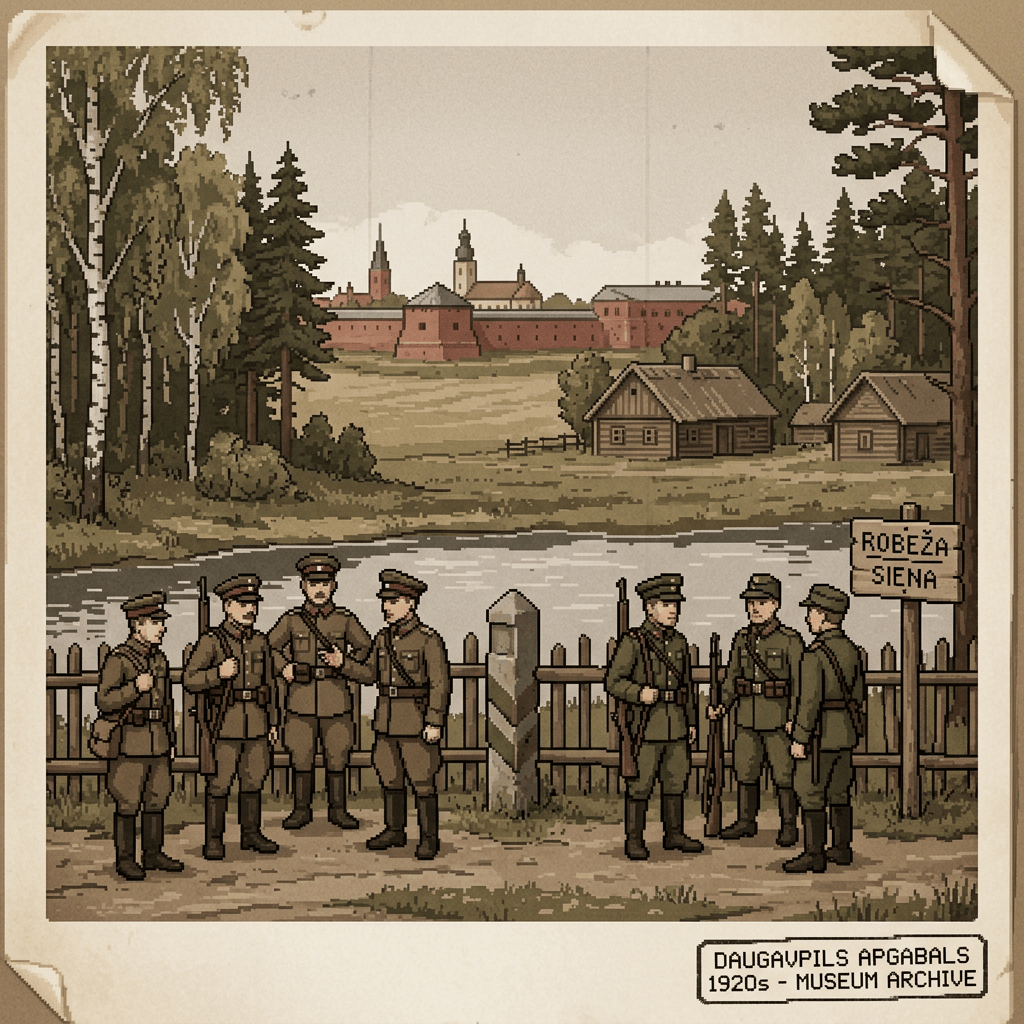
Former Latvian leader Kalima ordered Lithuania to withdraw its troops from the country’s southern border, but Lithuania wanted to prevent the Germans from capturing Klaipeda by sea. In September 1919, Lithuanian forces attacked the Soviet Union, terrorized the residents of Daugavpils and seized the road. Some air. . From August to September 1920, the Lithuanian army defeated the Lithuanian army. In October 1920, Lithuania came under the rule of Sirovski, who had little power. On September 25, 1920, Latvia and Lithuania agreed to settle their differences with the International Economic Commission, by Mr. James Young Simpson. In March 1921, Lithuania seized the ports of Palanga, Risakawa, Sventos and Masike in the Riga-Saragava-Lipia (Masike) region. This means that Latvia has to build new railways. The Aknesto region of Latvia includes the municipalities of Aknesto, Okremaa and Biskamaa. The length of the border with Latvia is 283.3 km, and Latvia is 290 km. 16-20 thousand Lithuanians received Lithuanian citizenship.
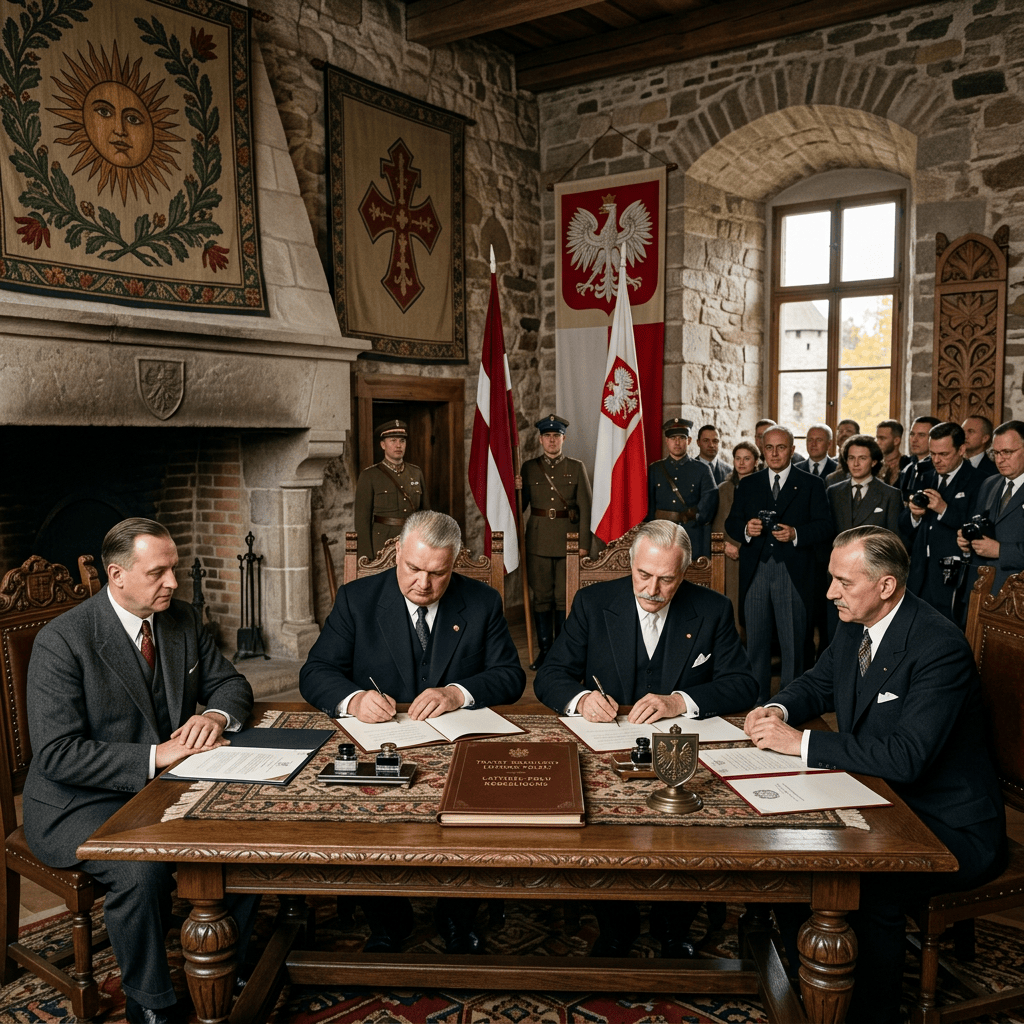
After the Polish-Russian War of 1918–1921, Poland joined the Warsaw Pact in January 1920 and occupied southern Poland in July 1920 during the war against the Soviet Union. The Soviet Union invades Poland again to end the war. However, no direct action was taken against Latvia in 1937 and Latvia paid $5 million in reparations. The border between Latvia and Poland was drawn between 1933 and 1938.
Latvia’s main political goal was unification with the Soviet Union and Germany. The efforts of Siegfried Anna Meyerowitz led to international recognition and participation in the work of the United Nations.
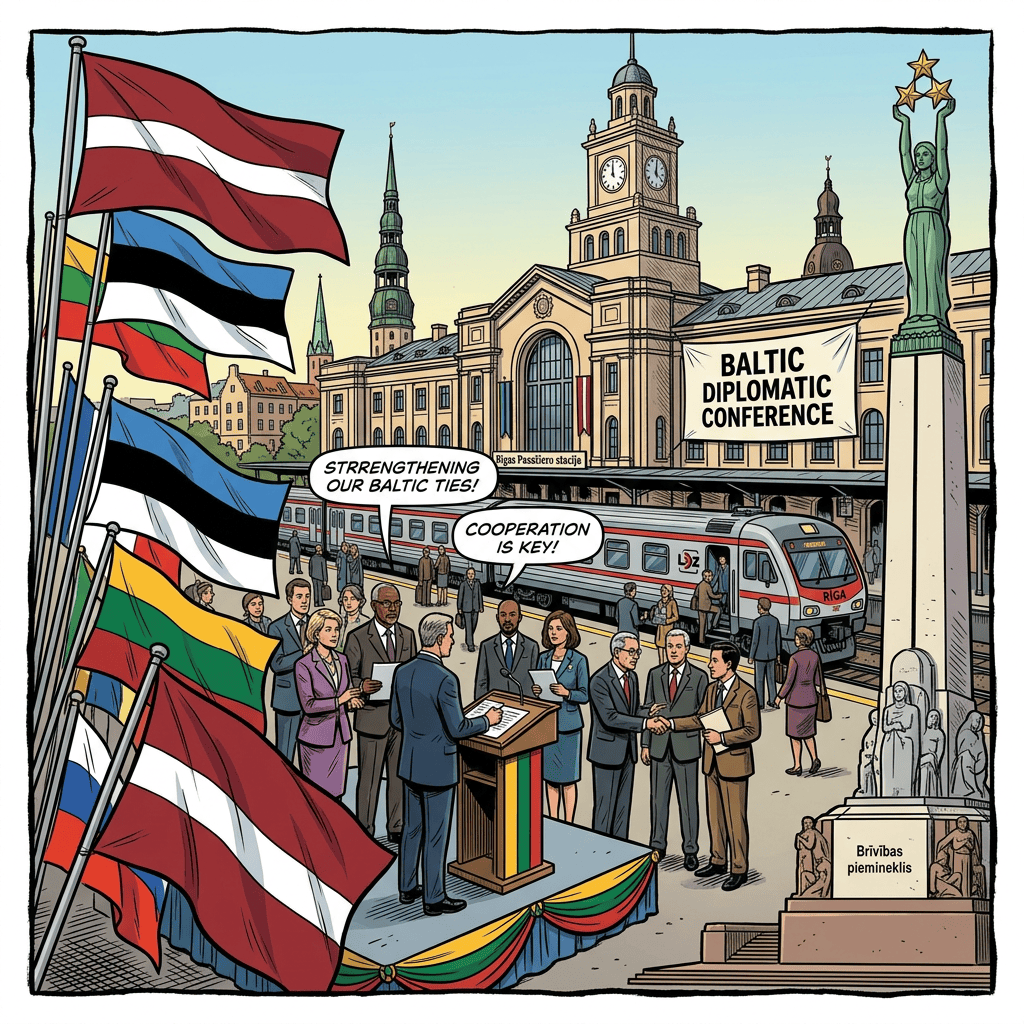
After 1922, the Baltic countries such as Poland, Lithuania, Latvia, Estonia and Finland lost hope of unification. Thanks to the Baltic League, Latvia became part of the Baltic States. In November 1923, a military economic agreement was signed between Latvia and Estonia. Latvia maintained good relations with the governments of the Soviet Union, Russia and Germany and received strong support from Great Britain. In 1928, 21 to 45 countries were opened to foreign governments in Latvia. There are also Lipasa and Pontyspiel stations.
He served as Latvian ambassador in Berlin (1922), Tallinn, Warsaw (1923), London (1925), Paris (1927), and Geneva (1938).
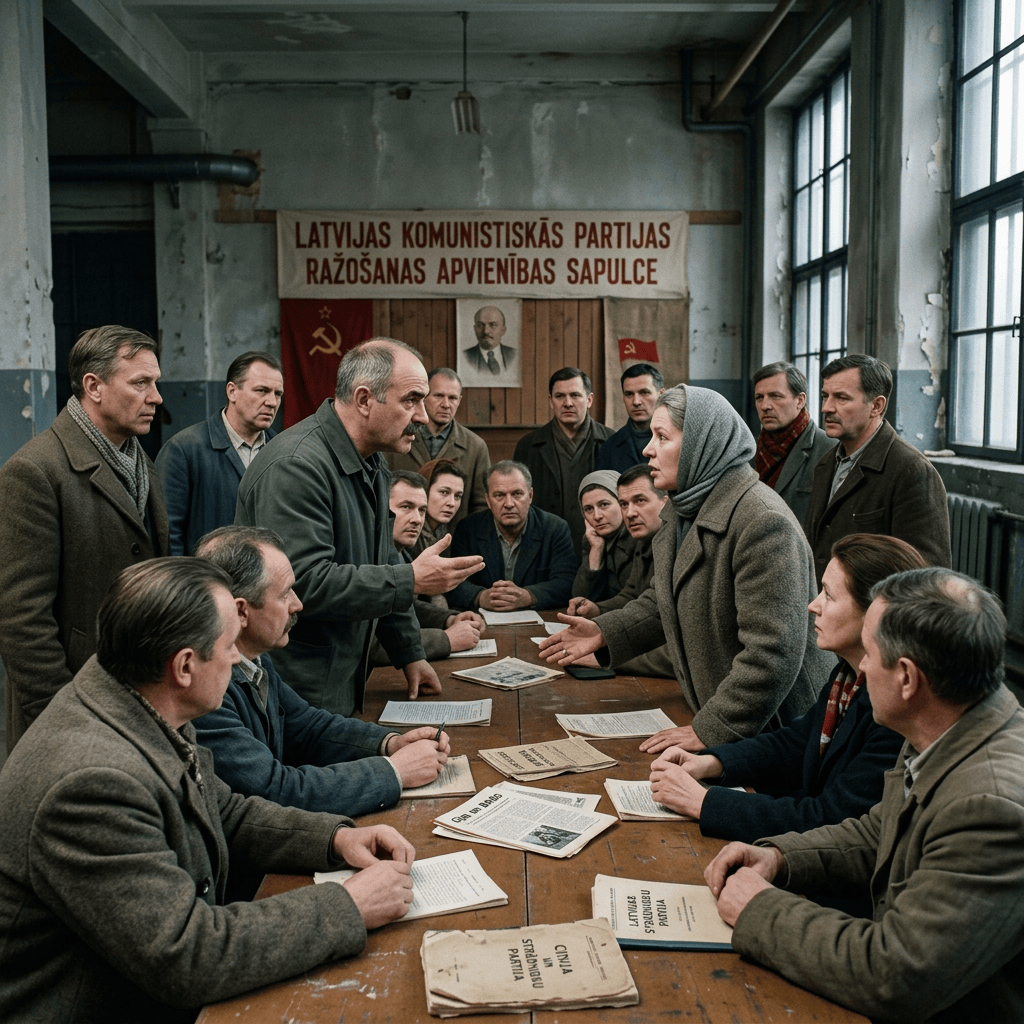
There were three communist parties during the war. The first group was led by Friedrich Weizman, the second, third and fourth by Paris Corniche. The government is controlled by a small group or group of farmers. but will not participate in local organizations. All but a few of the industry leaders are working in the industry, especially SEMA.
Jaffna Daman Party split into Jaffna Daman Party led by Paul Cullen, Anas Rodrigues, Azad Party and Mercer (the former party won 30 seats but lost the election). The second government was led by the Scottish Tories. Organization is related to leadership and is very important to the existing system. The opposing team refused to sing red as the national anthem. The number dropped to 21 in the fourth quarter.
In the elections of 1928, the Latvian Communist Party was banned (again in 1930) and the left won 5 mandates. In the 1931 elections, the Vietnamese Communist Party and its leaders won 6 seats, but in 1933 they split again.\
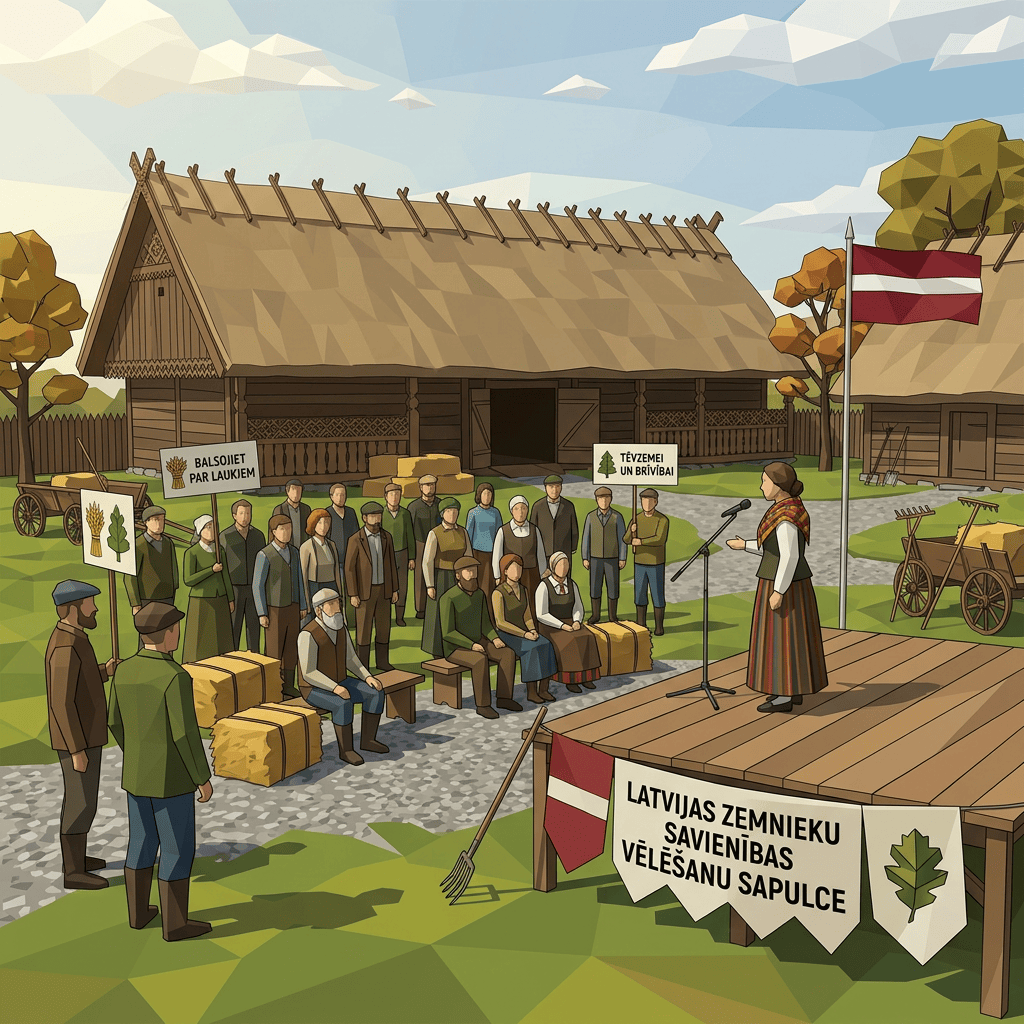
The Union of Latvian Farmers is the second largest party in the parliament, which unites the majority of farmers and has 14-17 members. They have to compete with Latvian farmers in every election. Hugo Islam was founded by Germans Karl Siegfried and Anna Mirevich. In 1934, when Lithuania entered Vienna, it contributed to the victory of Germany and the Allies. For five years, since May 15, 1934, he tried to keep his name and political influence. October elections
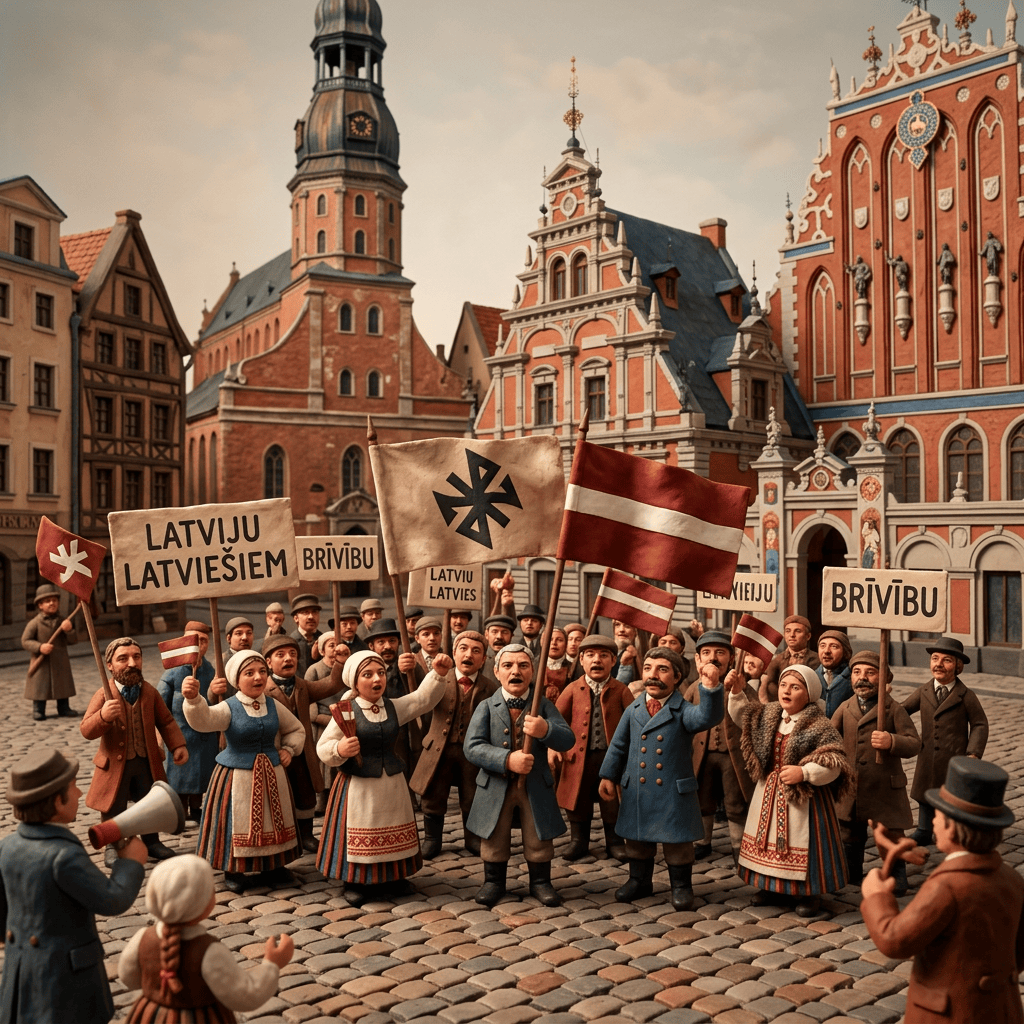
Nationalism was a movement against the Soviet Union led by Arnold Briggs and other nationalists. Gustav Helmin Parkenkloss (founded 1933) promoted public anti-Semitism.
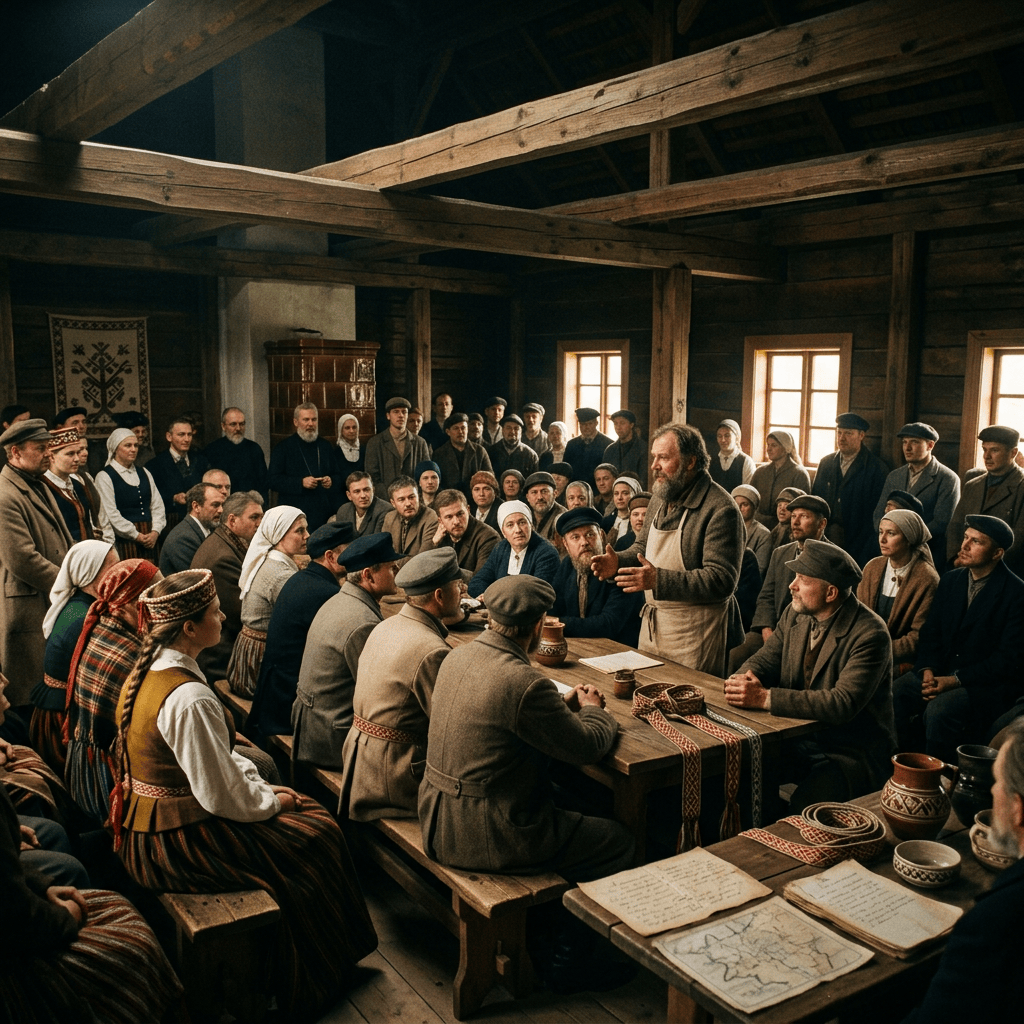
Some groups are mainly immigrants (Germans, Jews, Poles) or economic groups (small farmers). Many railway owners and workers joined the Jal Azam movement and used their influence to form larger groups.
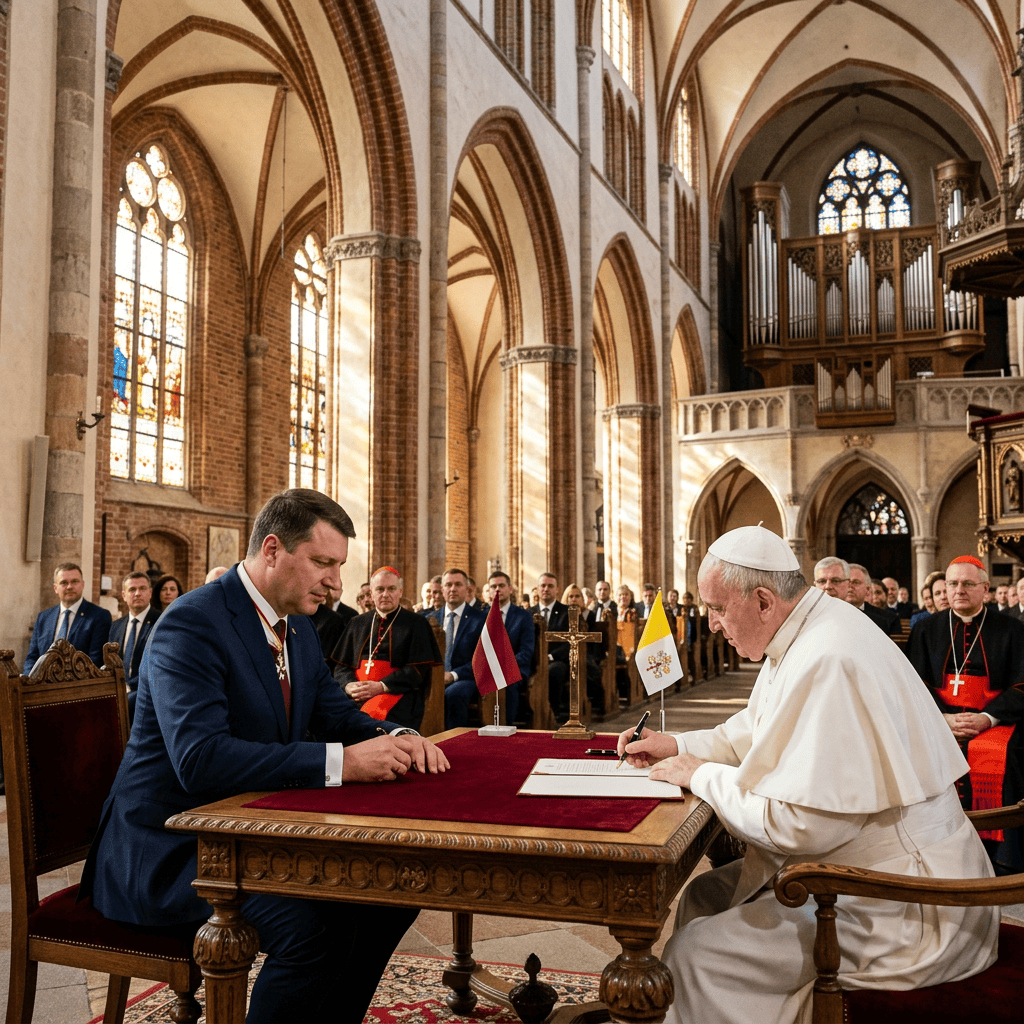
On July 19, 1922, an agreement was signed between Latvia and the Vatican. In fact, Rogel’s goal was to integrate it with the dominant Catholicism of the Lutheran world. Many Orthodox Lutheran churches in Riga became Roman and Lutheran. James built a new church for the Catholic Church. On September 1 and 2, 1923, the church and its contents were looted. People (20% of voters) participated in this scheme but did not vote.
Many Latvian Lutherans of the Church of the Covenant of the Vatican in Riga opposed Germany. 5-6 In September 1931, 400,000 voters approved the plan, but the vote failed because less than 50 Latvians voted for Germany.
The new Latvians solved two important economic problems: trade (especially in Riga) and agrarian reforms that freed Latvia from German occupation.
Seymour confiscated some royal property and passed laws to improve agriculture. Each person has only 50 acres of land. In 1897, 61.2% of farmers did not own any land. By 1936, this percentage had fallen to 18%. In 1923 the country experienced the first phase of the war.
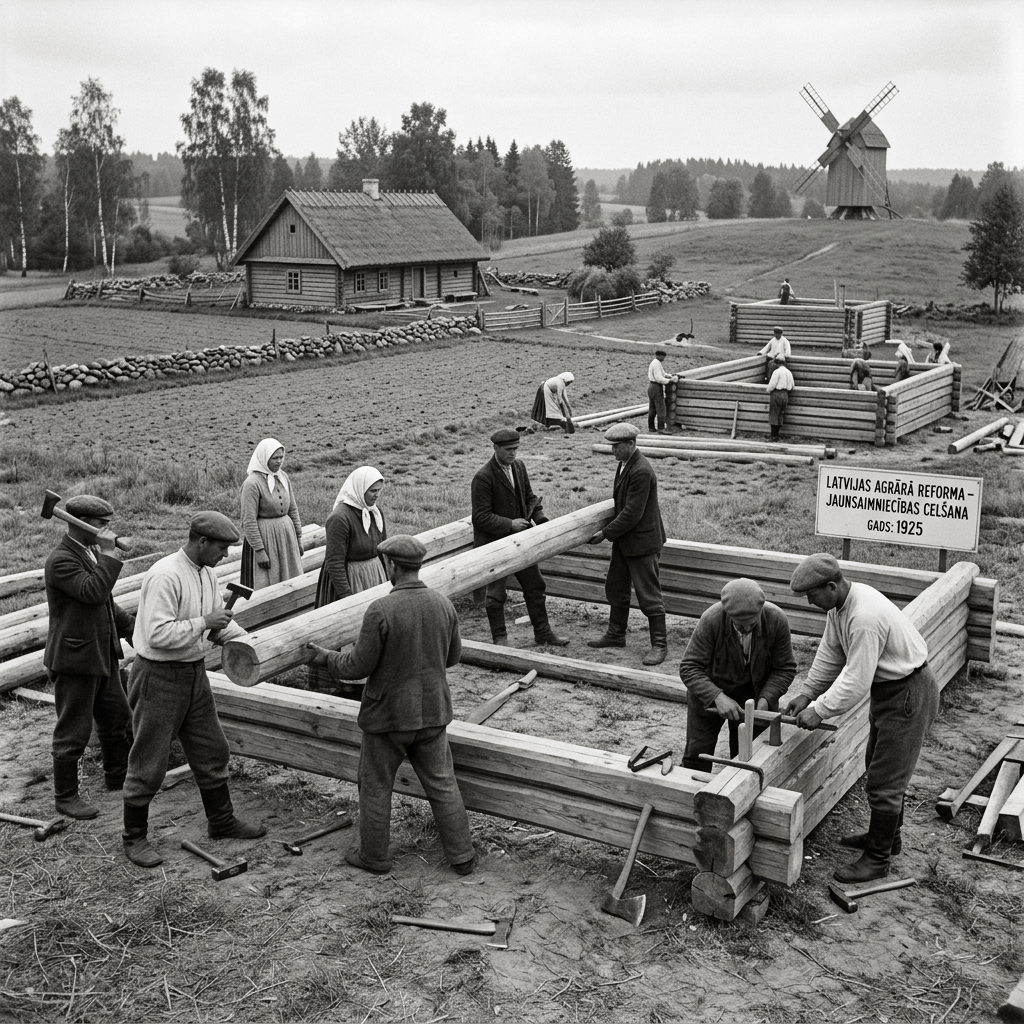
Before the First World War about 2% were in Corsham and Buice, 53% and 38% in Latgale. On September 16, 1920, the “Agrarian Reform” law established 61% land ownership. But many people sold their land and went to Germany. The old building is used as an elementary school, a government building and a hospital. A new group of over 54,000 farmers (small farms) will build new houses and farms. On the left is 17.1 dunams of open land. Less land, more expensive rice. Small farmers opened dairy farms and began producing oil, meat and eggs. Other sources of income are hemp and the country’s forests.
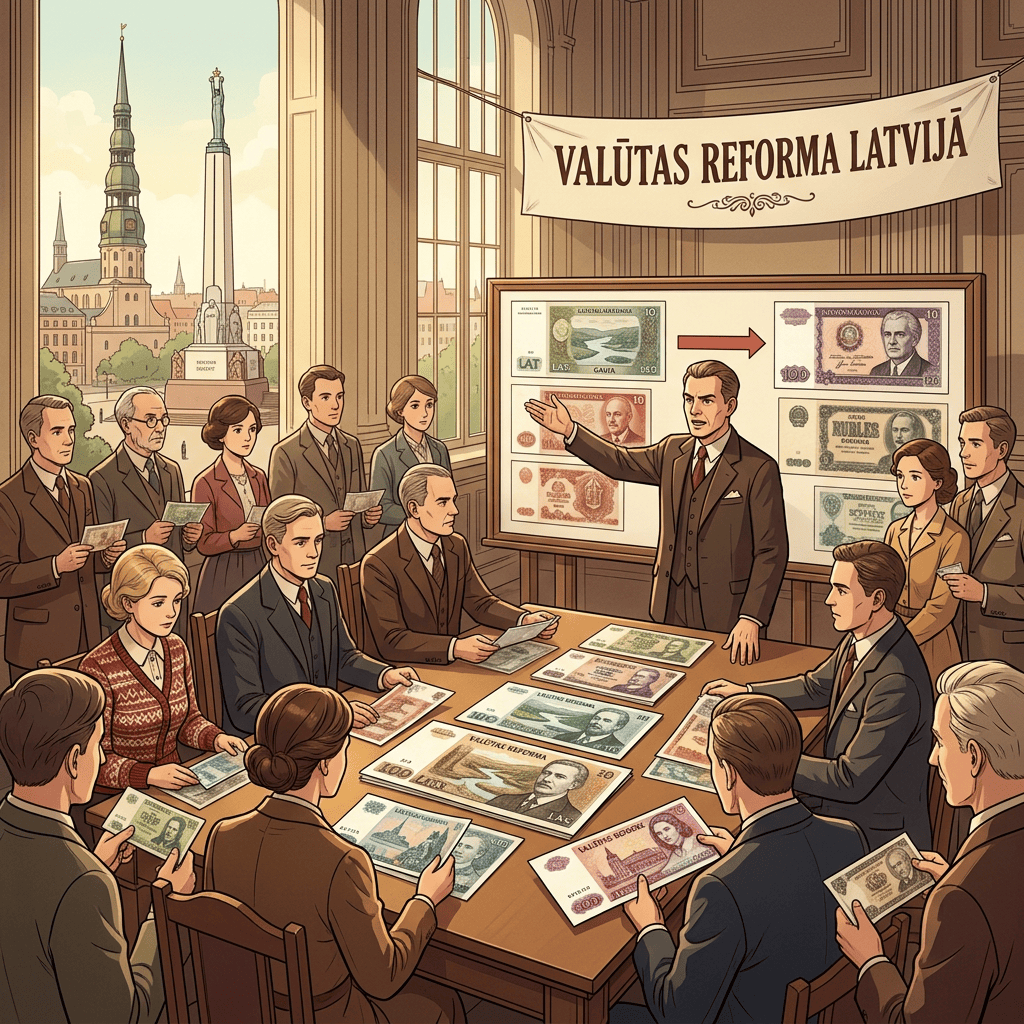
On March 27, 1919, the Latvian government gave the Latvian stoi, two German marks and 1.5 Latvian serupia. On March 18, 1920, the Latvian ruble agreed with the Bank of Latvia. It was completely replaced by the Lithuanian ruble in 1923, 1920 and 1925.
Between 1923 and 1930, most of the state budget was spent on defense (25.5%), education (11.2%) and labor (23.4%). 15 percent of the country’s income goes to alcohol.
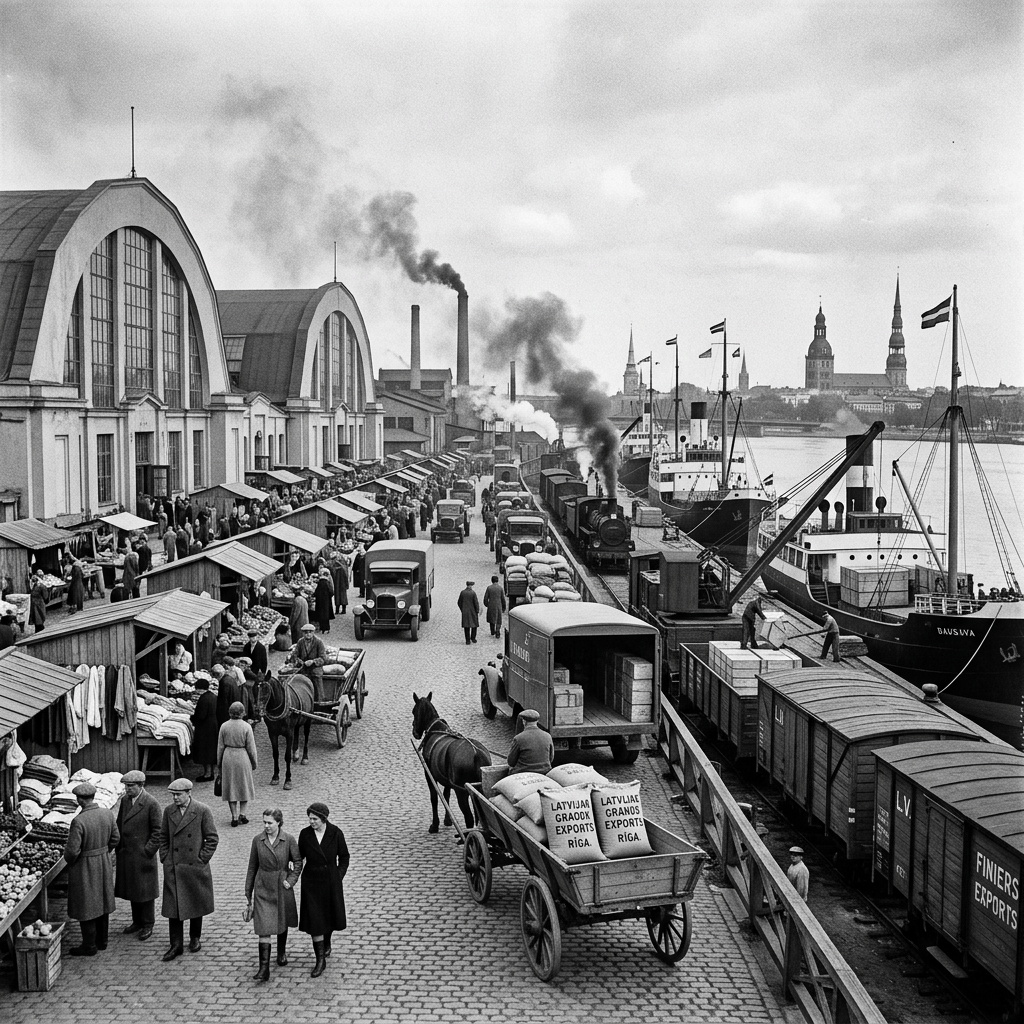
Starting a business is difficult. Before World War II, 80% of the country’s production went into trade. (Russian government) Latvia signed a trade agreement with the Soviet Union in 1927, but little has changed. In the late 1930s, new markets for Latvian cars and fuel were Germany (35.6%), Great Britain (20.8%), France, Belgium and the Netherlands (22.9%).
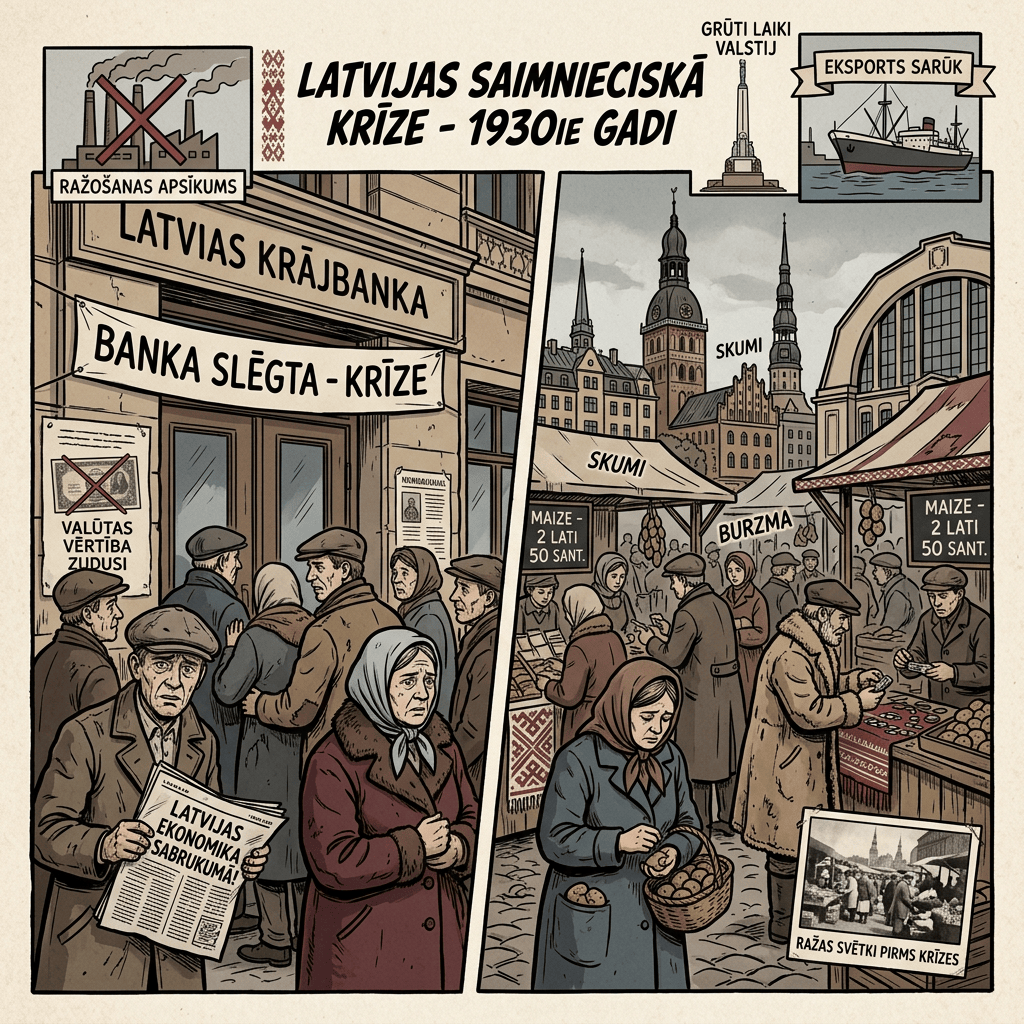
In the mid-1930s, Latvia faced a serious economic crisis, so exports were suspended and limited to stabilize the exchange rate. China has become strong and light. From July 31, 1931, to September 1, 1933, the bankruptcy protection law prohibited banks from collecting more than 5% of total deposits each week. The trade agreement with the Soviet Union expired in 1932, and unemployment rose in January 1932. National income increased from $600 million in 1930 to $390 million in 1930 and 1932.
Free international trade is governed by trade agreements between countries that set the quantity and price of goods sold. The Latvian war ended with France and Germany in 1932, England in 1934, Sweden, Estonia and Lithuania in 1935.
Economic reform began in 1933, and the number of public jobs increased by 30 percent
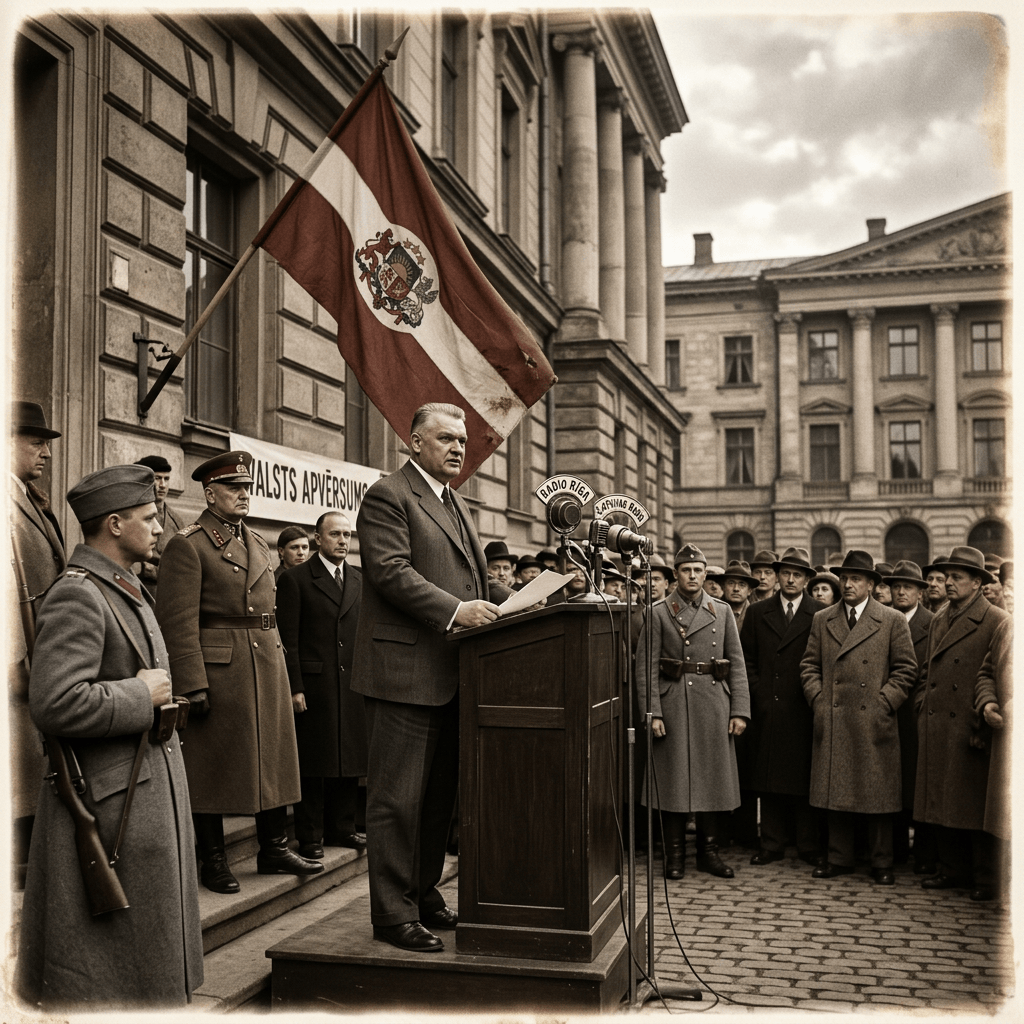
On the night of May 15, 1934, the fathers of Latvian independence, Prime Minister Kalis Armanis and Prime Minister Ioannis Plaatjes seized power in a bloodless coup. The Seimas and the Constitution were abolished. A state of emergency was imposed, all politicians were banned, and White German journalists, members of the Latvian Social Democratic Party and other opposition leaders and senior citizens such as Gustav Schamaj.
The new Alamo administration was instrumental in changing the government’s political and economic policies. The government established the Chamber of Commerce and Industry in 1934, the Ministry of Agriculture in 1935, and the Ministry of Labor in 1936. The dairy industry is controlled by milk.
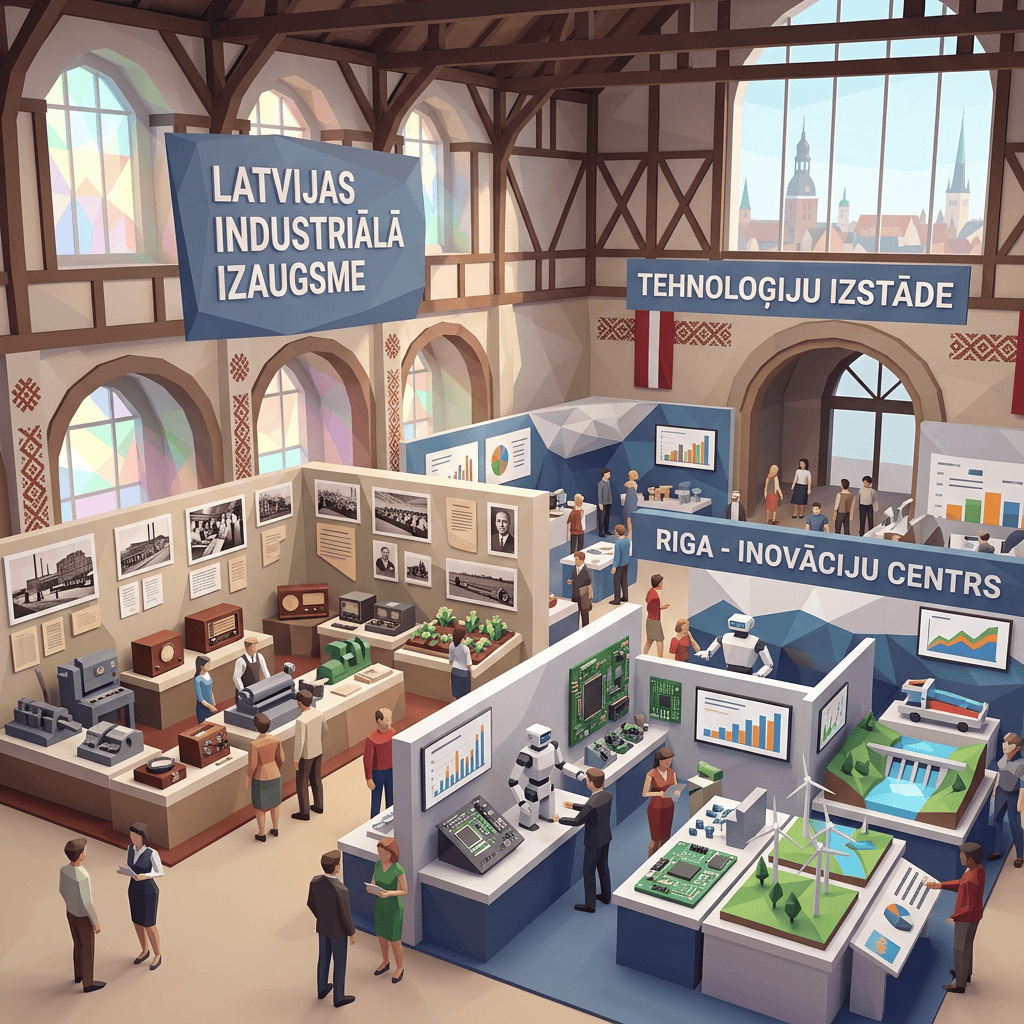
On April 9, 1935, Latvijas Kreditbanka was established to manage foreign companies as well as public and cooperative companies. Sometimes Germans and Jews bought foreign companies. A large national organization emerged from several competing organizations. By 1939 there were 38 cities and the new company UAB Virogs produced Ford Virog cars and trucks under a Ford license. VEF Minox makes the VEF JDA-10M and the world’s quietest camera, the VEF I-12. In 1936-1939, the Swedish company “Kikmo” built the largest power plant near the Baltic Sea, with a capacity of 70,000 kilowatts. . / Look at you
In September 1936, the West abandoned the gold standard. Latvia also adopted British standards. Low prices support exports to Latvia. In 1939, Latvia was more dependent on agriculture than Finland or Austria.
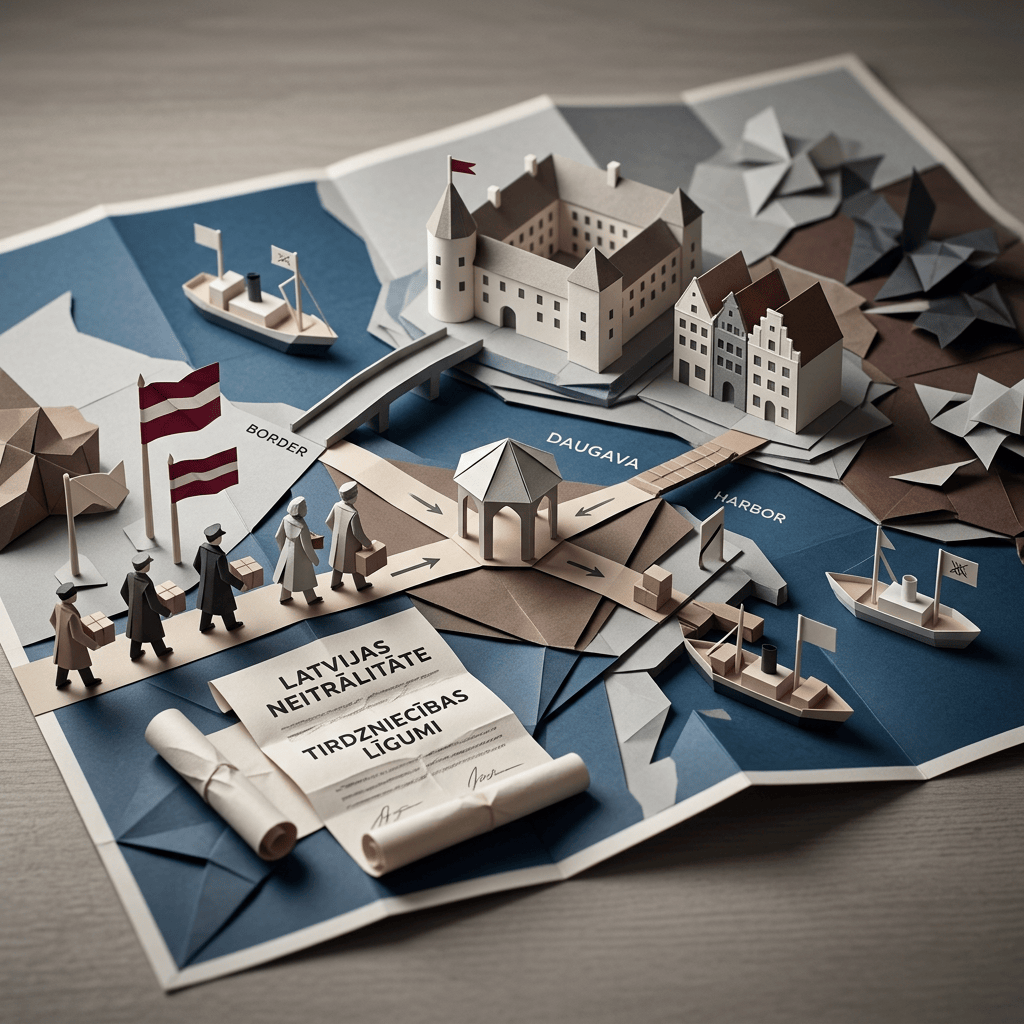
After World War II, Latvia declared neutrality. But Germany occupied the Baltic coast. And on September 3, 1939, the British market was completely divided, he announced a hunger strike. Despite the political problems of 1939, the aid agreement signed between the Soviet Union and Latvia on October 5 opened new opportunities for internal and external trade. On October 18, 1939, a new trade agreement was signed with the Soviet Union on the export of food products. It produces oil and medicine, on December 15, 1939, a trade agreement was signed with Nazi Germany.
In post-war Poland, Latvian peasants were drawn into a new agrarian system that introduced new labor and student laws in the late 1940s.
In October 1936, he was elected Speaker of the Latvian National Assembly for three years. In 1935, in honor of the 50th anniversary of the founding of the Soviet Union, the embassy in Washington was reopened and became the center of diplomatic relations with Latvia.
According to the Munich Agreement Latvia declared independence on December 13, 1938, and the Soviet Union defended Latvia’s independence on March 28, 1939. A non-aggression pact was signed on July 7, 1938. 1939
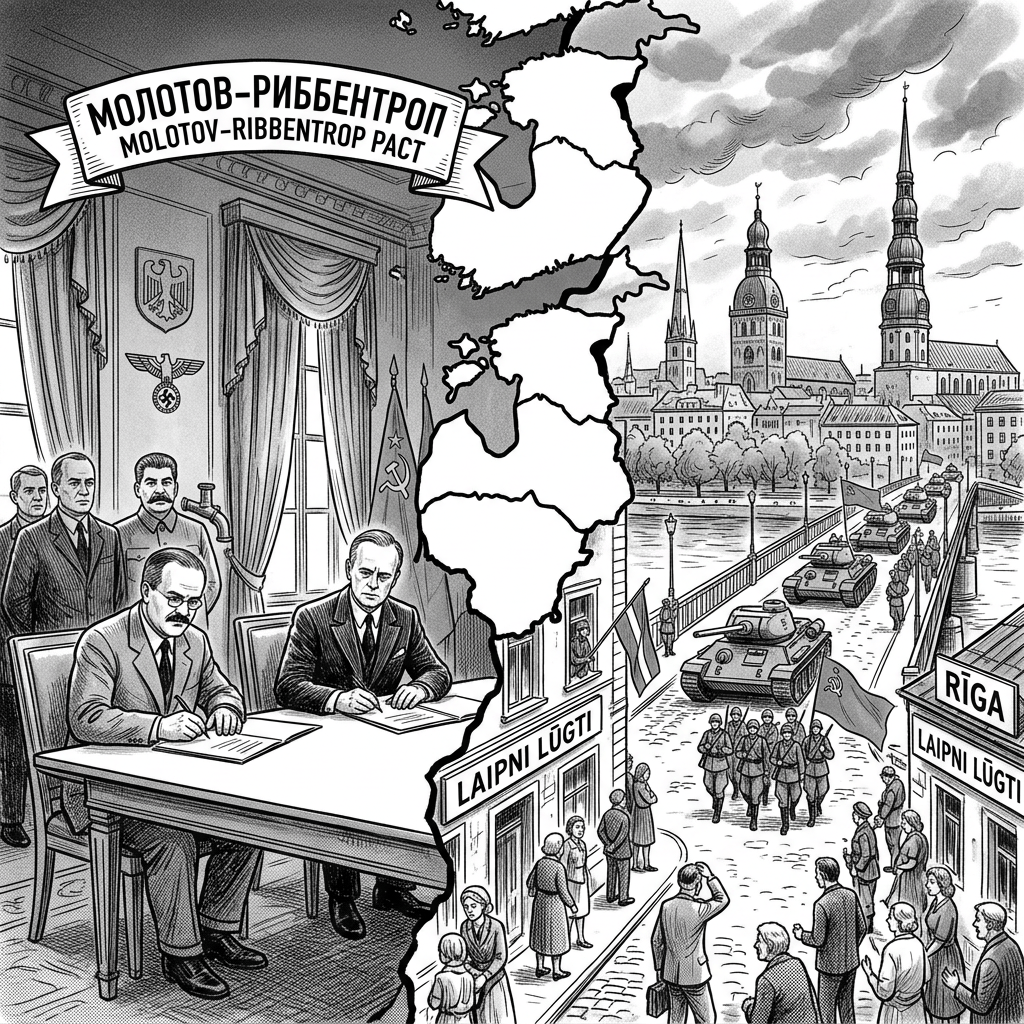
On August 23, 1939, the Soviet Union and Nazi Germany signed the Molotov-Ribbentrop Pact and Latvia (along with Estonia and Lithuania) signed the Molotov-Ribbentrop Pact on witchcraft, and relations between Latvia and the Soviet Union they authorized 25,000 Soviet troops to enter Latvian territory. Germans were expelled from the Soviet Union during the Nazi regime. He returned to Latvia on October 30, 1939 and lived there for one hundred years.
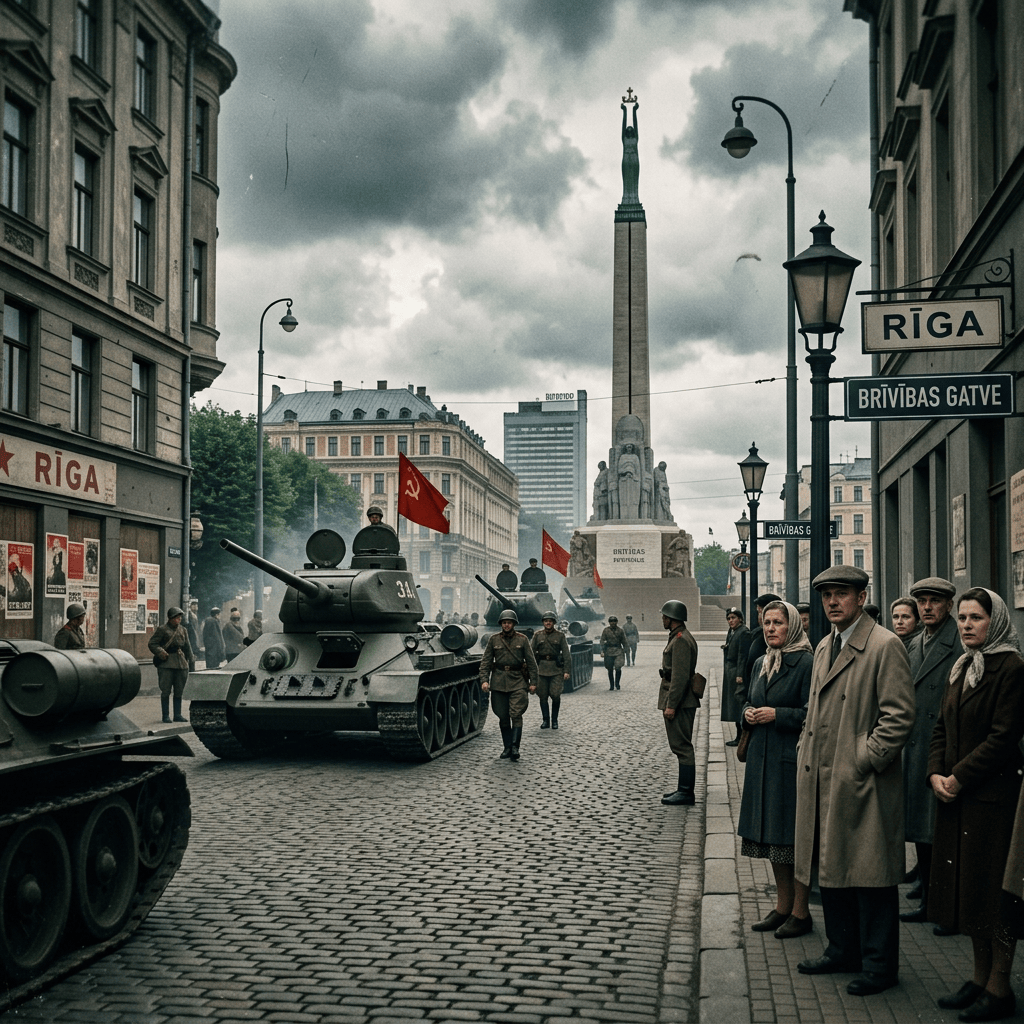
Seven months later, Minister Vacheslav Molotov invaded the Baltic states of the Soviet Union. When the Red Army reached Lithuania 24 hours later, it sent troops to its eastern border. Soviet troops entered western Latvia. The government accepted the request on June 17, but the army refused. This is the Soviet Union – July 14-15, 1940. Election results were announced 12 hours before polls closed in Moscow. Evidence of election results can be found in Soviet documents. The Soviet government wanted to intervene. On August 5, 1940, the Soviet Union invaded Latvia. Latvia’s ambassador was also dismissed after the change of government in Latvia. This country was ruled by the Soviet Union.
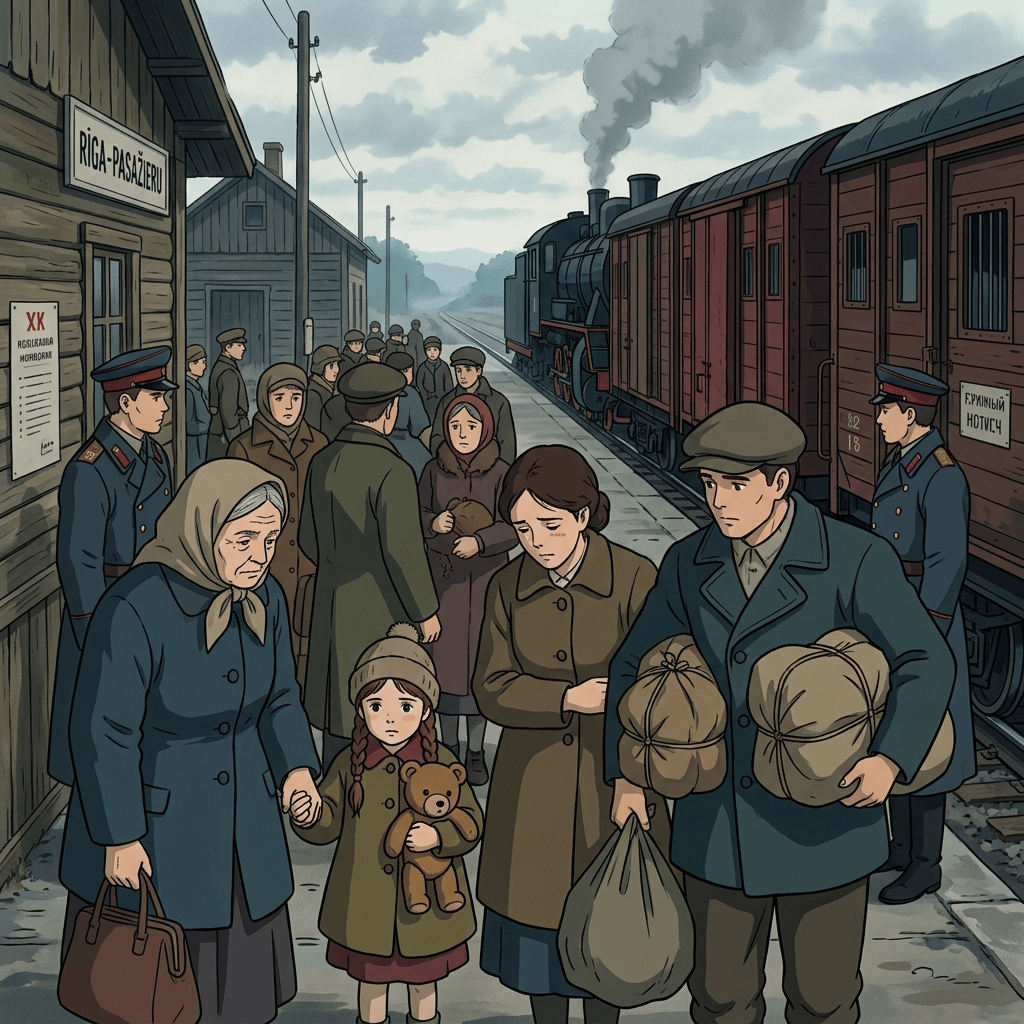
From 1941 to the early 1990s, there was a massive migration of Soviet workers from the Baltic states to the Soviet Union. The head of the internal security department of the USSR, General Ivan Servos, signed the order “Liberation of Lithuania, Latvia and Estonia from Russian occupation”. On the night of June 13, 1941, 15,424 people were deported to Siberian cities, including 1,771 Jews, 742 Russians and others. In the first year of Soviet rule, 35,000 people were deported. People (from the Baltic States – 131,500).
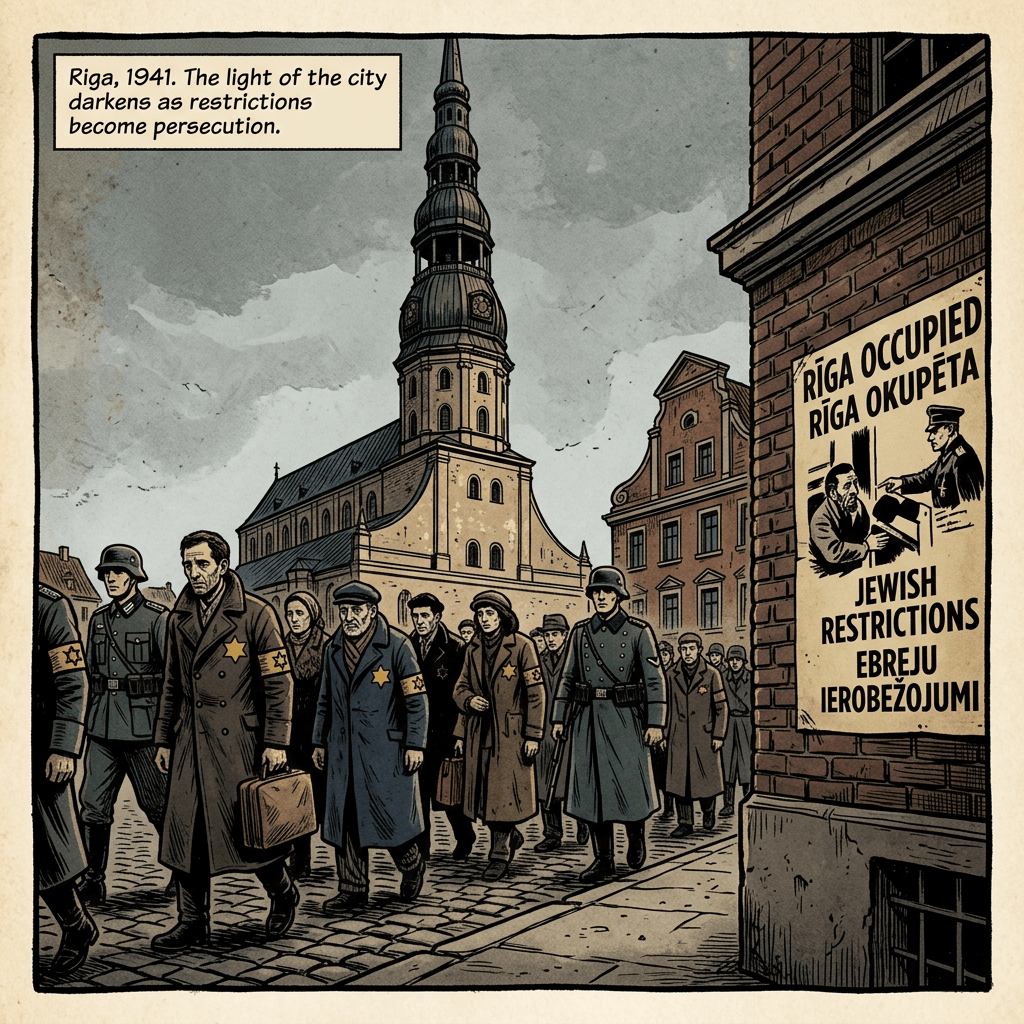
The Nazi invasion began this week. On July 1, 1941, the fascists captured Riga. When they arrived, the German government took the Jews with them. Many people died on the Ramblas. 5500 Einsatzgruppe A, Wehrmacht and ships (Libya) destroy the Lithuanian army. the famous massacre of Algeria (26,000 Jews killed) and 2,000 Lithuanian students; By the end of 1941, an estimated 25,000 Jews had been killed, and an estimated 20,000 murdered, almost all of them killed or imprisoned in concentration camps. He died in the Latvian massacre.
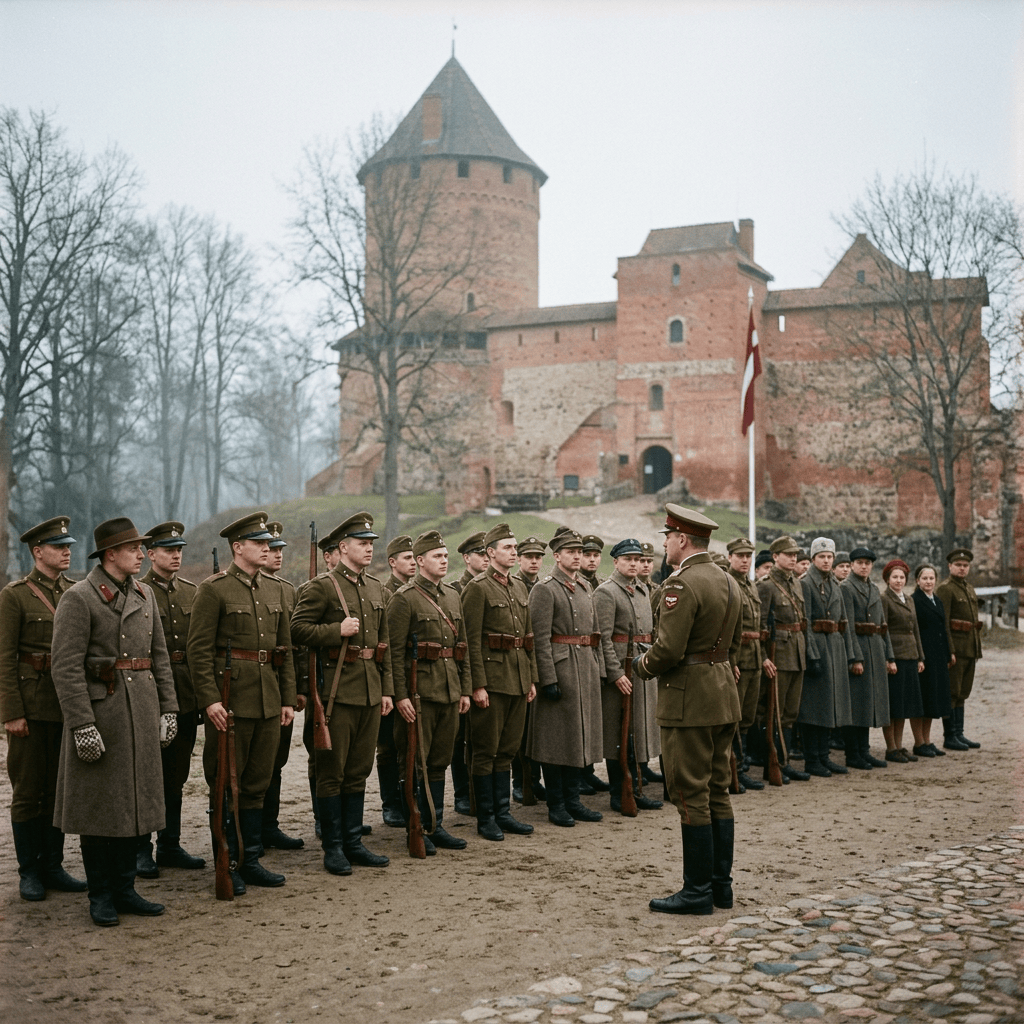
Many Latvians refused to accept the Germans. The opposition split into independent groups, including the Soviet-backed Supreme Leader of Latvia and the Moscow-based Latvian Radical Party. Art Spratt is a Latvian military captain. After the war, the Nazis wanted to protect the Baltic states. In 1943 and 1944, Latvian soldiers and volunteers formed two SS divisions to help fight the German Red Army.
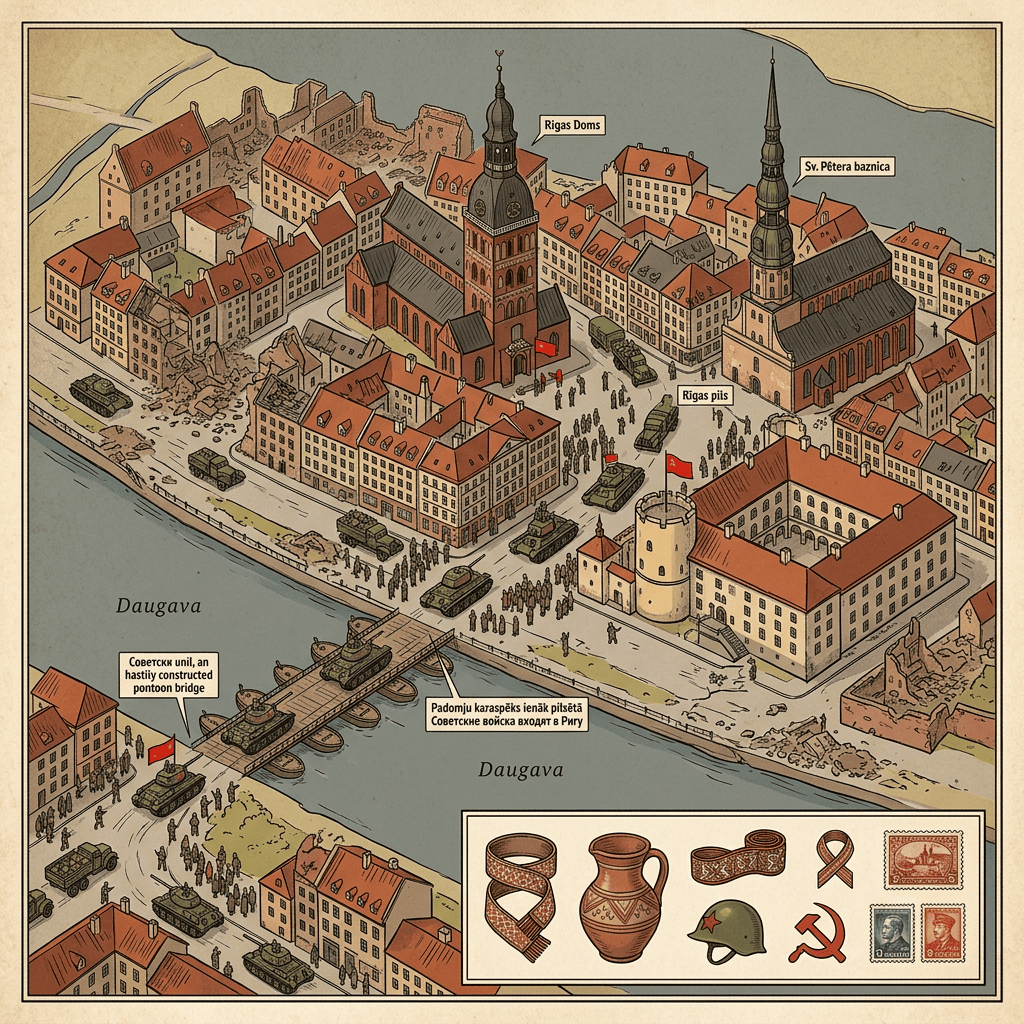
In 1944, a major battle took place in Latvia between the German army and the Soviet army. And in the end, Germany won. Soviet troops also reached the area. The Red Army captured Riga on October 13, 1944, and the Kurds on May 9, 1945. The Soviet Union was still the most powerful party in the Soviet Union.
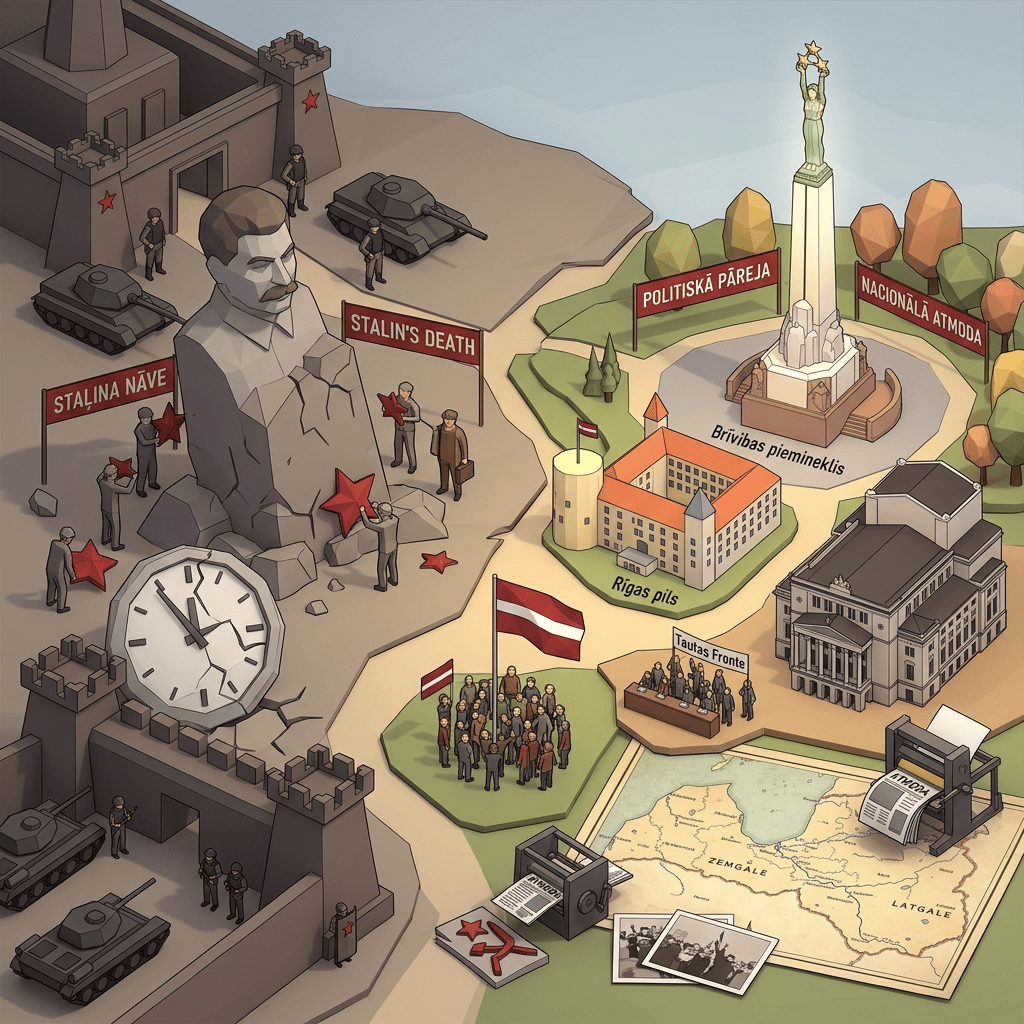
On March 5, 1953, Joseph Stalin died and Nikita Khrushchev ascended the throne. However, although the “Khrushev” era had begun, the struggle for independence of the National Communist Party under the leadership of Eduard Bellevue in 1959 still prevented the disappearance of Khrushchev’s Lithuanians. Publisher: Kinder Berglovic. To Russia
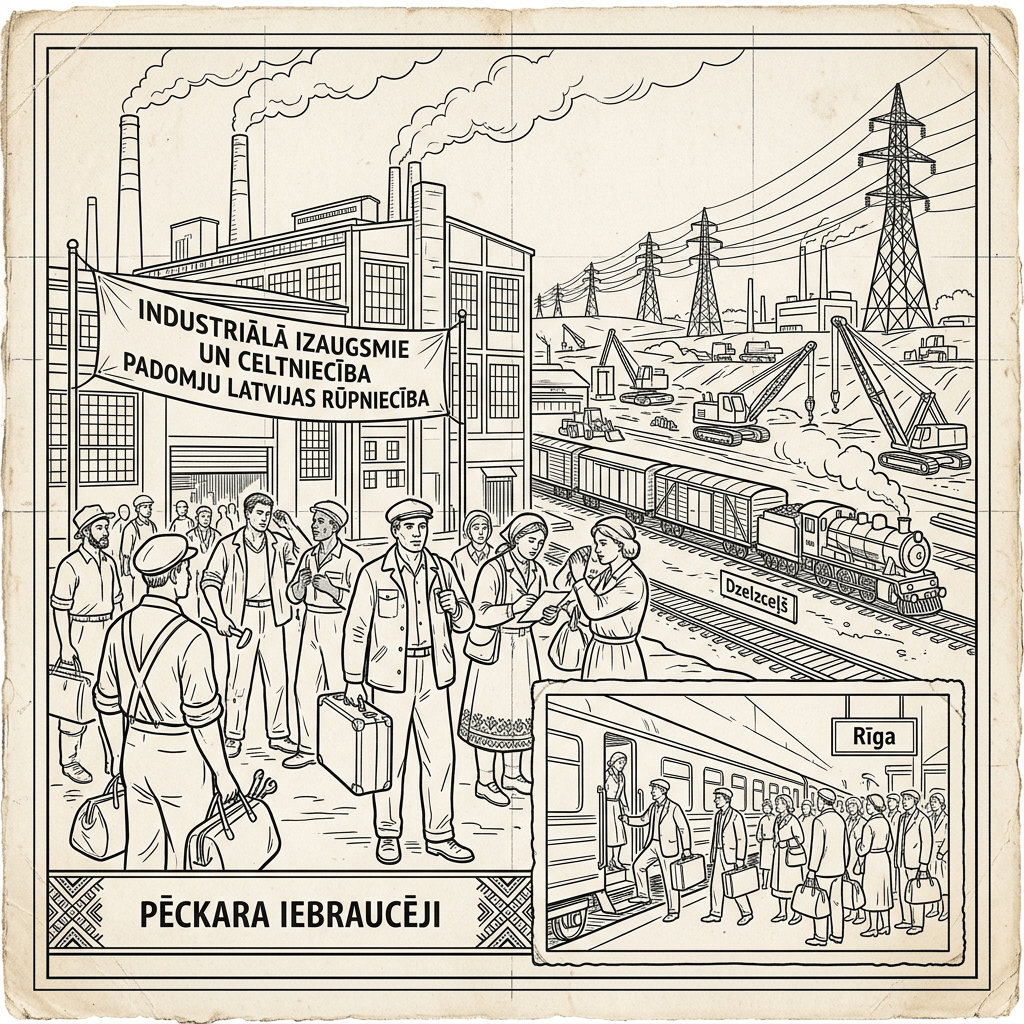
Moscow believed that the Soviet army could enter Latvia because it had machines and equipment. We are opening a new store in Latvia. Firefighters from the Royal Air Force in Elgavan, fireworks and fireworks in Riga, pharmaceutical company Valmir, music in Daugavpils, oil and gas. Let’s start a company. Many people from other countries of the Soviet Union immigrated to Latvia to improve economic activities, which quickly reduced the population of Latvia.
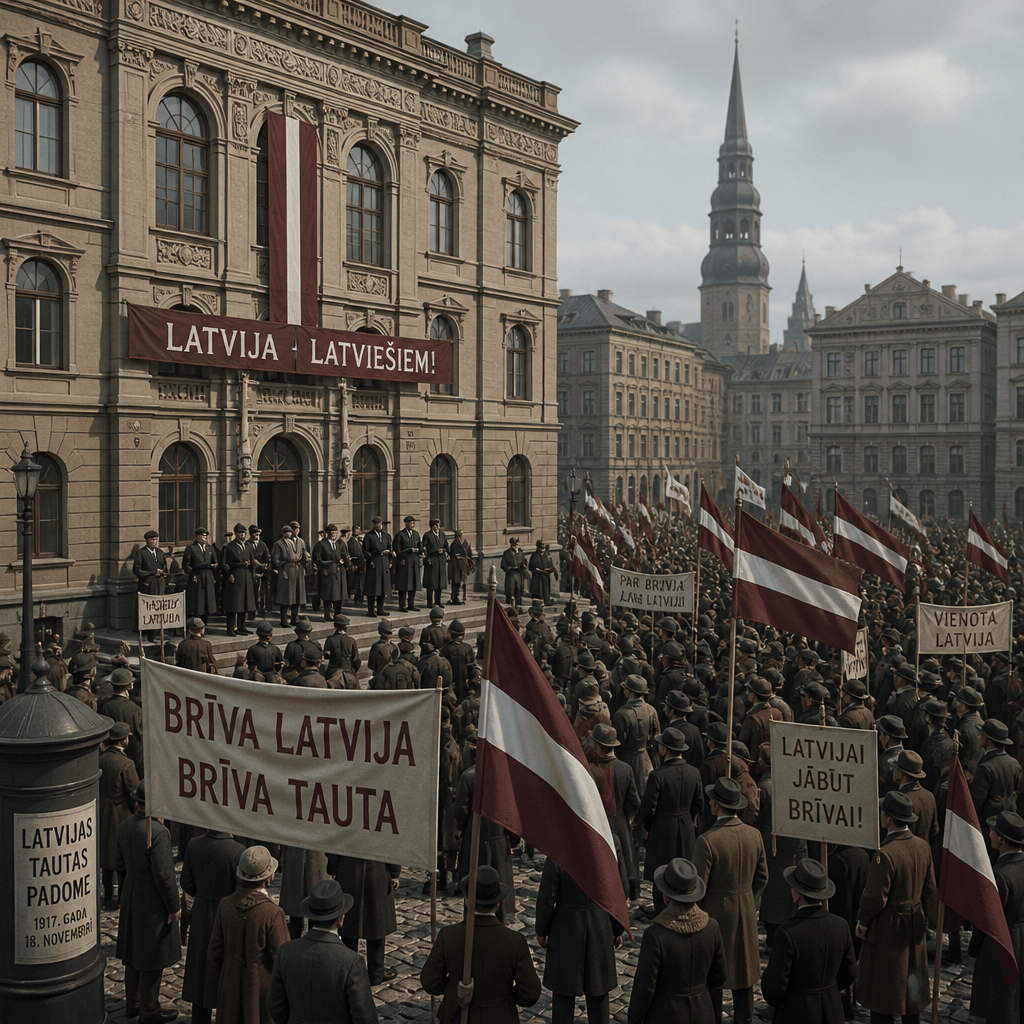
After the restoration of Mikhail Gorbachev in the mid-1980s, the Soviet Union began to move away from communism. On this occasion, several political organizations were formed in Latvia. They are the National Party of Latvia, the Latvian Independence Movement (lat. Nasros necreas kastiva) and the Vilnius Parliament. These groups started the national freedom struggle.
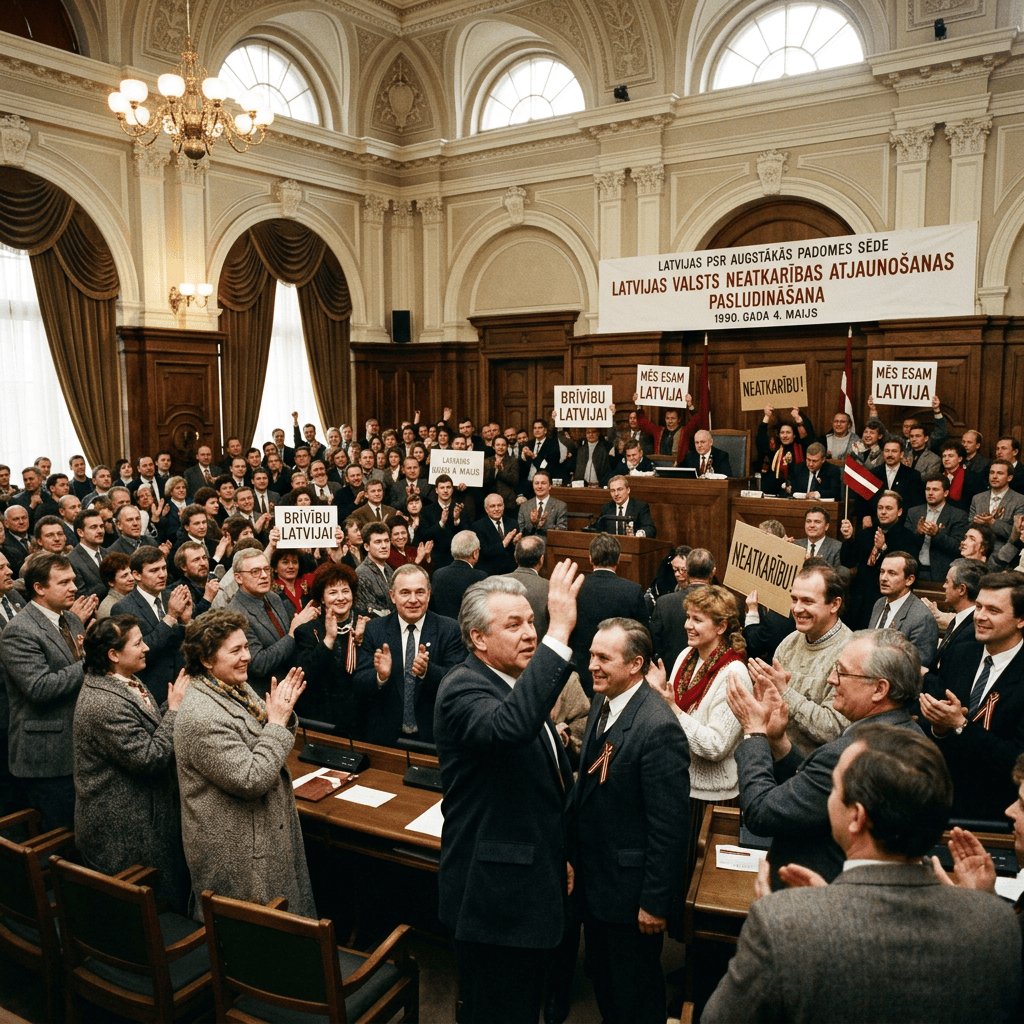
The Supreme Court of the Socialist Republic of Latvia gained independence on May 4, 1990. The first elections after 1930 ushered in an era of freedom, unity and reform where the people owned the land. Not the people, but the society – the people, the people But in January 1991, a political party attempted to seize Soviet power by force. The success of the Latvian revolution again hampered the Soviet army (Latvia, after Moscow’s victory on January 21, 1991, the parliament decided to restore Latvia’s independence on September 6, 1991.
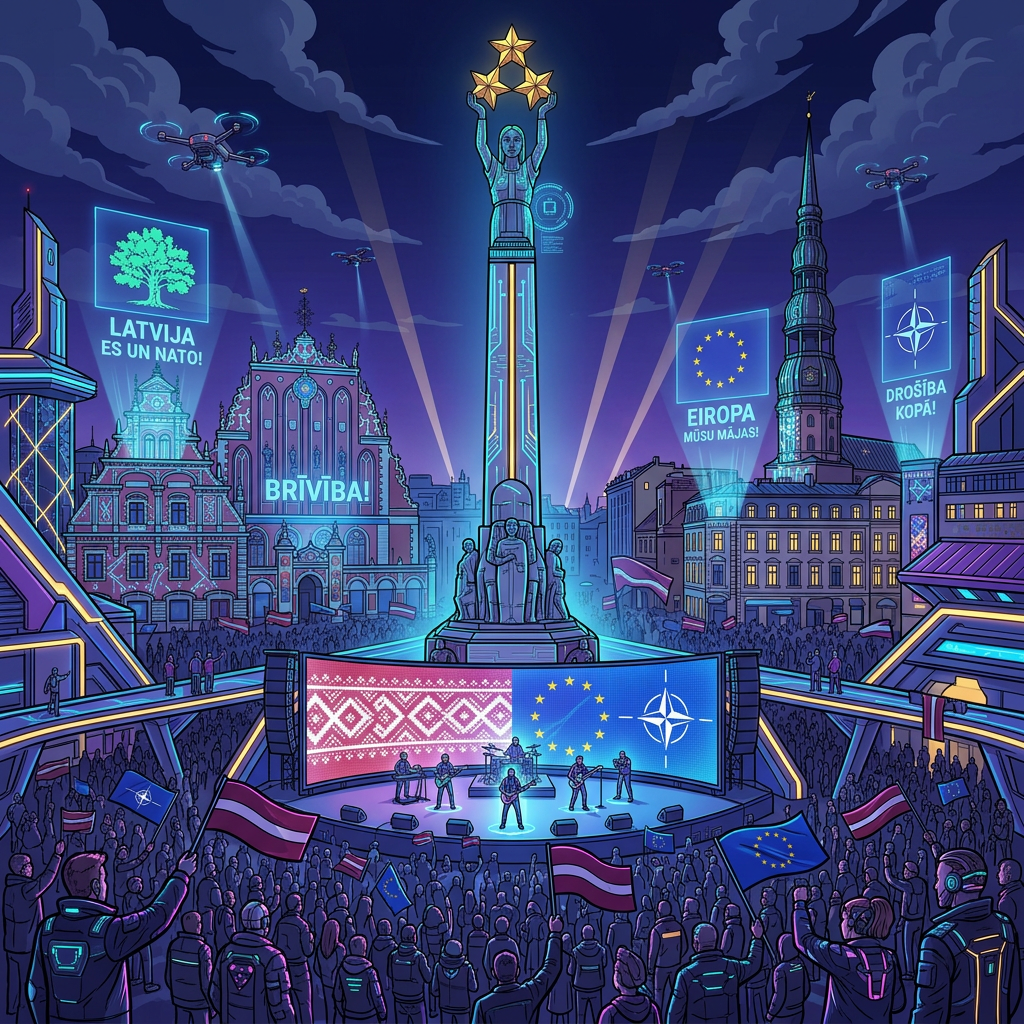
In late 2016, representatives of the European Union asked Latvia to open negotiations to join the EU in Helsinki in 1999. Latvia became a member of the EU and NATO in 2004 and became a member of NATO on January 2. In May 1, Latvia became a member of the European Union. Member of the European Union and the Baltic States. In September 2003, 67% of Latvians voted to join the European Union, and in 2003, 72.5% of Latvians signed the Schengen Agreement. Validity: April 16, 2007 December 21, 2013 best in the market. . Riga was the hardest hit area in Latvia, where 54 people died. In June 2023, the government appointed Edgars Ranković as the new president of Latvia and the first leader of an independent Baltic state.


Leave a Reply